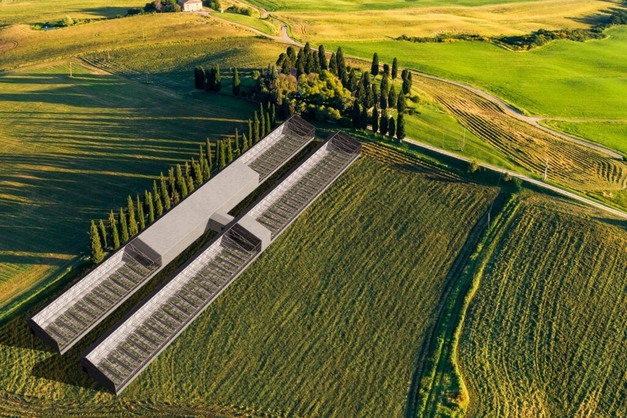
Schematic design is the first formal planning stage for a controlled environment agriculture (CEA) facility, bridging the gap between a grower's vision and the technical blueprints that contractors and engineers actually build from. At this stage, the project is still conceptual yet far from vague, typically producing a site plan showing the building footprint and orientation, conceptual floor plans with growing zones and mechanical rooms, preliminary environmental specifications, early energy modeling, and renderings suitable for permits or investor presentations.
This is the phase where major decisions get made: how the building is laid out, which growing systems will be used, how air and water move through the space, and how people and plants flow from one stage of production to the next.
Why schematic design matters for commercial greenhouse operations
One of the most valuable things schematic design does is surface problems before they become expensive. In CEA, design errors discovered during construction can cost tens of thousands of dollars to correct. Structural conflicts, undersized mechanical systems, poor drainage planning, or inadequate ceiling heights are all issues that are cheap to fix on paper and costly to fix in the field. A thorough schematic design phase forces these questions to the surface early, when changes are still straightforward to make.
 © Ceres Greenhouse Solutions
There's also a common mistake in greenhouse planning worth naming directly: designing the building first, then trying to fit the growing systems inside it. This often results in awkward layouts, inefficient workflows, or equipment that doesn't quite fit the space as intended. Schematic design flips this sequence. By defining production goals, crop types, harvest volumes, and workflow requirements upfront, the building can be designed around the operation rather than the other way around. A facility using a moving gutter system, for example, has specific requirements around aisle spacing, drainage slope, ceiling height, and conveyor access — dimensions that must be resolved before a single structural element is specified.
Beyond layout, schematic design delivers financial clarity. By defining the facility's systems and utility requirements at this stage, growers can develop far more accurate capital cost estimates, projected operating costs, expected production outputs, and ROI timelines. These numbers are essential for business planning, loan applications, and investor conversations, and a schematic design package gives them a credible foundation.
Regulatory approvals are another area where this phase pays off. Commercial greenhouse and indoor farm projects often require conditional use permits, cultivation licenses, or zoning variances, and planning departments want to see that a project is well-conceived and technically sound. A professional schematic design package with site plans, floor plan drawings, and system documentation demonstrates exactly that level of preparation.
What the schematic design process typically looks like
While every project is different, schematic design for a commercial greenhouse or indoor farm generally follows a similar sequence. It begins with information gathering — collecting site data such as climate zone, lot size, soil conditions, and utility availability, alongside production parameters like crop type, target yield, desired workflow, and staffing model. This information shapes every downstream decision.
From there, designers establish the building footprint, orientation, bay width, and eave height, mapping growing zones alongside support spaces including headhouses, germination rooms, pack-out areas, storage, and mechanical rooms. Once the layout is set, growing systems are mapped into the space — hydroponic benches, flood tables, moving gutters, vertical racks — which is where the integration between structure and equipment gets resolved. Each zone then receives defined environmental targets: temperature ranges, humidity set points, ventilation rates, CO₂ levels, and lighting intensity, with preliminary HVAC and lighting loads calculated accordingly.
Early energy models estimate electrical demand, fuel use, and water consumption, feeding into operating cost projections and utility infrastructure planning. All of this comes together in a documentation package — drawings, renderings, system layouts, environmental specs, and cost estimates — ready for permit submittals, investor review, or handoff to the engineering team.
Integrating growing systems during schematic design
The growing system is central to how a greenhouse or indoor farm operates, and its requirements should inform the building design from the start rather than be adapted to fit it afterward. Several considerations come into play here. The headhouse and production floor need to connect logically, with space for seed starting, germination, transplanting, and harvest flowing naturally into the production area. Bench rows, gutter tracks, or rack systems need to fit the crop type, production volume, and movement patterns of the facility. Drainage and irrigation connection points should be planned around the system's specific requirements from the outset. Ceiling height must account for automation equipment, lighting fixtures, and overhead infrastructure — dimensions that have to be set at the structural design stage. And workflow mapping, understanding how plants, workers, and equipment move through the space, helps identify bottlenecks before they're built in.
When growers, facility designers, and equipment suppliers collaborate during schematic design, the result is a facility where structure and systems are genuinely aligned, translating to smoother operations and fewer surprises after opening day.
Common questions from growers about schematic design
Whether a smaller greenhouse expansion needs a schematic design depends on project complexity. For simple additions, a full process may not be necessary, but for projects involving new growing systems, significant mechanical work, or permitting requirements, some level of formal schematic planning is worth the investment. Most commercial greenhouse schematic designs take four to ten weeks, with more complex projects involving multiple growing zones or regulatory requirements running longer. Fees vary by firm and scope, typically structured as a percentage of total project cost or a fixed fee based on complexity — generally a small figure relative to the construction budget, and well justified by the problems it prevents.
Growers sometimes ask whether they can skip schematic design and go straight to engineering. Technically yes, but it carries real risk. Without this phase, projects frequently encounter coordination problems, scope gaps, and expensive change orders during construction. Schematic design exists specifically to prevent those issues.
Key takeaways
Schematic design transforms a grower's production goals into a documented, buildable concept. It aligns building layout with growing systems, surfaces integration challenges early, supports financial planning, and prepares a project for permitting and stakeholder review. For commercial greenhouse, research greenhouse, and indoor farm projects, investing in a thorough schematic design process is one of the most cost-effective decisions a grower can make before breaking ground.
For more information:
Ceres Greenhouse Solutions
[email protected]
www.ceresgs.com