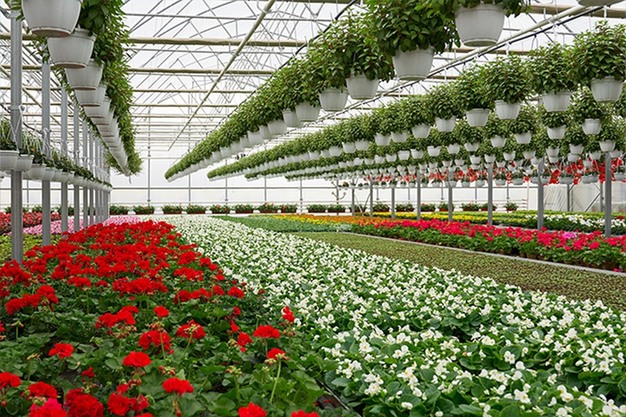
Production uniformity in greenhouse and nursery systems is often attributed to substrate performance rather than to environmental control alone. Physical consistency in growing media affects water retention curves, aeration, and root-zone stability, thereby shaping predictable crop outcomes. As Alexandre Lambert of Lambert Peat Moss emphasises, "consistent crop performance starts with a reliable foundation."
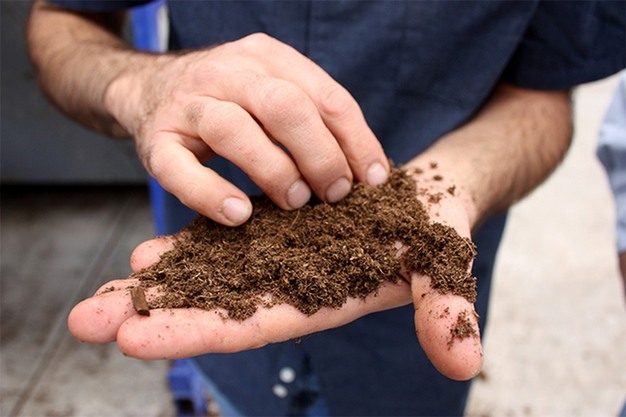
Lambert Peat Moss continues to focus on peat-based growing media designed to deliver consistent and predictable performance, supported by control over raw materials and processing. "This approach helps ensure uniform quality from load to load, enabling growers to standardise irrigation strategies, improve crop uniformity and reduce operational variability."
 © Lambert Peat Moss
Supply reliability
Alongside consistency, supply reliability remains a key factor in production planning. "Delays and inconsistencies in supply can disrupt production schedules and create unnecessary challenges," he notes, adding that dependable availability allows growers to plan with confidence.
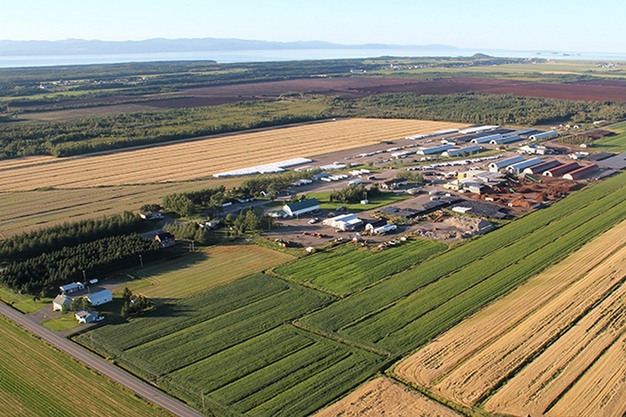
To support this, sourcing strategies include multiple peat bog locations, reducing exposure to regional weather variability. This approach provides flexibility in maintaining supply volumes and ensures continuity for growers operating across different markets.
Wood fibre development
Product development is evolving in response to changing industry requirements, particularly through the integration of wood fibre into peat-based substrates. Alexandre highlights the development of a proprietary material derived from wood found within peat bogs, designed as an alternative to perlite. He adds that the project has been refined over several years.
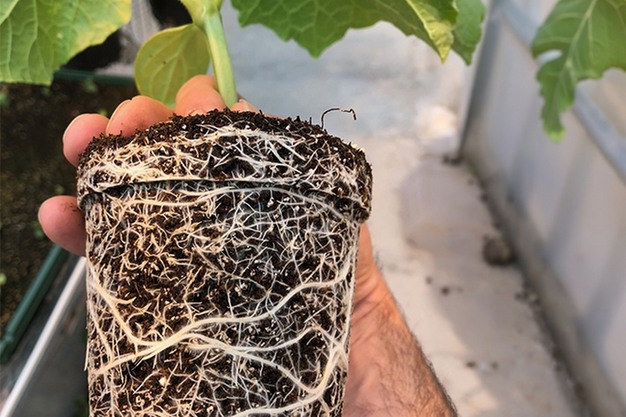
A defining characteristic of this material is its long-term stability. "That wood doesn't decompose like regular bark. It brings stability for large container production," especially for long-cycle crops where maintaining structure is essential. Reduced decomposition limits shrinkage in the container, helping maintain consistent root zone conditions.
 © Lambert Peat Moss
Adapting to different crop systems
Ongoing development has resulted in multiple grades of wood fibre suited to different applications. Coarser fractions are used in larger containers, while finer fibres are tailored for smaller pots and propagation systems. This reflects increasing demand for adaptable substrate formulations.
"It's a trend to not only have 100% peat moss, but to develop blended media that combine components to achieve specific physical and hydraulic properties."
Performance characteristics
From a technical standpoint, wood fibre contributes to improved air space and structural integrity. "The material gives you more airspace and a better structure, while maintaining stability over time compared with traditional bark components," he says. Its ability to be compressed also offers advantages in transport and handling efficiency.
At the same time, peat remains central to substrate performance. "Nothing is better quality than peat moss because of the physical characteristics," he states, and mentions the importance of producing it sustainably.
 © Lambert Peat Moss
Sustainability and resource use
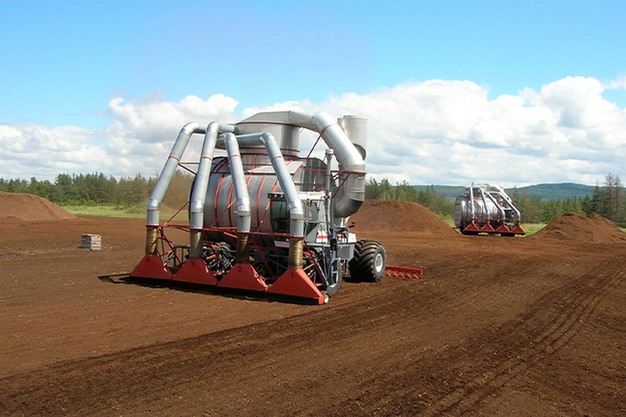
Sustainability considerations are increasingly influencing substrate development. The wood fibre used in these blends is sourced internally from peat harvesting operations. "It's totally sustainable as we use everything that we are harvesting, and it can be reused."
 © Lambert Peat Moss
Demand for growing media is expected to remain stable, supported by the ongoing need for food and ornamental crop production. "We're a company who supply growers around the world and that demand is never going to go down because everyone needs to grow plants for food."
Rather than geopolitical factors, Alexandre points to weather as the primary variable influencing supply. He notes that regional production gaps are often balanced through international sourcing between Europe and North America.
 © Lambert Peat Moss
This is supported by a multi-site harvesting strategy designed to maintain continuity. As the company explains, sourcing from different peat bog locations allows supply to shift when conditions are unfavourable in one region, ensuring growers can continue to access material when needed.
For the company, both performance and efficiency remain central to substrate development. He emphasises the practical impact at grower level: "When you have a good product that is specific for a plant, in the end, you have less labour, less fertiliser, and fewer products to protect the plant."
For more information:
Lambert Peat Moss
Alexandre Lambert
[email protected]
https://lambertpeatmoss.com