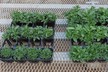
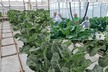
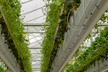
The National Agri-Food Health and Quality Service (SENASA) is implementing a phytosanitary control program at strawberry seedling propagation establishments following the entry of propagation material from the United States and Spain to safeguard Argentina's phytosanitary heritage.
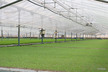
In Plottier, Neuquén, as in other regions of the country where imported strawberry seedlings are sent, sanitary agents from SENASA's Northern Patagonia Regional Center oversee the post-entry quarantine process to ensure that no pests enter the national territory.
 © SENASA
The process starts with border control, where materials are sampled and stored in quarantine warehouses until laboratory analysis is finished. After obtaining the results, the seedlings are planted in November at designated "quarantine sites".
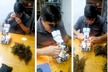
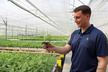
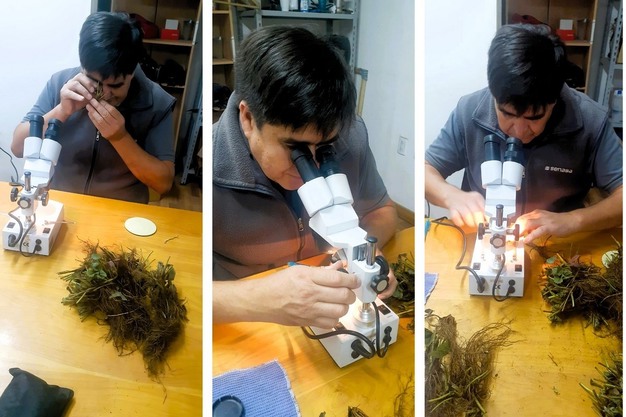
There, Plant Protection professionals carry out regular documented inspections over five months to monitor the phytosanitary condition of mother plant runners, emphasizing early detection of quarantine pests.
Starting in March, a final sampling of the plant material is performed, and quarantine is only lifted if the laboratory results are favorable, ensuring that the propagated material is healthy.
SENASA ensures Argentina's phytosanitary heritage is protected by conducting post-entry quarantine procedures, which involve checking the health status of lots with imported plant material.
For more information:
SENASA
www.argentina.gob.ar