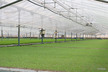
Semilleros El Plantel reaches its 30th anniversary at a moment when accumulated experience sits alongside a new transformation plan. What began as a family project linked to horticulture has grown into a large scale nursery business producing more than 200 million plants, employing more than 400 people and operating seven centres across strategic areas of Almería, making it the largest nursery in surface area and the second by turnover in the province.
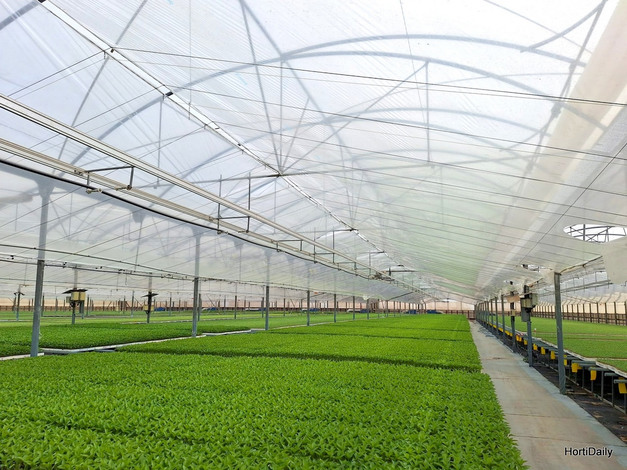
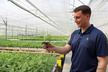
"Now in May it will be 30 years since, on the 6th in 1996, we opened to the public," recalls Manuel Escudero, known across the sector simply as Manolo. "We were two brothers who had worked in vegetable production and, to diversify a little, we decided to start a different business based on producing young plants for agriculture." That first step was taken in La Mojonera, at a very small site that began with barely half a hectare. It then grew progressively, first to one hectare, then through new land purchases, until becoming one of the pillars of a business that now totals around 25 hectares of production.
From the beginning, the aim was to move away from what was common in the sector at the time. "We wanted to do something different from what was being done then," says Escudero. At a time when nursery technology was still limited, El Plantel chose to introduce different greenhouse structures, more advanced irrigation systems and a far more technical way of working. What may now seem logical in a highly professionalised sector was, at the time, a clear decision to move ahead of where the market was going.
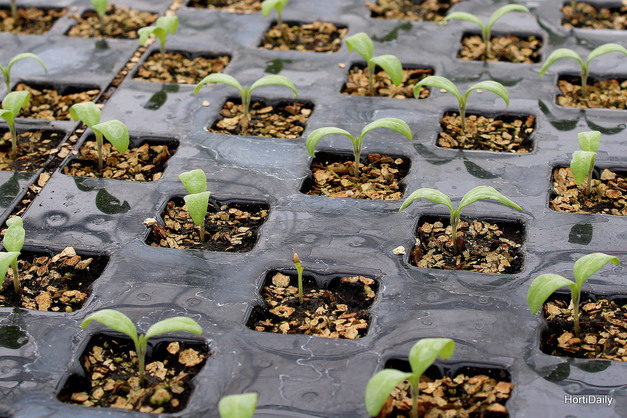
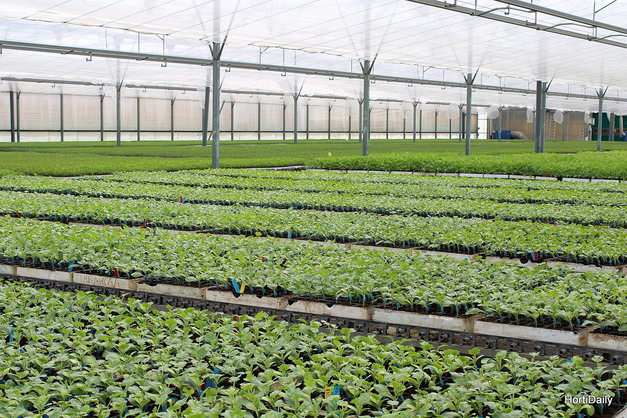
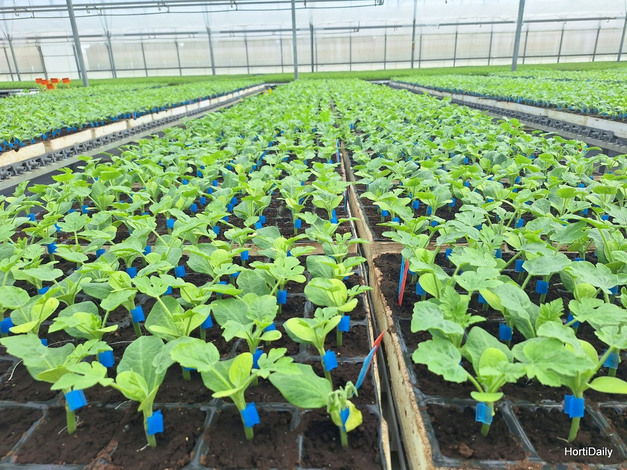
Over the years, that early instinct delivered results and allowed the company to open seven production centres. But the operating context has changed sharply. Escudero describes a market where margins have tightened and home delivery has gained significant ground over growers collecting plants directly from nurseries. Under that new dynamic, service depends less on geographical proximity and more on the ability to deliver quality plants on time and at a competitive price.
"That is why the new strategy is to concentrate production in three large centres, La Mojonera, El Ejido and Níjar, and leave behind the smaller centres, reducing structural costs and simplifying management."
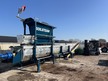
That shift is visible in transport. "Ten years ago we had 5 delivery trucks. Today we already have 17, and we will need to keep buying more," he explains. The plant no longer waits for the grower at the nursery. The nursery now has to reach the farm, which requires a far stronger organisation in transport and distribution.
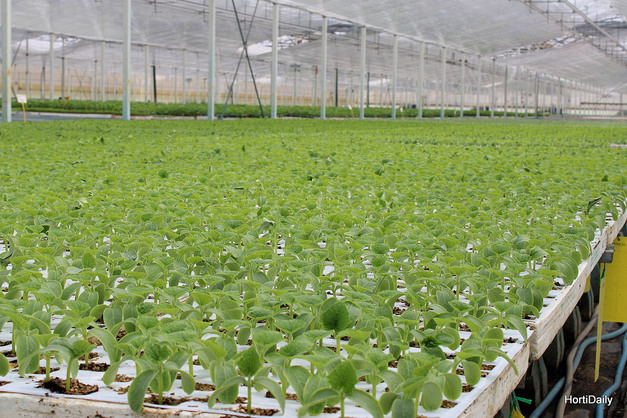
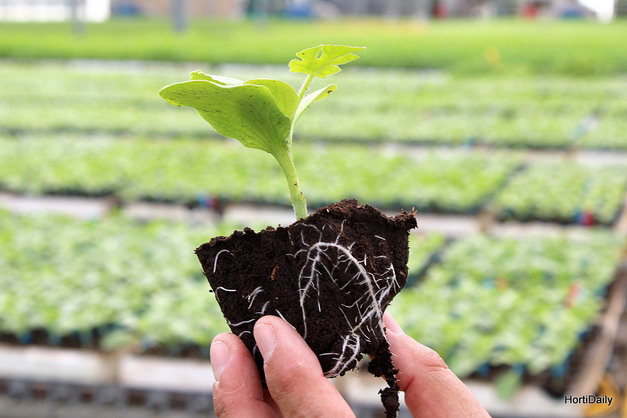
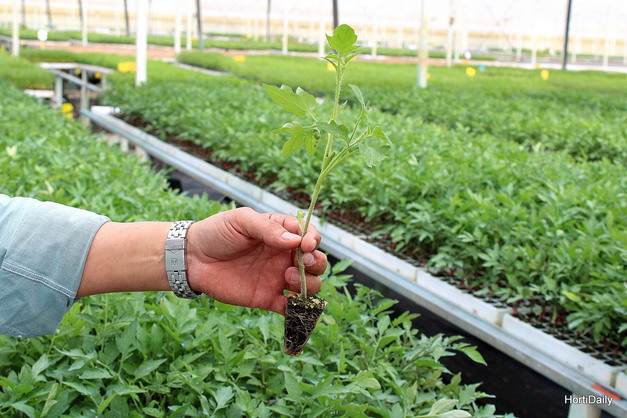
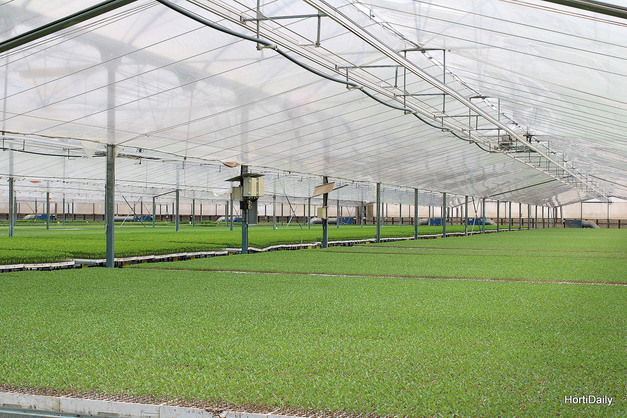
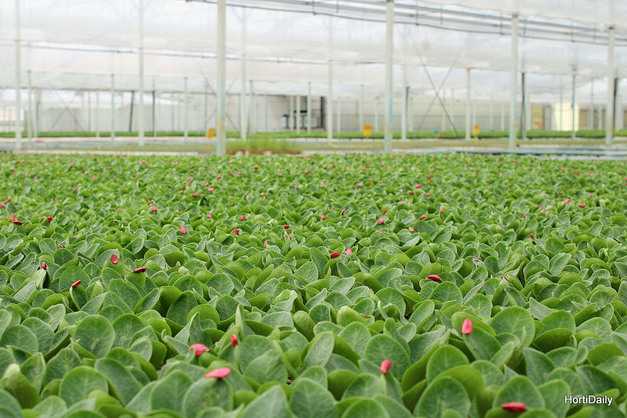
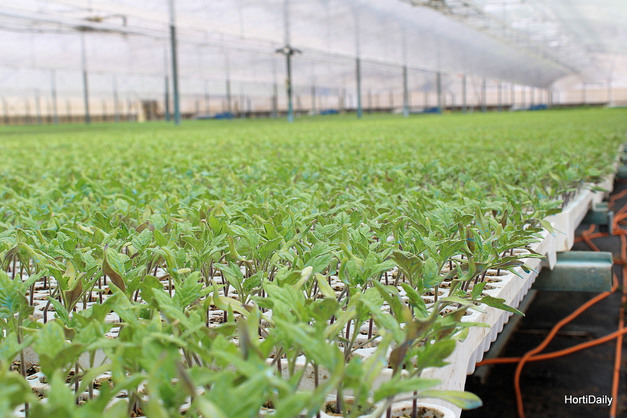
All of this rests on an activity that may look mechanised and repetitive from the outside, but still depends heavily on technical knowledge and human labour. "We have more than 400 employees in the company," says Escudero. That is no small figure in a business where every stage matters, from sowing to germination, from grafting to take rate and final acclimatisation. A visit to El Plantel's Níjar headquarters underlines the complexity of the modern nursery, where every decision on irrigation, temperature, humidity, ventilation or plant health can directly affect millions of plants.
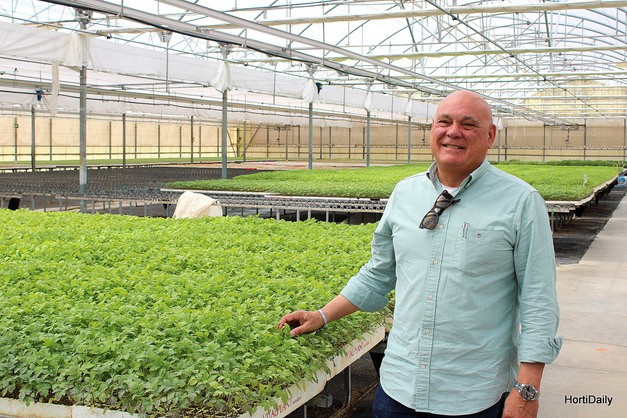
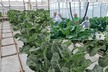
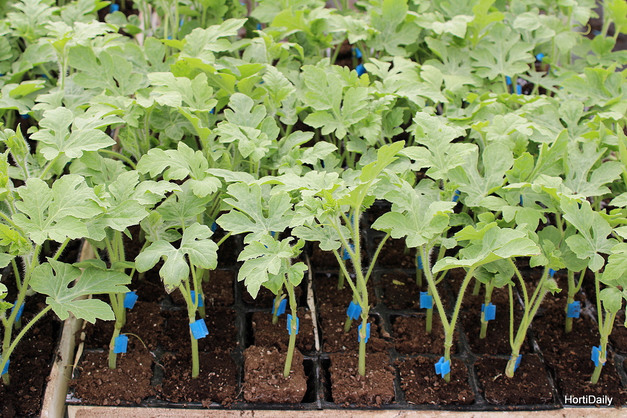
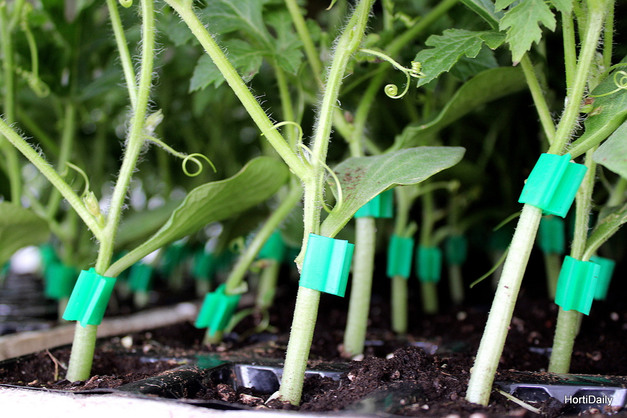
In crop terms, tomato remains one of the main pillars, although its relative weight in Almería is no longer what it once was. "Tomato area is not increasing. Quite the opposite, because of labour problems, the trend is downward," says Escudero. Meanwhile, other crops continue to gain ground, particularly watermelon, where grafting has taken on a central role. "Practically 100% of the watermelon we market is grafted. In total, we are close to 20 million grafted plants, while total non grafted plant volume is around 200 million. And every one of those plants receives the highest level of care to ensure we obtain the best possible quality."
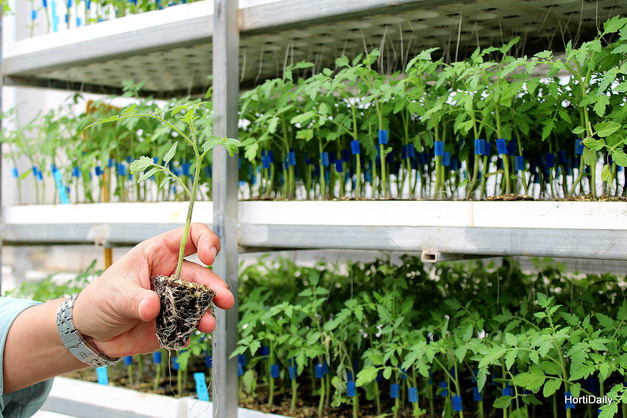
As Escudero points out, plant quality and precision nursery work are now critical parts of farm profitability. "The price of seed has risen to the point where there are varieties that can reach one euro per unit. With grafted plants, you have to add to the seed cost the cost of grafting and the associated labour. That means a bigger investment for the grower, and our job is to make sure that investment delivers the highest possible return."
"We are more prepared than ever to remain a leader"
The knowledge and experience accumulated over three decades have helped the company build a strong position both in Almería and beyond. "In fact, 70% of our production is sold outside Almería," says Escudero, pointing to the company's strength in western Andalusia, especially in grafted watermelon, as well as growth in Portugal. "There," he explains, "business development has been driven in part by the evolution of certain commercial operators and by relationships with growers who were already working with the company in Spain."
El Plantel has already mapped out its next growth model to remain competitive in a far more demanding market than the one it entered two or three decades ago. "The key is no longer being physically close to the grower, but understanding better what that grower needs today and being able to provide it reliably. Plant quality, service, logistics, efficiency and structure. Those are the pillars supporting our company which, 30 years after it was founded, is more prepared than ever to remain a leader in the Spanish nursery sector."
 For more information:
Semilleros El Plantel
[email protected]
www.elplantelsemilleros.com