A plant best known as an ecological problem may offer a new tool for healthier soils and more resilient crops. A study published in Biochar reports that biochar made from Solidago canadensis L., an invasive plant in southern China, can be modified with silicon to suppress bacterial wilt, improve soil quality, and promote beneficial soil microbes.
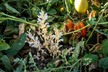
Bacterial wilt, caused by Ralstonia solanacearum, is one of the most destructive soilborne plant diseases worldwide. It affects more than 200 plant species and is especially damaging to crops in the Solanaceae family, including tomato. The pathogen spreads through soil, water, and plant residues, and it can survive in soil for years, making long-term control difficult. Chemical and physical control methods can help in some cases, but they often face environmental, economic, or practical limitations.
To address this challenge, the research team prepared biochar from Solidago canadensis L., also known as Canadian goldenrod. This invasive alien plant spreads rapidly and threatens biodiversity and ecosystem function. Instead of treating the plant only as waste, the researchers converted it into a soil amendment. They produced both unmodified and silicon-modified biochar at three pyrolysis temperatures: 450, 550, and 650 ℃.
"Our study shows that invasive plant biomass can be turned into a useful resource for sustainable agriculture," said corresponding author Kunzheng Cai. "By modifying the biochar with silicon, we were able to improve its disease-suppressive effects and its capacity to support a healthier soil environment."
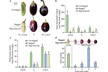
The results showed that silicon-modified biochar performed better than unmodified biochar in reducing tomato bacterial wilt. Among the treatments, silicon-modified biochar produced at 450 ℃ was the most effective. It reduced the abundance of R. solanacearum in soil by 66.0% and lowered the incidence of bacterial wilt by 59.1%.
The silicon-modified biochar also improved several indicators of soil fertility. Compared with unmodified biochar, it increased soil available silicon by 58.2% to 147.8%, raised the soil carbon-to-nitrogen ratio by 85.8% to 105.0%, and enhanced cation exchange capacity by 19.7% to 54.5%. These changes are important because they can improve nutrient retention, support plant growth, and create less favorable conditions for soilborne pathogens.
In addition, the treatment reshaped the soil bacterial community. Silicon-modified biochar increased the abundance of beneficial bacteria, including Bacillus, Streptomyces, Gaiellales, and Gaiella. These groups are often associated with nutrient cycling, plant growth promotion, and disease suppression.
The study suggests that silicon-modified biochar may provide a dual benefit: managing invasive plant residues while supporting more sustainable disease control in agriculture. By turning a problematic plant into a functional soil amendment, this approach could reduce reliance on chemical inputs and help farmers improve soil health.
The researchers note that further studies are needed to evaluate field-scale performance, long-term soil effects, and practical application strategies across different crops and soil types. Still, the findings point to a promising pathway for linking invasive plant management, biochar innovation, and sustainable crop protection.
Source: Eureka Alert