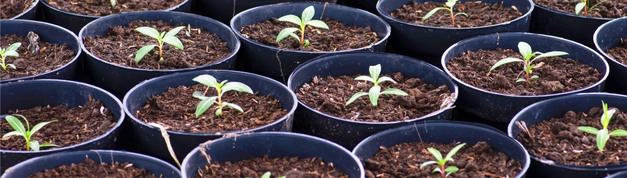
Soilless cultivation continues to gain ground across Europe and Latin America. Every year, more growers choose these systems to optimize resources and increase production efficiency. At the same time, substrates that replace soil are facing a more complex landscape. Peat, still the base ingredient of most mixes, is becoming harder to source due to weather-related production issues.
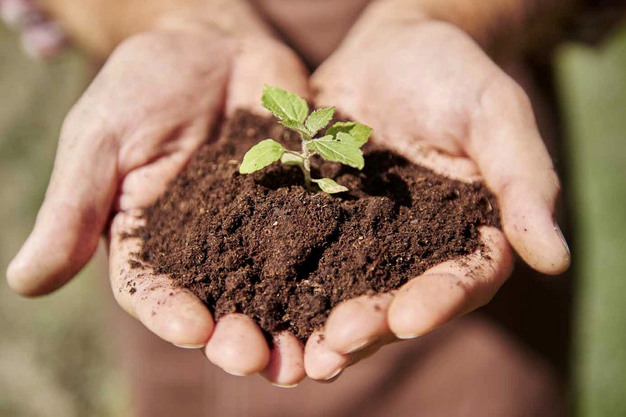 © Valimex
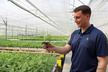
"This context is transforming the market. Companies and growers are being pushed to reformulate their mixes and bring in new raw materials that guarantee both sustainability and profitability," says Elias Ciruelos, Director of the Agro Division at Valimex SL.
"In Europe and Latin America there are many examples; the boom in berries and vegetables under controlled systems is demanding materials such as peat, coconut fiber and perlite."
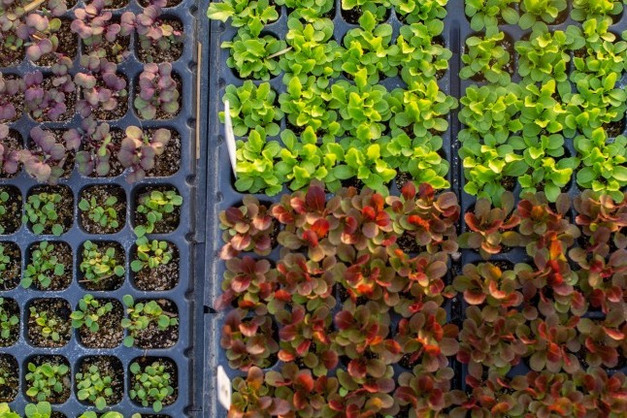 © Valimex
The boom in production area and technology has increased demand for stable, uniform substrates that are available year round. But supply has tightened. This year in Europe, especially in the Baltic region, peat extraction was limited by weather conditions. Many producers chose to prioritize recurring customers, leaving less peat available for a sector that is still expanding.
"This season, the key is to diversify substrate components and plan demand ahead of time," Ciruelos notes.
Among the materials gaining space, coco coir stands out. It has moved from a complementary component to playing a central role. Its properties as a substrate make it suitable for mixes in soilless systems. However, global supply has also seen fluctuations. Prolonged monsoons in India and Sri Lanka, the main suppliers for Europe, slowed drying and exports for much of the year, which led to lower availability and higher prices.
"The market remains very sensitive to climate and logistics, and with lower peat availability in Europe this season, demand for coco based substrates could increase, which may push prices up as well," says Ciruelos.
 © Valimex
Transitioning to alternatives to peat is not simple. Each material has advantages and limitations, and its behavior varies depending on the crop and irrigation system. For that reason, companies are working on optimized blends that combine different raw materials to balance performance and sustainability. 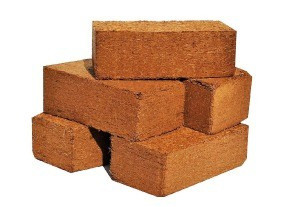 © Valimex
"Our objective is to ensure growers have flexible and sustainable solutions so that they can adapt gradually to the new regulatory scenario without sacrificing productivity or profitability," he says.
"European horticulture is entering a structural transition. Innovation in substrate mixes will be essential to sustain production growth with alternatives to peat, guaranteeing quality, availability, and economic viability for growers," he adds.
Elias Ciruelos (Ing Agr from UC and Master of Science in Administration and Planning from University College London UCL) is Director of the Agro Division at Valimex SL, exclusive distributor of Klasmann Deilmann in Spain, specializing in substrates and solutions for professional horticulture.
 © ValimexFor more information:
Valimex
Offices in Spain
C/ Cuenca 4-1º.
46007 Valencia. Valencia, Spain.
Tel. +34 96 385 37 07
COLOMColombiaBIA Offices
Calle 93 # 4 a - 60 Piso 1.
Bogotá. Colombia
Tel. +57 3017361134