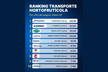
Ethiopian Airlines has increased freight tariffs by 20 per cent on perishable exports, reflecting higher fuel, insurance, and operational costs. The revised pricing, effective April 2026, applies to goods under Price Class PEF, affecting horticultural exports reliant on air freight to markets in Europe and the Middle East.
Air freight pricing follows a tiered structure, with per-kilogram rates declining at higher volumes. Smaller shipments in the +45 kg and +100 kg categories are expected to face more direct cost increases, while larger consolidated volumes may absorb part of the adjustment.
For over 20 years, Ethiopian Airlines has provided cargo capacity for exports to destinations including Paris Charles de Gaulle Airport, Frankfurt Airport, and Dubai International Airport.
Mekonnen Solomon said the adjustment reflects external pressures while adding strain to export systems. "The airline has enabled Ethiopia to position itself as a reliable origin for perishable exports through speed, connectivity, and cost efficiency," he said. "This adjustment, while operationally justified, places additional pressure on an already cost-sensitive export system."
Export flows include greenhouse vegetables such as tomatoes, peppers, and herbs, which depend on cold-chain logistics and time-sensitive transport.
Mekonnen said existing pricing models were based on stable freight costs, and the increase is widening the gap between production costs and market expectations. He added that coordination between logistics providers, policymakers, and exporters is required. "Structured dialogue between logistics providers, policymakers, and exporters is essential to align short-term responses with long-term sector stability."
Measures under discussion include improved shipment consolidation, freight support mechanisms, and expanded cargo capacity. Mekonnen also noted the need for flexible commercial arrangements in response to fuel and currency volatility, and closer coordination with buyers.
He added that reliance on a limited number of logistics channels increases exposure to market shifts. "Reliance on one primary carrier creates efficiency, but also concentration risk under volatile global conditions."
Exporters indicate that the coming months will determine whether the tariff increase is a short-term adjustment or reflects longer-term changes in the cost structure of Ethiopia's horticultural export sector, particularly for smaller greenhouse suppliers.
Source: BIRR