The escalation of geopolitical tensions following the USA–Israel–Iran conflict escalation of February this year has introduced new uncertainties into global logistics networks, with direct consequences for horticultural exporters in East Africa. Ethiopia's horticultural sector, which relies heavily on air freight for high-value, perishable produce, is particularly exposed to these disruptions.
For more than two decades, Ethiopian Airlines has sustained the country's horticultural export model by providing consistent cargo capacity, competitive pricing, and efficient connections to European and Middle Eastern markets. According to Mekonnen Solomon, Horticultural Export Coordinator at the Ministry of Agriculture, "the airline has enabled Ethiopia to position itself as a reliable origin for perishable exports through speed, connectivity, and cost efficiency."
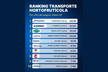
However, rising fuel, insurance, and operational costs linked to regional instability have led to a revision of cargo tariffs. Effective April 2026, a 20% increase has been applied to perishable exports under the airline's Price Class PEF. "This adjustment, while operationally justified, places additional pressure on an already cost-sensitive export system."
 © MoA
© MoA
Air freight pricing continues to follow a tiered structure, where per-kilogram rates decrease as shipment volumes increase. While their fresh produce exports often move in consolidated volumes, smaller and mid-sized shipments, falling within the +45 kg and +100 kg tiers, are expected to experience proportionally higher cost impacts. "Even marginal increases in these brackets can influence shipment planning and overall profitability," he explains.
The tariff revision affects key export corridors, including major European entry points such as Paris Charles de Gaulle Airport and Frankfurt Airport, as well as Middle Eastern hubs like Dubai International Airport. These routes are critical for maintaining the cold chain integrity required for greenhouse vegetables such as tomatoes, peppers, and herbs.
"Our export pricing frameworks were established under assumptions of relatively stable freight costs. The current increase introduces a gap between production costs and market expectations." Exporters are therefore faced with two primary responses: adjusting selling prices or absorbing additional logistics costs. Both options carry risk in highly competitive international markets.
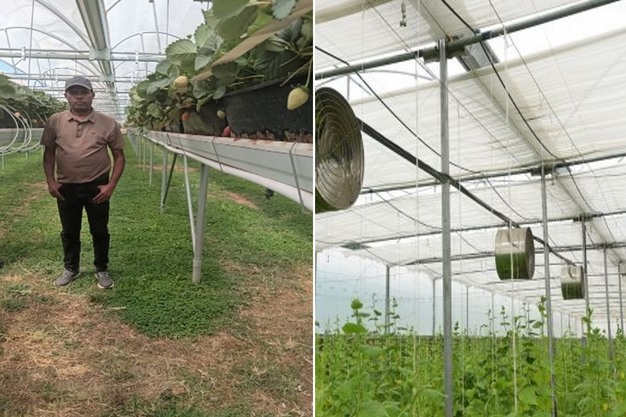 © MoA
© MoA
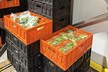
The greenhouse vegetable sector depends on predictable logistics to maintain quality and shelf life. Any disruption to routing or timing can compromise product integrity. "Maintaining cold-chain continuity remains non-negotiable for greenhouse exports, particularly for premium vegetable categories," he emphasizes.
The situation also exposes a broader dependency on a single dominant logistics provider. "Reliance on one primary carrier creates efficiency, but also concentration risk under volatile global conditions." This is particularly relevant as global supply chains become more sensitive to geopolitical shocks.
Smaller grower and outgrower schemes supplying greenhouse operations may face indirect impacts if export volumes decline. Reduced demand or tighter margins at exporter level can translate into pricing pressure along the value chain. Regional comparisons reinforce this concern, with disruptions in neighbouring export industries demonstrating the speed at which losses can accumulate under constrained logistics conditions.
In response, Mekonnen advocates for coordinated sector engagement. "Structured dialogue between logistics providers, policymakers, and exporters is essential to align short-term responses with long-term sector stability." Potential measures include targeted freight support, improved shipment consolidation strategies, and exploration of supplementary cargo capacity.
"There is scope to develop more resilient contractual frameworks that account for volatility in fuel and currency markets, as well as to strengthen collaboration with international buyers." Such approaches could help distribute risk more evenly across the supply chain.
While the current tariff increase presents immediate operational challenges, it also shows the importance of adaptive planning within the greenhouse vegetable sector. "Continuous monitoring of freight dynamics, export volumes, and market responses will be critical in determining whether this is a temporary adjustment or a longer-term structural shift."
The coming months are likely to define how effectively Ethiopia's horticulture industry can recalibrate its logistics strategy while maintaining competitiveness in global markets.
For more information:
Ethiopian Ministry of Agriculture
Mekonnen Solomon
+2251712047887
[email protected]
www.moa.gov.et