 © Klingele
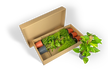
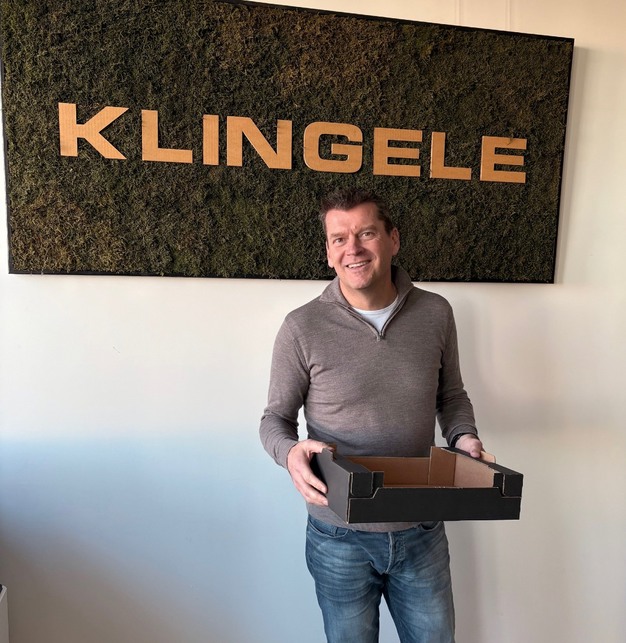
Moisture-resistant transport is a must in the fresh produce sector. Kraft cardboard (virgin paper) or plastic-coated cardboard is usually used. With Super Cobb, Klingele introduces a circular alternative: 100% recycled corrugated cardboard with high moisture resistance. According to Roalt Hulleman, the product responds to the growing demand for sustainable packaging. "We can offer a fully recycled material that closely matches the performance of Kraft cardboard," he says.
From kraftliner to circular alternative
The sector distinguishes between kraft (new paper) and test (recycled) liners. The first is stronger and more resistant to moisture, while recycled paper's short fibers generally make it less durable. Super Cobb bridges that gap. "It's a test liner with a high Cobb value. That means it absorbs less moisture and can be used where kraftliner is normally required."
This new product's performance stems from combining its fiber structure and a starch-based adhesive. "The cardboard is, thus, more water-repellent without having to use plastic," says Roalt. A key advantage is that the material remains fully recyclable. "It contains no plastic, so it can be disposed of with waste paper. It is biodegradable and doesn't release any microplastics."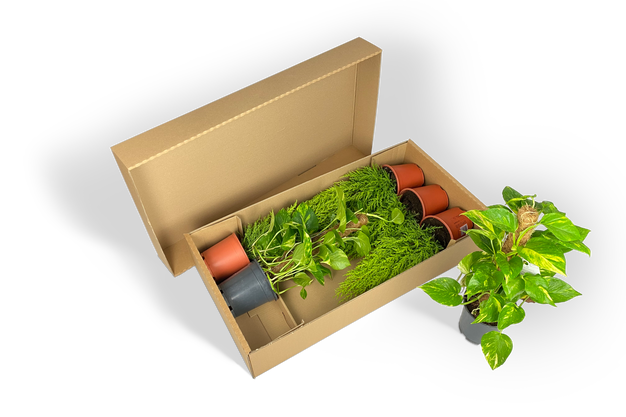 © Klingele
Used for flowers and fresh produce
Super Cobb is already in use in the fresh produce and flower sectors. "Besides the flower sector, it's being used for chilled or moist products, too," Roalt explains. The material, however, is not suitable for all applications. "You still need kraftliner for weighty products like melons." The primary focus is on moisture resistance for lighter or medium-weight products.
There is a rapidly rising demand for circular packaging, partly due to regulations and retail requirements. "The entire supply chain is moving in that direction," Roalt points out. Super Cobb is FSC-certified and meets recycling standards. For produce companies, it offers a way to increase their proportion of recycled material without compromising on quality.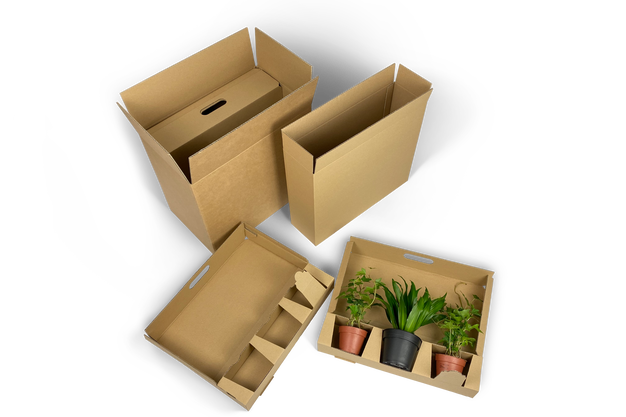 © Klingele
In practice, and looking ahead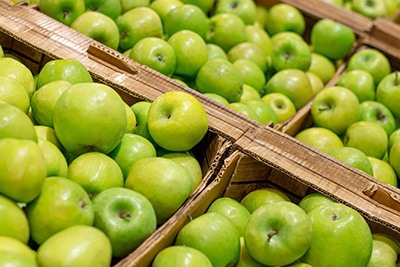 © KlingeleIn practice, Super Cobb is also being used for products such as apples and mushrooms, often along with inner packaging. "The cardboard remains sturdier in humid conditions and protects the product well." According to Hulleman, the future lies in further reducing plastic. "Plastic layers make recycling more difficult and expensive," he notes. "That's where opportunities lie for alternatives like Super Cobb." The product proves that recycled cardboard is becoming increasingly versatile. "It's spreading like wildfire. More and more companies find they can use recycled material in ways that used to require new cardboard or plastic," Roalt concludes. (JG)