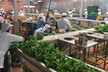
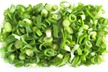
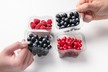
 © Bandall - LooyeRegulations, sustainability demands, and changing consumer needs are putting increasing pressure on fresh produce packaging. In that context, banding - bundling products with a narrow paper band - is rapidly gaining ground. In the Netherlands, Looye Kwekers recently used this and demonstrated how sustainability and brand perception can converge. According to Erik de Roos of Bandall, this packaging's strength lies in its simplicity. "You can bundle products and convey information using as little material as possible."
From plastic to paper © Bandall - LooyePublic perception partly drives the switch to paper. "Paper is considered more sustainable and more stylish," says Bandall's Jacqueline van den Top. Appearance is particularly important in the premium segment. At Looye Kwekers, that was a main reason for the change. "We have a premium brand and wanted the packaging to reflect that," says Michel van Giesen. The switch from plastic to paper both reduces plastic use and creates more space for branding.
Less material, more effect
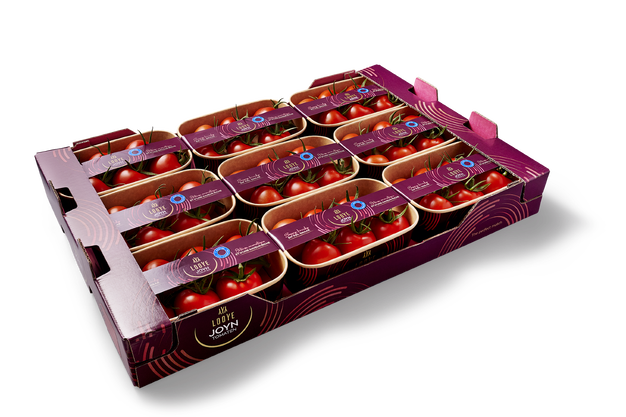
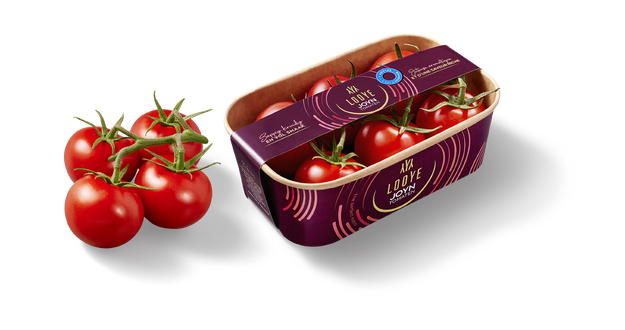
The paper bands combine product visibility with reduced material usage. "By using a narrow band, the product remains clearly visible," Michel explains. The savings are tangible: about 45% less plastic and a lower total weight. Also, most of the packaging can be disposed of with paper waste, which simplifies recycling. "The main benefit lies in reduced material usage," Jacqueline points out.
 © Bandall - Looye
More than just sustainable
The new packaging improves function, too. "The packaging is more open, so we have less trouble with mold growth," Michel remarks. Still, the product must be suitable for a more open packaging design. Branding is also becoming increasingly important. "Packaging has become a marketing tool," says Jacqueline. The band offers space for additional communication, such as recipes or QR codes.
Not for every market
This is not a universally appropriate solution, though. Due to higher costs and slower production speeds, "It's less suited to the lower price segment," Michel admits. That creates a divide between premium and price-sensitive products.
 © Bandall - Looye
In the future, less material will be key
Bandall says the future lies in further reducing packaging materials. "First, use as little as possible; then, make it more sustainable," says Erik. Looye Kwekers' application shows that packaging is increasingly becoming part of the product itself. "It's not just about what you use. It's about how smartly you use it," Erik concludes. (JG)
For more information:
Bandall
Damzigt 45
3454 PS De Meern
Tel: +31 (0)348 431 520
[email protected]
www.bandall.com
Looye Kwekers - Naaldwijk
Vlietboomgaard 10
2672 JA Naaldwijk
Tel: +31 (0)174 520 060
[email protected]
www.looye.com