In agriculture, some materials are designed to last a single season, while the waste they leave behind lasts far longer. That gap is where Benviro positions itself, developing biodegradable formulations for specific agricultural uses, tailored to the required lifespan and to real field conditions.
The company focuses on cases where a material fulfils a temporary function but then leaves an operational and environmental burden that is difficult to solve: removal, handling, transport, cost and accumulation.
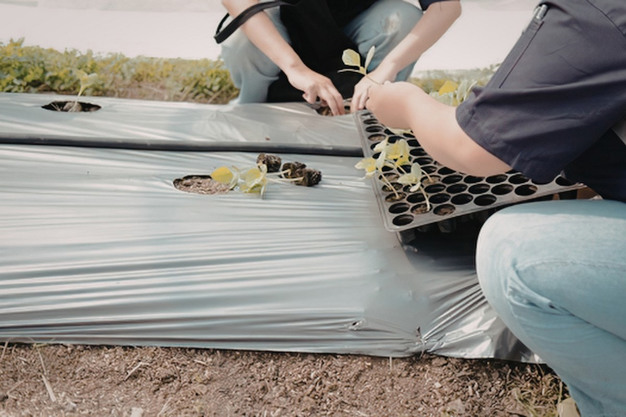 © BenviroExample of mulching film in agricultural application.
"One example highlighted by the company is mulching films. They are used during the crop cycle and must maintain their function under real field conditions. That means resistance, stability and appropriate technical performance throughout the season. Once that period ends, the material can be incorporated into the soil during ploughing to begin its biodegradation, without negatively affecting the crop."
From that logic, Benviro points to several agricultural applications where biodegradable bioplastics can make sense, provided they are properly formulated for the specific use. These include:
-
Clips and agricultural fastening elements, especially in uses where recovery is complex or inefficient.
-
Pots, trays or nursery supports, in temporary applications linked to planting or transplanting.
-
Elements for horticulture and professional gardening, where use is limited in time and waste often becomes dispersed or mixed with organic matter.
-
Single cycle protection or support solutions, designed to accompany a specific crop stage.
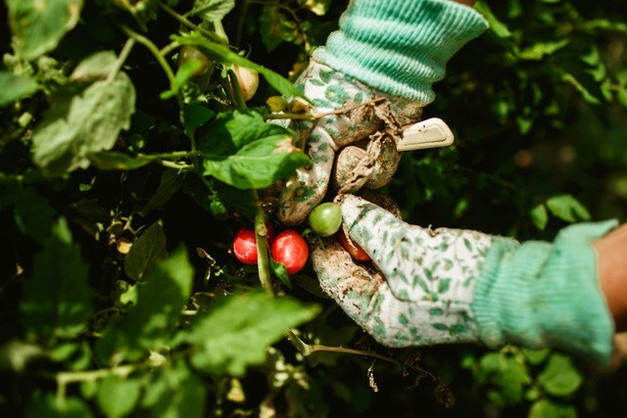 © BenviroExample of agricultural clips and fasteners.
"The issue," Benviro says, "is not only how the material performs during use, but also what happens afterwards. In many farms, waste management still represents an additional burden, both in cost and in day to day operations. On top of that, there is growing concern about the persistence of certain materials and their possible fragmentation into microplastics, an issue increasingly present in the public, technical and regulatory debate."
"From that perspective, the company argues that material selection must start with the specific application. Not all agricultural solutions require the same thing, whether in duration of use, exposure to moisture, temperature or radiation, mechanical behaviour, or end of life. That is why the best option should be to work with formulations tailored to each case, rather than proposing generic solutions."
That approach aims to solve several layers of the problem at once. "On one hand, the material has to perform well in the field. On the other, it has to fit the real operating conditions of the sector. And it also needs an end of life solution that makes sense for the application it was designed for."
The company sees that as one of the key points in the evolution of agricultural materials. The discussion no longer stops at technical performance during the season. "It also includes post use management, pressure from waste streams and the need to reduce the persistence of materials that stop being useful long before they disappear."
"For that reason, Benviro is developing a line of work focused on biodegradable materials free of permanent microplastics for applications where that transition can provide a response better aligned with real use."
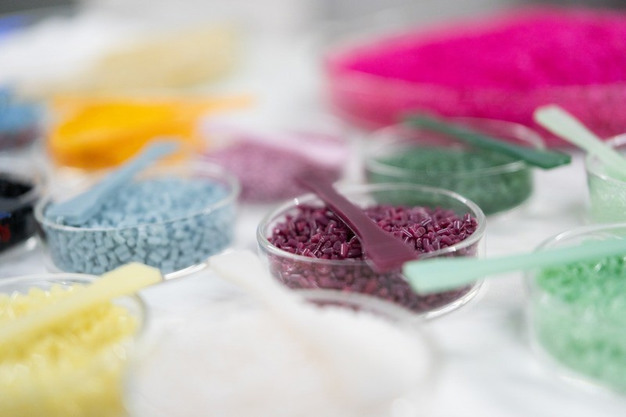 © BenviroBenviro's biodegradable formulations.
 For more information:
Benviro
C/ del Mar Mediterráneo, 8 Pol. Ind. la Torre del Rector
08130, Santa Perpètua de Mogoda, Barcelona
[email protected]
https://benviro.es