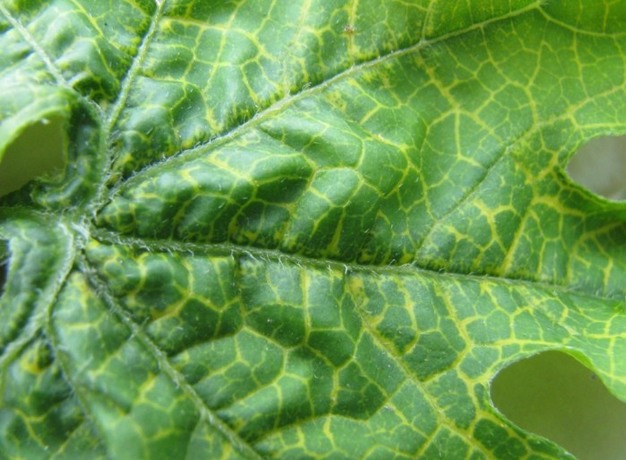
In horticulture, root diseases such as Pythium and Fusarium are often seen as sudden problems. However, in practice, these pathogens are almost always present in the system, in the water, substrate or irrigation lines. The real difference between a healthy crop and a crop under pressure is not the absence of pathogens, but the stability and resilience of the rootzone. A healthy rootzone creates conditions where plants can cope with stress and where pathogens are less likely to become dominant.
Root health is more than what you see
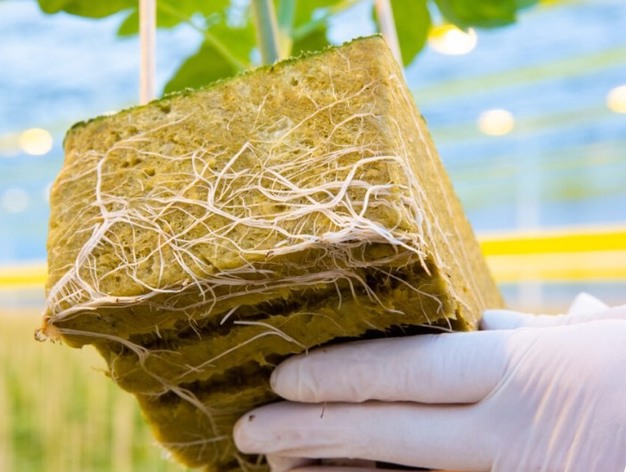
Healthy roots are often described as "bright white". While this can be an indicator, it does not tell the full story. The real functionality of the root system lies in the fine hair roots. These small structures are responsible for the uptake of water and nutrients. When these hair roots are damaged or absent, plant performance declines. Even if the main roots still look visually healthy. Maintaining these hair roots requires a careful balance between moisture and oxygen in the substrate.
The first weeks determine the season
Rootzone stability is not created later in the crop. It is built from the start. During the first weeks, roots need to explore the entire substrate. This requires a controlled irrigation strategy, often referred to as a gradual dry-back. By allowing the substrate to dry back slightly (for example around 1.5% per day), roots are stimulated to grow deeper and more evenly. When the substrate remains too wet, roots stay shallow, making the plant more vulnerable when demand increases later in the season. In practice, this early phase determines how resilient the crop will be under stress.
 © Plant Empowerment
Oxygen: the underestimated factor
Many root problems are often attributed to overwatering, but in reality, the underlying issue is often a lack of oxygen. Frequent irrigation can reduce oxygen levels in the substrate to very low levels, especially during the day. Without sufficient oxygen, root activity declines and the plant becomes more sensitive to stress and disease.
A more effective approach is to create a dynamic balance with larger irrigation volumes, followed by a controlled dry-back. This allows oxygen to re-enter the substrate and supports root activity. In addition, maintaining a high level of dissolved oxygen in the irrigation water can further support root health.
 © Plant Empowerment
Prevention instead of correction
Biostimulants and beneficial microorganisms are often used in greenhouse production. However, their effectiveness depends strongly on timing. Rather than acting as a cure, they should be seen as a preventative strategy. Products such as Trichoderma or Mycorrhizae work by establishing a microbial community around the roots. This creates competition, making it more difficult for pathogens like Pythium to infect the plant. For best results, these products should be applied early in the crop and maintained consistently to support a stable microbiome.
Water quality and system hygiene
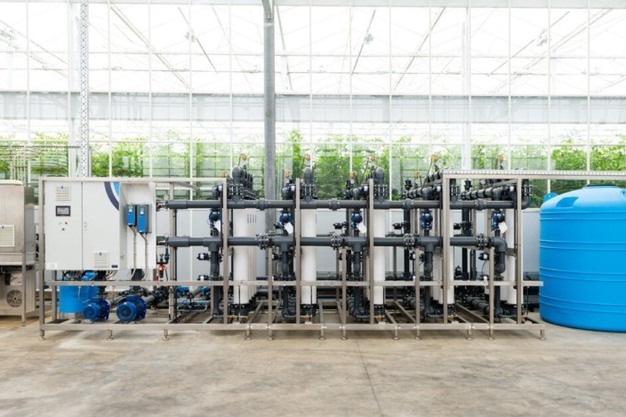
Water is one of the main carriers of pathogens in greenhouse systems. With the increasing use of surface water, the risk of introducing pathogens becomes higher. Disinfection techniques such as UV, ozone or filtration are therefore essential to reduce pathogen pressure. At the same time, maintaining stable conditions in the rootzone is just as important. Fluctuations in EC, pH or temperature can weaken the plant and create opportunities for pathogens to develop.
 © Plant Empowerment
Stability is the key
Rootzone health is not determined by one single factor. It is the result of a stable interaction between water, oxygen, nutrients and microbiology. Plants that grow in a stable root environment are more resilient and less sensitive to disease pressure. In contrast, large fluctuations in moisture, EC or oxygen levels create stress, and increase vulnerability. For growers, this means that rootzone management is not about reacting to problems, but about creating stable conditions from the start.
Root diseases are rarely the starting point of a problem. They are often the result of imbalance in the system. By focusing on rootzone stability, growers can reduce disease pressure and improve plant resilience. Because ultimately, a healthy crop starts below ground.
For more information:
Plant Empowerment Academy
[email protected]
www.plantempowerment.academy