The Dutch greenhouse sector is working within an evolving energy context, where regulation, market volatility, and infrastructure constraints increasingly influence operational decisions. According to Tom van Houte of Dutch company Energy Department, the energy-saving obligation is a key driver of this transition.
"The energy-saving obligation means that businesses must actively identify and implement energy-saving measures that are both legally required and financially reasonable," he explains. In practice, this extends beyond compliance, encouraging growers to analyse consumption patterns and eliminate inefficiencies. Measures include optimising climate control, improving heating systems, deploying energy-efficient lighting and reducing losses in buildings and installations.
Data as the foundation for peak demand control
Energy insight is essential for managing rising costs and peak demand. "Better control starts with visibility. Without reliable data, it is difficult to make the right decisions." He adds that by monitoring energy consumption, operators can identify peak moments and determine which systems, such as lighting, heating, cooling or irrigation, drive demand.
This insight enables more strategic load management. "Once you understand when and why peaks occur, you can spread energy demand more intelligently and avoid unnecessary costs," he adds. Adjusting schedules, implementing automation and exploring energy storage or flexible contracts are key steps in this process.
Integrated strategies for energy optimisation
Optimising energy use in greenhouses requires a combination of technical and operational measures. "The most effective strategies look at the full energy profile of the business," he states. Rather than focusing on a single solution, growers benefit from integrating efficient lighting, improved insulation, well-maintained systems and data-driven adjustments.
Even small operational changes can have a measurable impact. "Fine-tuning temperature settings, adjusting timing and improving equipment performance contribute to cumulative energy savings across the operation."
Grid congestion limits growth and electrification
Grid congestion is increasingly constraining greenhouse businesses, particularly in their ability to expand or adopt new technologies. "Grid congestion can delay investments in technologies such as electric boilers, heat pumps, battery storage or additional lighting capacity," he explains. To mitigate these limitations, early planning is critical. Growers are advised to map future energy needs and engage with grid operators in a timely manner. Solutions such as peak shaving, load shifting and on-site storage can help optimise existing connections and reduce dependency on grid expansion.
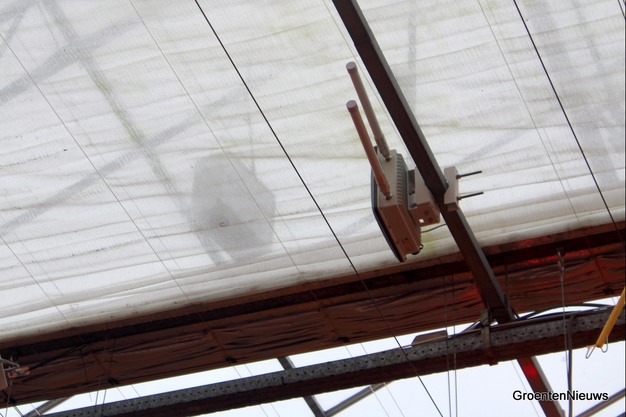 © Thijmen Tiersma | HortiDaily.com
Energy management as a profitability lever
Energy management is becoming central to long-term resilience and profitability. "Energy is one of the major cost factors, so better control directly improves margins." Effective management reduces waste, limits exposure to peak tariffs and supports informed investment decisions.
It also enables businesses to respond more effectively to energy price volatility while preparing for stricter sustainability requirements.
Preparing for regulatory and market developments
"Greenhouse operators need to anticipate tighter regulations and a more dynamic energy market. Greenhouse entrepreneurs should prepare for stricter efficiency requirements, increasing pressure to reduce emissions and a more volatile energy market."
Grid capacity constraints will continue to influence growth strategies, making early adaptation essential. Businesses that improve energy insight, efficiency and flexibility now will be better positioned to remain competitive as energy becomes an increasingly strategic component of greenhouse operations.
For more information:
Energy Department
Tom van Houte
[email protected]
www.edepartment.nl