Lighting strategies are increasingly defined by flexibility, system integration, and economic context rather than standardized solutions. According to Jeff Mastin, Director of Lighting Science and Products at Total Grow Light, successful projects depend on aligning technical possibilities with the realities of each grower's operation.
Jeff emphasizes that lighting design rarely exists in isolation. "Crop type, facility constraints, grower expertise, and financial considerations are closely interconnected. This systems-level perspective has guided our company since its founding in 2012, when it transitioned from semiconductor technologies into horticultural LED applications."
 © Total Grow Light
Custom planning as a baseline
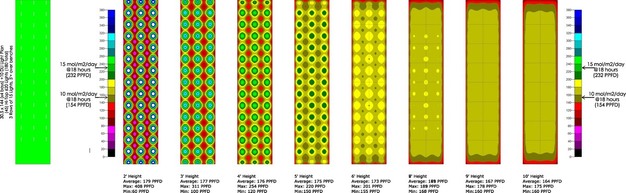
Rather than focusing on bespoke fixtures, he distinguishes between custom lighting products and custom lighting plans. "In almost every case, a greenhouse project should have some level of customization to the planning," he says. While standardized solutions may work in repeatable environments, most commercial greenhouses require tailored configurations.
 © Total Grow Light
Oversimplified approaches can lead to inefficiencies: "Somebody's going to end up with too much power or too little power…or a light that is fine but not the best option." Even fixture spacing and wattage distribution can significantly impact uniformity, crop performance, and long-term costs.
 © Total Grow Light
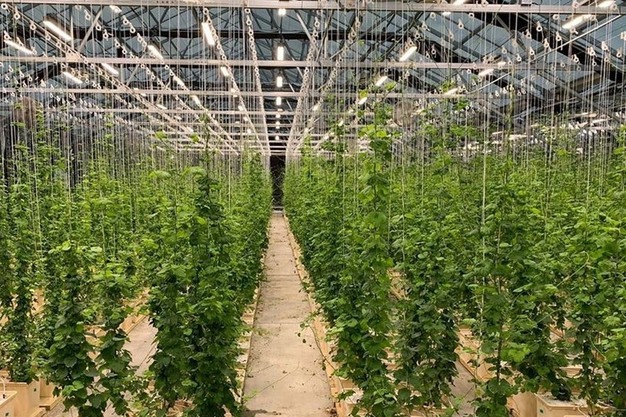
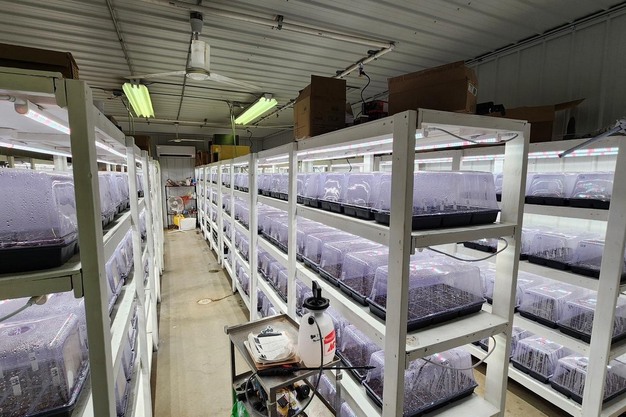
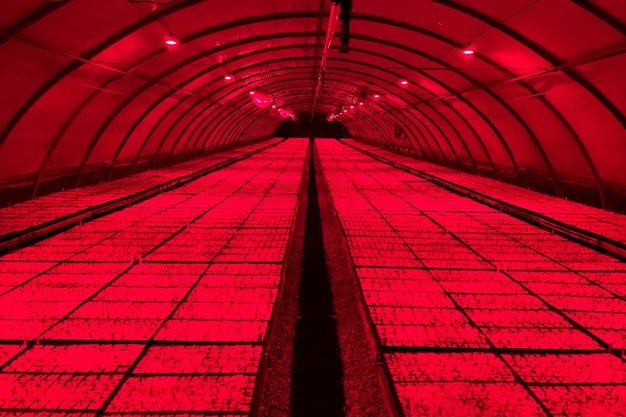
In greenhouses, physical customization is typically less critical than in vertical farms or growth chambers, where space constraints demand precise fixture dimensions. Greenhouse lighting customization tends to focus on performance parameters such as efficiency, spectrum, and integration with existing systems rather than fixture size.
 © Total Grow Light
Efficiency and ROI considerations
Energy efficiency remains important, but Jeff frames it within operational context. "If somebody's using the light for just two months of the year, they probably should use the base version," he says. In contrast, high-use environments justify greater upfront investment: "The more hours per year they're running it, the more they should be factoring energy costs."
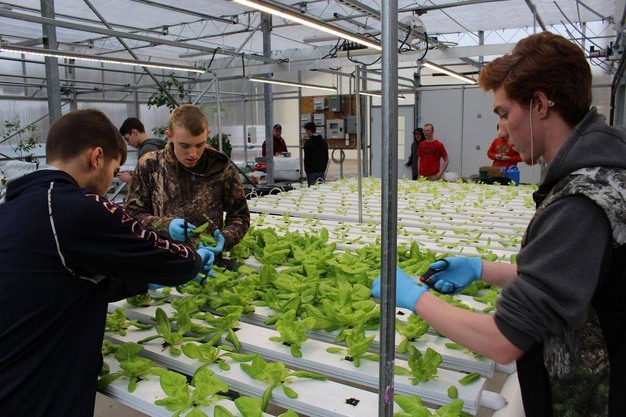
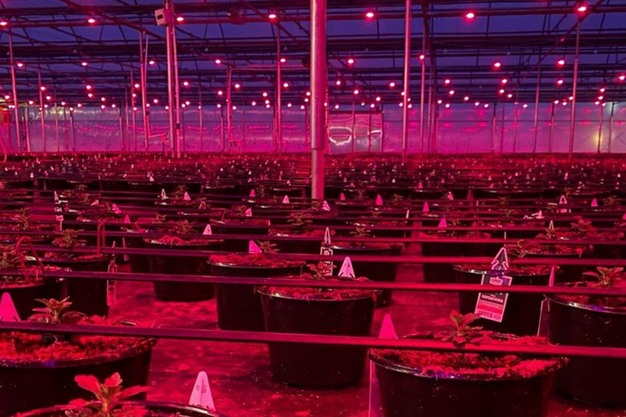
Application priorities can shift this balance significantly. In research and educational settings, lighting decisions are often driven by experimental outcomes or strict budget constraints rather than operational efficiency. "We might go the other way and say we can do a 25% lower efficiency light and reduce the cost of this project by 40%.
 © Total Grow Light
In contrast, commercial greenhouse operations tend to prioritize efficiency and return on investment. With longer operating hours and tighter margins, energy consumption becomes a critical factor, making higher-efficiency solutions more attractive over time."
He adds that spectrum selection adds another layer of complexity, as different spectral outputs influence achievable efficiency, making lighting decisions a balance between energy costs, crop goals, and capital investment.
 © Total Grow Light
Infrastructure and retrofit challenges
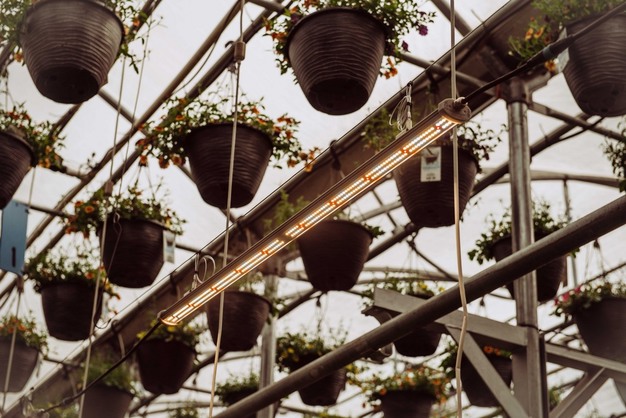
Existing infrastructure often constrains lighting design, particularly in retrofit projects. Electrical capacity, voltage, and facility layout can all limit options. "If we can make it work with their existing electrical infrastructure, it will always be a priority," he says, emphasizing the need to avoid costly upgrades.
However, gathering accurate data can be difficult. "Growers often don't know how much electricity they have, and electrical personnel don't know what really matters for the plants," he notes. Coordinating between operational and technical teams is therefore essential.
 © Total Grow Light
Real-world variability
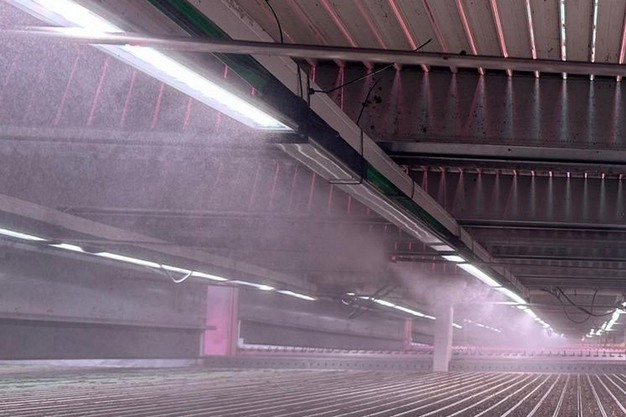
Unexpected conditions can also affect performance. In one nursery project, high water exposure initially appeared to be the main issue. Additional sealing improved durability, but failures continued. The root cause was nonstandard voltage supply.
 © Total Grow Light
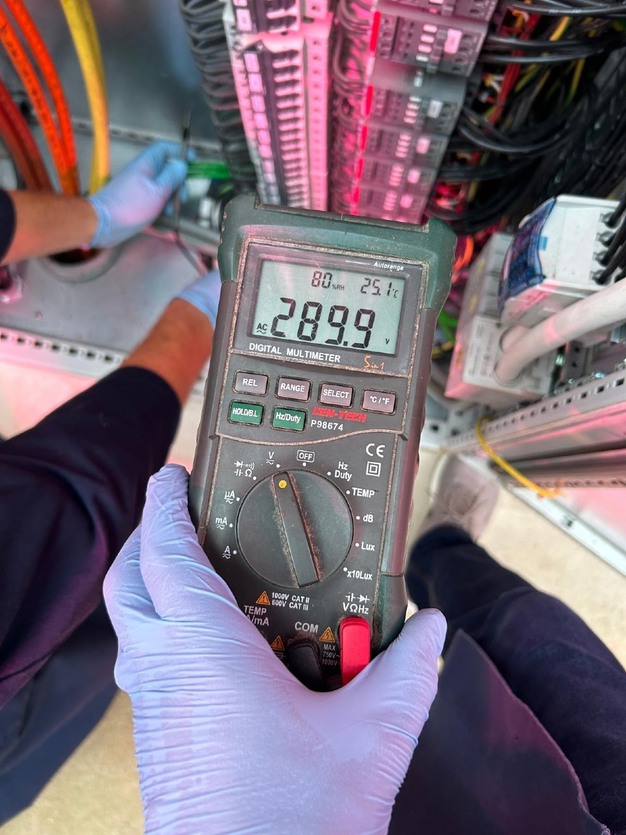
"It should have been 277 volts ideally, but their facility was actually running anywhere from about 285 to 295," he explains. These sustained overvoltage conditions, combined with spikes above 300 volts, stressed lighting drivers. The solution involved deploying fixtures rated for higher voltage ranges, highlighting the importance of on-site diagnostics.
 © Total Grow Light
Evolving energy priorities
Energy costs and sustainability goals are influencing decisions, though not uniformly. "It is sometimes a big influence and sometimes it's not," Jeff says, pointing to budget limitations and operational timelines. Incentives and carbon targets are driving efficiency in some regions, while short-term constraints limit adoption in others.
He notes the importance of ongoing dialogue between suppliers and growers. "The way things work best is when we have long conversations to really understand their operations," he says. This collaborative approach enables more precise alignment between technology and application.
For more information:
Total Grow Light
Jeff Mastin
[email protected]
https://totalgrowlight.com/