In Almería, where more than 33,000 hectares of greenhouses have turned the region into one of Europe's main horticultural hubs, plastic management has become one of the structural challenges of the production model.

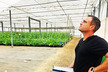
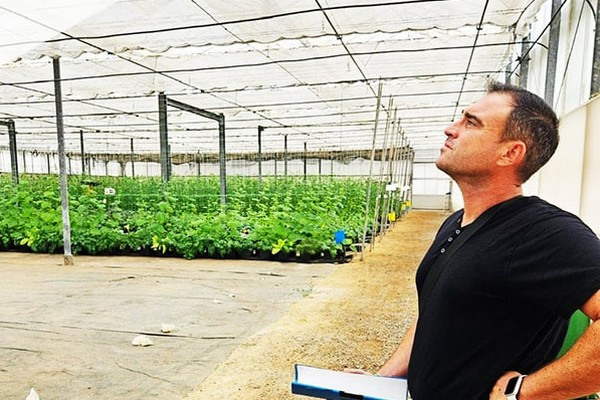
That need to rethink materials, life cycles and construction systems led to the creation of BioGreen Vision, a project that did not emerge from a major technology centre or a multinational supplier, but from the direct experience of a grower who, faced with the periodic replacement of plastic on his own greenhouse, began questioning the logic of a system built around short life materials and high waste generation.
"I started from a very specific need, which was to avoid having to change the plastic every two or three years, because it is not only a significant economic cost, but also a growing environmental problem," explains project founder Daniel Ramos Bal. "The turning point came when I looked at the potential volume of waste coming from the photovoltaic sector, with forecasts pointing to more than 22,000 tonnes in Spain from 2027 onwards, which opened the door to a possible synergy between two industries that appear unconnected."
 © BioGreen Vision
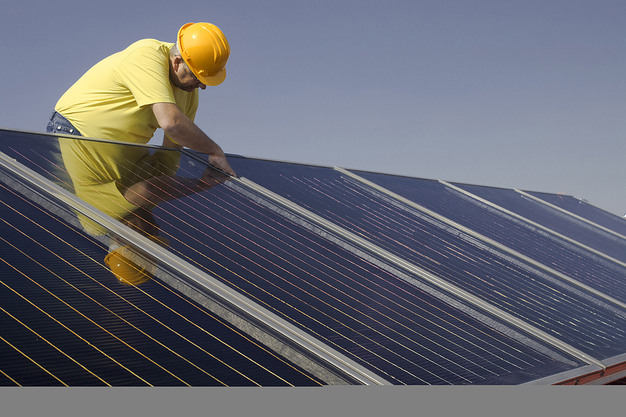
From that observation, the proposal began to take shape around a clear idea: using glass from dismantled solar panels. Because of its physical characteristics, tempered, low iron and with specific light transmission properties, the material offers particularly suitable conditions for agricultural structures, provided it can be separated from the remaining components without losing quality.
Tempered glass with 95% diffusion
"After contacting multiple recyclers in Spain without finding a viable solution, I managed to identify a technology capable of separating the panel glass cleanly and with low energy consumption, making it possible to obtain panels whose quality, according to the tests carried out, even exceeds conventional greenhouse glass in terms of light behaviour, especially because of its capacity to diffuse light by up to 95%, reducing shadows and creating a more uniform environment for crop development."
 © Tudor Stanica | Dreamstime
"What is interesting is that we are not talking about fully transparent glass, but translucent glass, which means light is distributed better inside the greenhouse. For plants, that is very beneficial because it avoids zones of light stress and improves crop uniformity," he says.
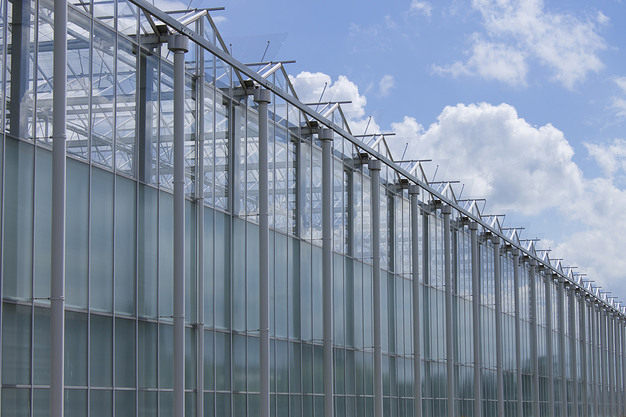
The proposal introduces a major shift in farm investment logic, replacing a structure based on short renewal cycles, with recurring costs linked to plastic replacement, treatments and waste management, with a model requiring higher upfront investment but offering a service life that can exceed 50 years.
"Construction cost remains the main barrier, with figures currently around €56 per square metre compared with approximately €9 to €10 for a plastic greenhouse," Daniel acknowledges. "But the project has significantly reduced initial costs from the €120 per square metre typical of conventional glass greenhouses."
"If the full cycle is analysed, from plastic replacement to the use of plant protection products or water management, the glass model allows significant optimisation, because external pest pressure is reduced, the system becomes more stable and efficiency improves on multiple levels. In the end, that translates into higher productivity and lower exposure to risks such as frost or hail."
 © Tomgram | Dreamstime
"However, if we want this to become reality, support from the Administration is essential, whether through European funds such as Next Generation or operational programmes for fruit and vegetable producer organisations for growers willing to take the step, because the long term benefit is clear, but the initial investment remains high, especially for those just starting out," he says.
The project is currently moving through an initial validation phase together with Rufepa, with the aim of building a first pilot greenhouse to demonstrate the system under real conditions and facilitate technical visits.
"We are only at the starting point, but the response has been very positive. It has surprised and motivated us to see there is fairly broad consensus that glass can be a real solution for sustainability in greenhouse construction in Almería in the future," he concludes, "and BioGreen Vision could solve the waste management problem of two important materials with limited recyclability: both plastic and end of life photovoltaic panels."
For more information:
BioGreen Vision
Calle Padre Juan Aguilar 46, 04005 Almería (Spain)
T. (+34) 620 380 169
[email protected]
https://biogreenvision.com/