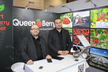
It is just a short step from a car dealership to hydroponics. While based in Buenos Aires, Marion and Nicolas Sarlé discovered hydroponics. When they returned to France in 2013, they set up the first ecological hydroponic farm in the Gers department. The sector is booming, with both professional and private clients. It has even prompted them to develop a training program. To date, they have grown over 100 varieties and trained more than 800 students. Marion Sarlé, co-founder of Les Sourciers, explains.
 © Oiseau Bondissant
From balcony to micro-farm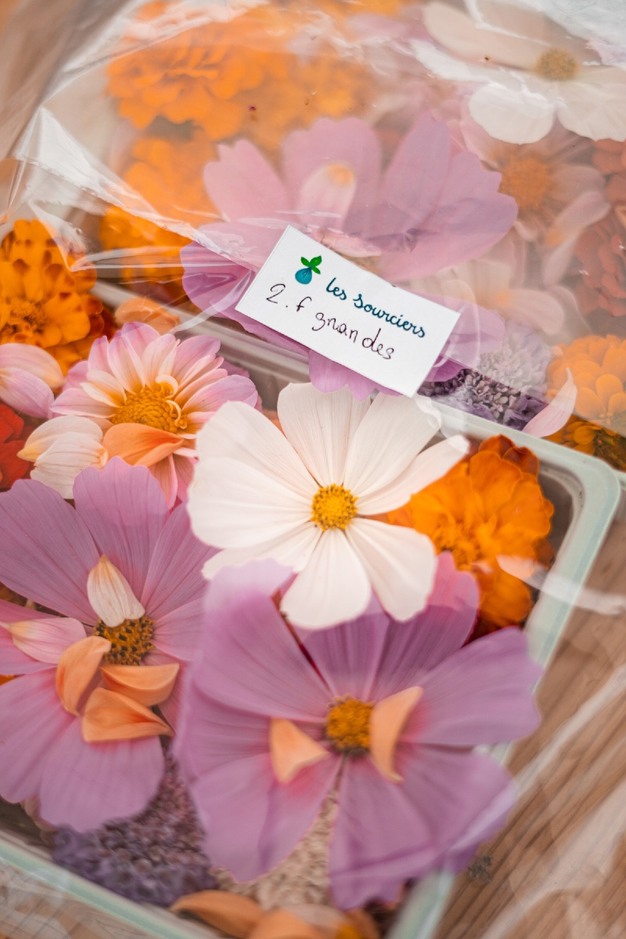 © Oiseau Bondissant
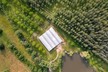
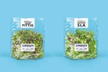
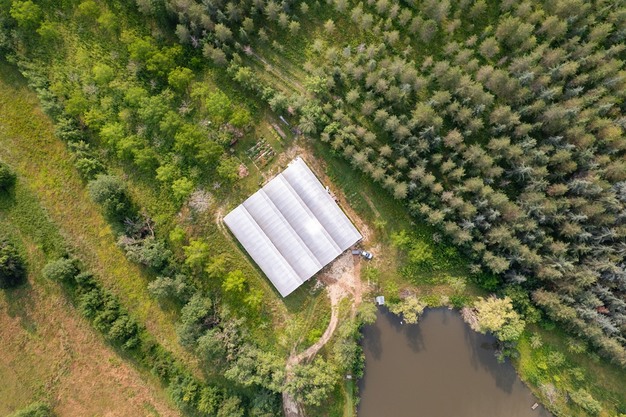
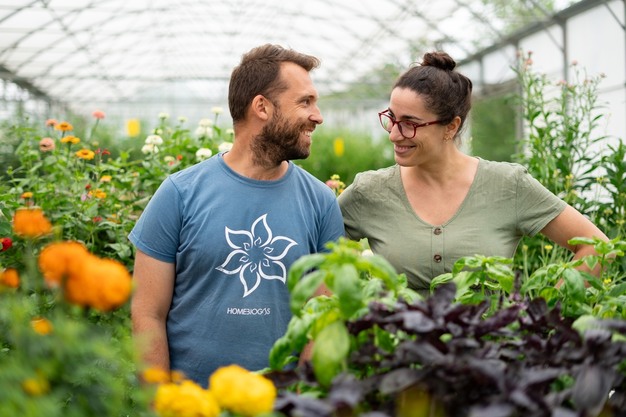
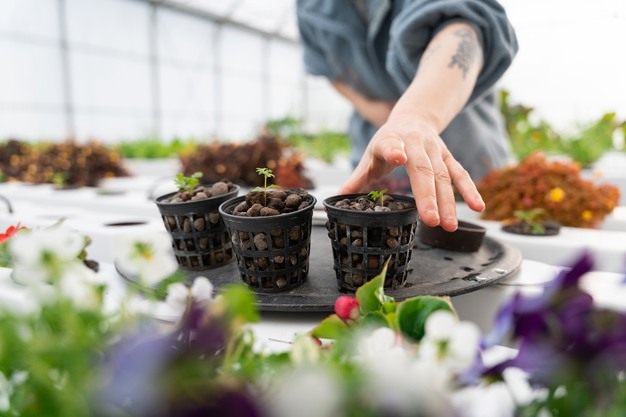
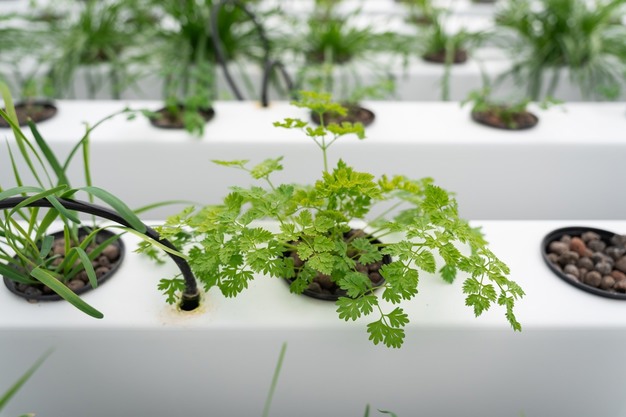
Nothing predestined Marion and Nicolas Sarlé to become vegetable growers. They were both working in the automobile sector when they moved to Argentina. It was on the balcony of their flat in Buenos Aires that they discovered hydroponics, already widely developed in the country. "We had a terrace and started growing plants, mostly herbs and tomatoes," explains Marion Sarlé. Back in France, the couple decided to take the plunge, and in 2013, they set up an ecological hydroponic micro-farm in the heart of the Gers department. At the time, this was an unprecedented move in France. "The hydroponic family already existed, but the hydroponic microfarm with a notion of ecology and nutritious plants did not exist," explains Marion Sarlé. In partnership with Terra Aquatica, they are developing growing systems adapted to this model. Covering an area of around 600 m², the microfarm now produces herbs - from parsley and basil to Japanese shiso - edible flowers, microfoils and heirloom tomatoes.
 © Oiseau Bondissant
Nicolas and Marion Sarlé
 © Oiseau Bondissant
Creation of a training center
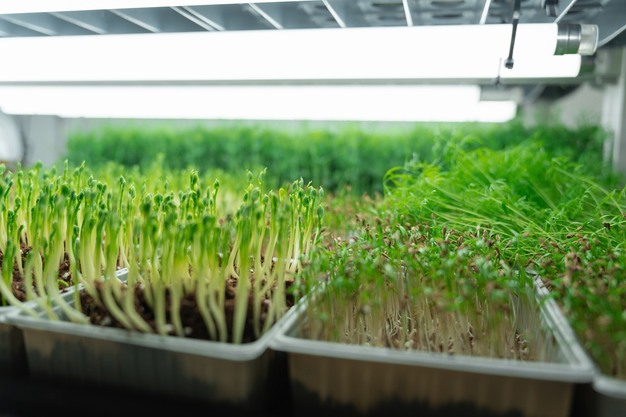
Very active on social networks, Marion Sarlé is quick to share her daily life and her experiences. Given the growing interest from her followers, training was the next logical step. "People were asking us a lot of questions, so it came quite naturally," she explains. Two years after setting up, the couple launched their first training courses. A complementary activity driven by "a passion for vegetable growing but also for passing it on." The courses on offer include "Set up your own hydroponic microfarm" and "Grow and market microgreens."
 © Oiseau Bondissant
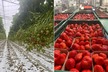
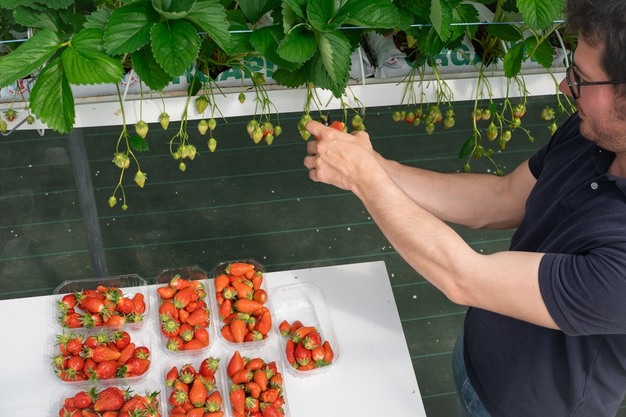
The profiles are varied: around 60% are professionals, but there are also many private individuals. Some apprentices go on to set up their own hydroponic microfarms, while others specialize in strawberry growing, for example. The courses also cover the various soil-less techniques, from open hydroponics to recirculated systems. In terms of format, the online modules represent 21 hours (with up to 40 hours of practical experience), while the on-site courses range from 3 to 15 days, with four sessions organized each year.
 © Oiseau Bondissant
"Growing crops when there is no land"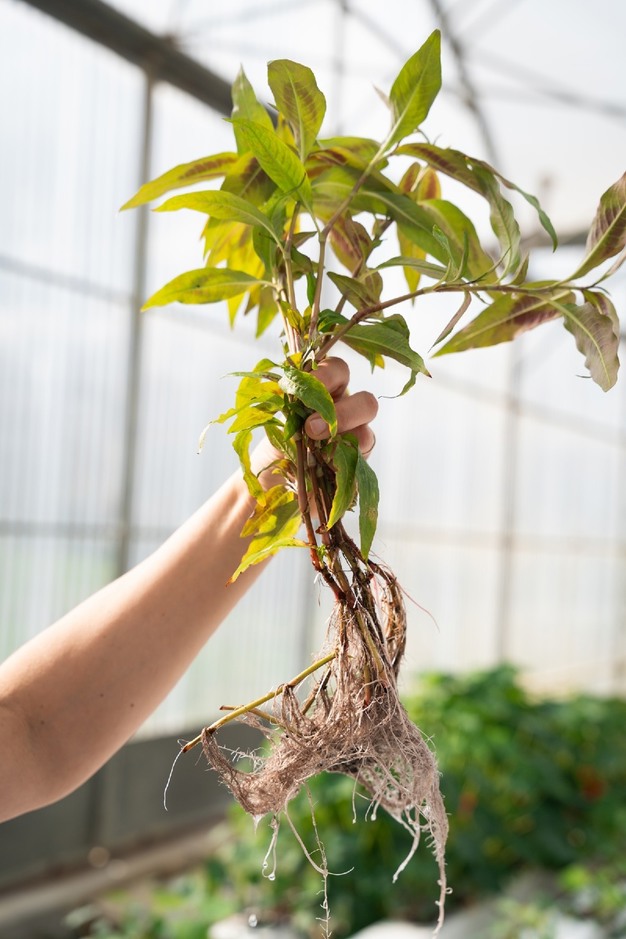 © Oiseau Bondissant
Beyond the technical aspect, hydroponics meets agronomic and regional challenges. "The aim is not to replace land, but to be able to grow crops when there is no land," explains Marion Sarlé. This ability to produce without fertile soil explains the growing interest in this method, particularly outside mainland France. "A large proportion of our clients come from areas where the land is poor or where there are water problems, such as the overseas territories or certain countries in French-speaking Africa."
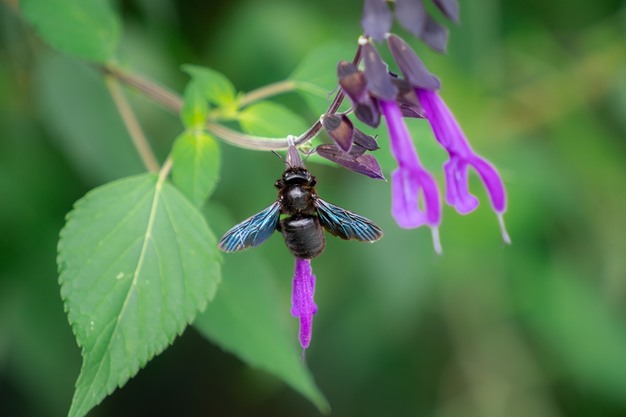
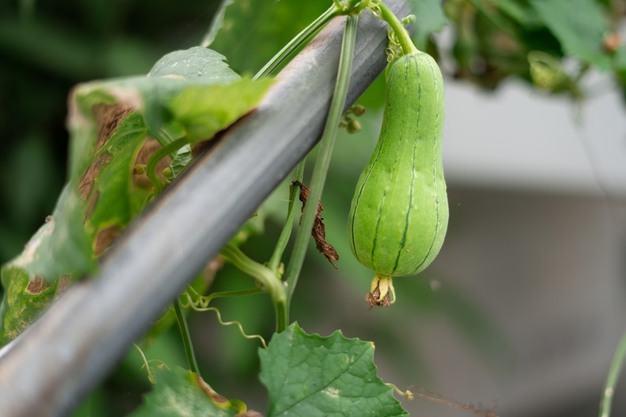
But hydroponics also helps to overcome a number of sanitary constraints. "Growing without soil means that you can limit problems such as disease and insects, and by extension, the use of phytosanitary products. As a result, we can produce plants with great taste and nutritional value," explains Marion Sarlé. This quality of flavor is what impressed them when they first started out. "We were very surprised by the flavor of our vegetables grown in water."
 © Oiseau Bondissant
 © Oiseau Bondissant
Production exclusively for the restaurant sector
There are many different business models for hydroponics, but Marion and Nicolas Sarlé have made a number of choices. "We did not want to farm, as we do with aquaponics, for example, because it involves too many human constraints," she explains. So the couple opted for an organization that was compatible with family life. Initially, the Les Sourciers project even envisaged duplicating the model. "Some opt to produce fodder for livestock, others vegetables for supermarkets or direct sale. For our part, we have chosen to keep our acreage small, with high added-value products destined exclusively for restaurants."
 © Oiseau Bondissant
Marion Sarlé has also written a practical guide to setting up a hydroponic, bioponic, or aquaponic microfarm.
 © Oiseau Bondissant
For more information:
Les Sourciers
Lieu dit Cler, 32330 Lagraulet-du-Gers
[email protected]
lessourciers.com/fr