For most greenhouse growers, success is measured not only in yields and quality but also in the ability to adapt: to plants, technology, and the relentless rhythm of agricultural life. For Kassius Rosa, Growing Strategist for Truly Green Farms and Cedarline Greenhouses, that adaptability has been a defining part of his career.
"Throughout the years, I've seen many exceptional growers," he says. "And most, if not all, have struggled with the same problem: work-life balance. Nowadays, I've given up on that wording, substituting it with work-life integration."
 © Kassius Rosa
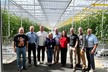
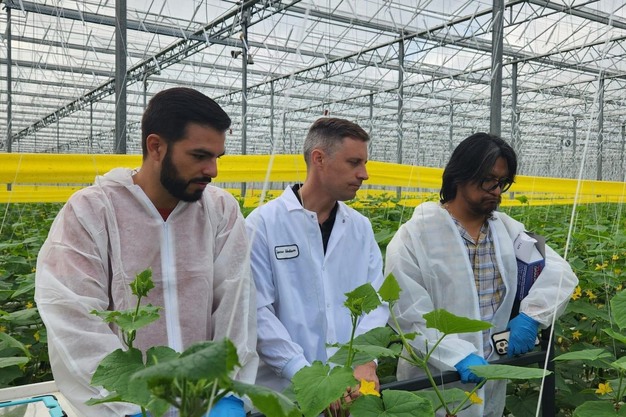
Teamwork makes the dream work
Redefining the grower's lifestyle
He speaks candidly about the realities of modern greenhouse management, where crops dictate the pace and personal schedules often bend to their needs. "Plants will demand what they will demand, and there's no talking them out of it. You must rise to their level; otherwise, you'll lose plant balance and production."
That reality, he adds, often translates into "nights without sleep, extended hours, unusual schedules, and long working weekends. Basically, a very intensive farmer."
Yet despite the demanding lifestyle, he believes growers are driven by something deeper than financial gain. "Well, growers have this strange passion for growing plants, understanding them, guiding them, and spending quality time with their crops. And believe me when I say, it's worth it."
For those entering the profession, he offers a word of caution, and encouragement. "If you've just stepped into a junior grower position and this isn't resonating with you, from the bottom of my heart rethink carefully. Passion will be demanded of you sooner or later."
 © Kassius Rosa
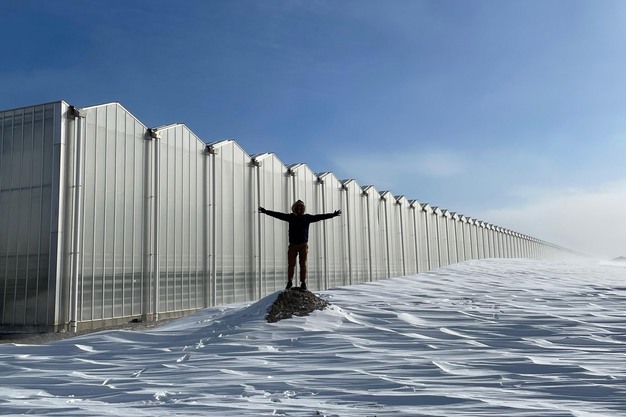
Kassius elaborates on the harsh climate conditions their greenhouses must withstand
Building a sustainable system
To maintain that passion without burning out, he emphasizes the importance of building reliable systems, both technological and personal. His own "no-burnout guide," as he calls it, involves a mix of automation, trust, and human connection.
"Build or fix a reliable system of sensors, a support network, technology, and accountability so you can sleep," he advises. "Make shorter days during the low season. Enjoy your family. Take long weekends when possible, knowing that your crop won't be dead because the irrigation system stopped for five hours while you were watching your kid's hockey match."
That balance, or rather integration, depends on communication at home as much as it does in the greenhouse. "Make sure your family understands that you're married both to your spouse and to your plants," he says. "There must be flexibility around you. That's how I found work-life integration, not 'balance.'"
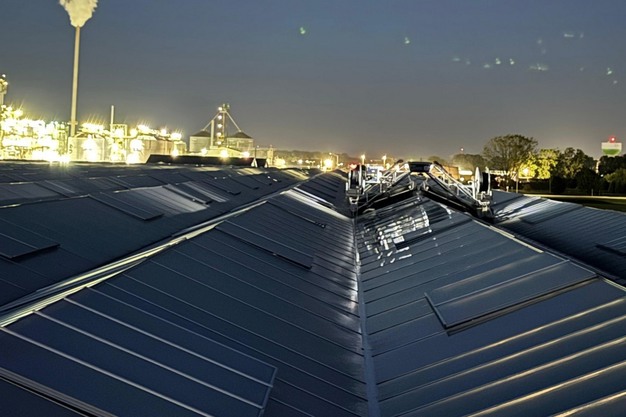 © Kassius RosaWorking at night to get roofs clean before winter
Managing the seasonal transition
As the year draws to a close, he describes October and November as the "grower depression months." After a busy September filled with supplier gatherings and conferences in Ontario, the shorter days and declining light levels signal a slowdown for conventional crops.
"While planning for next crops demands a lot of attention, it also pulls me away from the crop," he explains. "Meanwhile, sunlight and radiation are dropping, signaling to conventional crops that it's time to retire. Growers are usually synced to their crops, so they naturally lose some motivation to care for the fine details that keep the plants going strong to the end."
At Truly Green Farms, however, operations remain dynamic. "On the other side of the farm, I have a brand-new crop under artificial lights, planted in August, in all its splendor and might, ready to face the harsh Canadian winter and deliver above and beyond. Balancing both realities becomes challenging; my mind jumps from one greenhouse to another, always slower than I'd like it to."
 © Kassius Rosa
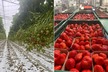
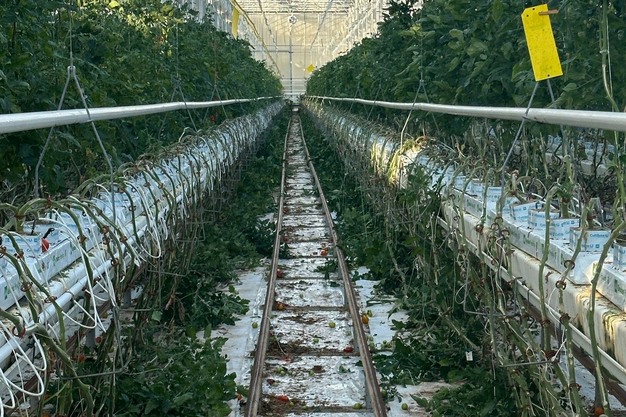
Time to kill the plants at the end of the cycle
The future holds technology and teamwork
When asked about what excites him most heading into 2026, he points to the evolving role of technology. "It might sound cliché, but I'm genuinely excited to see what AI companies are bringing to growers this next year," he says. "We're in the process of implementing several trials from different companies to see what fits us best."
While he acknowledges that automation and artificial intelligence are still in their "growing pains" stage, he sees them as essential tools for scaling precision and maintaining quality. "The organization is expanding constantly, and my reach has limits," he explains. "I need tools and systems that allow me to maintain detailed, high-performance growing across large-scale operations. For that, I count on effective technology partnered with passionate growers. Nobody beats that combination."
 © Kassius Rosa
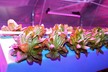
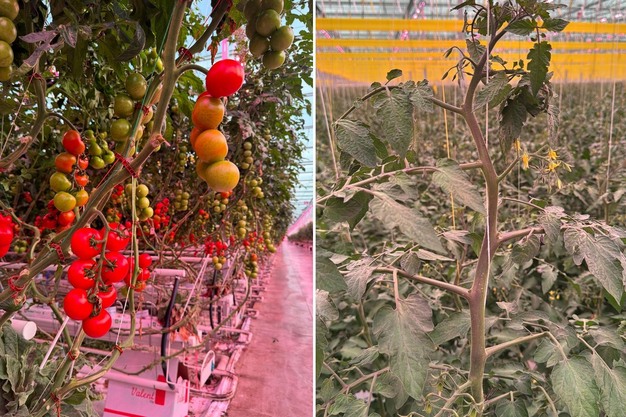
Kassius shares about the great clusters from the new crop under lights, and what great balance in the head of a tomato plant looks like
Continuous learning from the crop
Beyond technology, his focus remains firmly rooted in the fundamentals of growing. "I aim to spend much of my time fine-tuning the growing details in our crops, working closely with our multi-level growing team," he says. "There's never a shortage of learning opportunities when you mix growers at different stages of development (me included), new varieties, and variable weather conditions."
That ongoing curiosity, he believes, is what keeps the work fulfilling. "I'm genuinely excited to see what lessons the plants will teach us next season," he says. "Because, when it comes down to it, they're our true professors, and we can't afford to fail their class."
For more information:
Kassius Rosa
www.linkedin.com/in/kassiusar
[email protected]