“Food production is a big issue in China and urban residents are willing to pay more for clean and safe food,” Lim told TechNode. This gave him the idea to start the business in China.
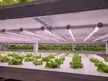
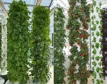
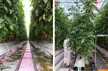
Hydra Biotech sells farming containers that have independent climate controlled modules and that can be equipped with hydroponics and aquaponics towers. One complete set, climate controlled module and essential hardware included, is sold for $58,000.
Lim knew this was too expensive for individual farmers and so he tried to partner with corporates, but they are not interested. “The agriculture companies have income from the government and have different priorities,” Lim said. “They are more interested in how to get more government subsidies.”
Another reason why this is difficult is that compared with the five-digit equipment Lim provides, agriculture is cheap in China. “Fertilizers, labor, and rent are very inexpensive,” Lim said. Lower-end restaurants don’t care that much about the quality of the food as long as they can have them at the lowest costs.
One of the biggest costs of running indoor farms, Lim said, is electricity, which will add to the overall cost of the vegetables. Electricity makes up 60 to 70% of the overall production costs and it’s not cheap in China or other places around the world, Lim said.