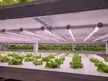
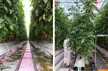
US: Vertical farming comes to Middle Tennessee
“I fell in love with it for several reasons,” Hitch says. “I know where my food is; I know what’s on it. I’m my own pest control, and I can just step outside in flip flops and pearls or high heels and we have salad every day.”
Lisa Wysocky, the executive director of an Ashland City nonprofit called Colby’s Army, plans to build a solar-powered vertical farm for charity on her property by May. Folks will be asked to pay what they can for the vegetables.
“We can grow food very quickly,” Wysocky says. “We’re looking at 1400 heads of lettuce or tomato plants that we can turn around every three weeks…and get produce out to people who need it the most.”
Tennessee Agriculture Commissioner Jai Templeton says state government doesn’t track vertical farming. Nor are there special regulations. Even companies looking to start commercial ventures say they won’t compete with traditional row crops. Their produce will cost more and be available in the off season. Templeton says he encourages the technique because of the limited impacts on water, air, and soil quality.
“It's an environmentally friendly method in many ways to produce local foods for a segment of the population who wants to know where their food comes from,” Templeton says. “It's not going to replace the traditional agriculture, but it has its place because the population is growing.”
Read more at WKNO FM