Indoor agriculture on the rise in the US
This was the first time the event, dubbed Indoor Ag Con, was held in New York, and it brought together the founders of alternative farming companies like BrightFarm, Aerofarms and Gotham Greens alongside technologists, lighting experts and researchers.
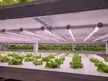
Indoor agriculture refers to an increasingly popular form of crop cultivation that happens inside, making it less of a traditional farm and more of a manufacturing facility. Where traditional farms rely on irrigation systems, soil and sunlight, indoor farms use LEDs or high pressure sodium lamps, and grow in hydroponic or aeroponic systems. Without bugs, proponents say, pesticides can be reduced and the overall product is not only more controlled but healthier.
Critics, however, warn that indoor agriculture is an energy-intensive way for companies to take over areas of food production where family farms and small businesses have excelled in recent years, as demand for local, organic products has increased.
Indoor agriculture is still in its infancy, but the CEO of Chicago-based FarmedHere, Matt Matros, signals a new type of food entrepreneur. Like a lot of people in the industry, Matros comes from a non-agriculture background. He worked as a brand manager at Kraft Foods, then went on to found the restaurant chain Protein Bar. After selling the company, he went on a sabbatical abroad, which got him thinking about the lack of access to fresh produce in many areas around the world.
Read the full article at The Guardian