There is currently a shortage in the pepper market, resulting in exceptionally high prices. Supply from importing countries is limited. Harvesting in Dutch greenhouses is underway, often with half-coloured peppers. The exceptional market situation is expected to continue for some time. "In the 14 years I have been in the business, I have not yet experienced this," says Hamid Haddouch of Chili & Pepper.
 © Chili & Pepper
Growing demand for Habanero Mash
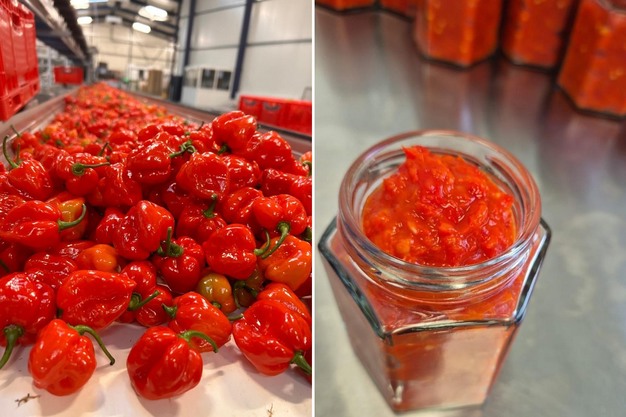
Hamid specialises in supplying fresh chillies, mainly Habanero, Fresno, and Madame Jeanette, but in recent years, he has also expanded his product range to include dried and mashed chillies. The latter product is new and is called Habanero Mash. "We have been doing this since last year. Two years back, we started it quietly. Since then, we have seen increasing demand for this product, which we supply year-round. We have really become a pepper specialist in all areas and are serving a wider market within the food industry."
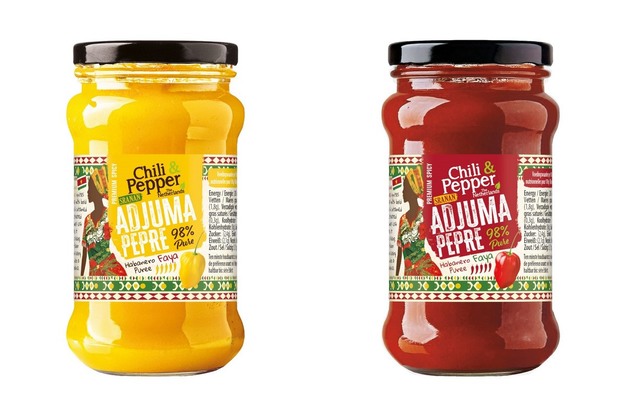
Habanero Mash is based on fresh habanero chillies. These chillies are ground, cooked, and processed into a final product suitable for industrial applications. Depending on customer demand, it can be supplied completely pure (100%) or with light additives. The product is used in various applications, including meat processing, sauces and marinades, spice blends, and food manufacturing.
 © Chili & Pepper
With this latest product, Hamid is targeting a specific group of consumers who enjoy very spicy food. "For the average consumer, Habanero Mash is very spicy, but there are plenty of consumers who can finish a jar in just a few days," he says. "We now have the product in its pure form, but also combined with ginger, which performs very well. It is very healthy and nicely spicy. That is how we develop flavours in collaboration with customers." Chili & Pepper has a dedicated machine line (see video below), which also fills the Habanero Mash into jars.
Demand for the product comes from several European countries, particularly from consumers who are traditionally accustomed to eating spicy food. "In the Netherlands, for example, this includes Surinamese cuisine, and abroad cuisines from India, Pakistan, and Africa, among others."
Challenging market situation
With fresh chillies in short supply, securing enough product is a challenge. With 14 years of experience, Hamid still manages to supply all his customers, including those for Habanero Mash. "There is demand, and I deliver," he says.
As reasons for the unusual market situation, Hamid points to several factors. The war in the Middle East plays a role, resulting in fewer flights from African origin countries, which affects the air freight of chillies. Morocco is also a major origin country. During the summer months, temperatures rose to 47 degrees, leading to losses of young plants. Growers have also faced floods and storms, which have destroyed greenhouses and crops. "As a result, supply is limited, although it is now starting to recover slightly. However, it remains minimal."
 © Chili & Pepper
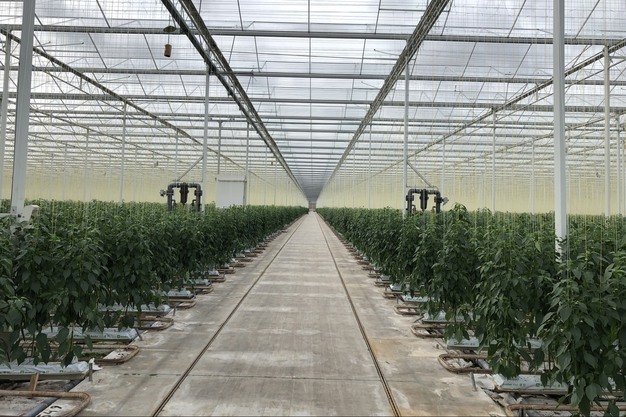
In the greenhouses of Dutch growers with whom Hamid has strong relationships, harvesting already began at the end of February. Demand for this local product is high. "We have never sold so many green/red chillies as this season," says Hamid. This means half-red chillies are already being harvested, suggesting the market shortage is expected to continue for some time. Soon, unheated greenhouses will also come into local production, but for now, the market remains quite empty.
Importing chillies from more distant origins is an alternative, but prices are also high there, Hamid notes. The Dominican Republic and Mexico also supply chillies, but mainly to the United States. For the Dominican Republic, an additional challenge is that each shipment now requires laboratory testing due to new regulations. This slows down the trade process and increases the cost of exporting to Europe.
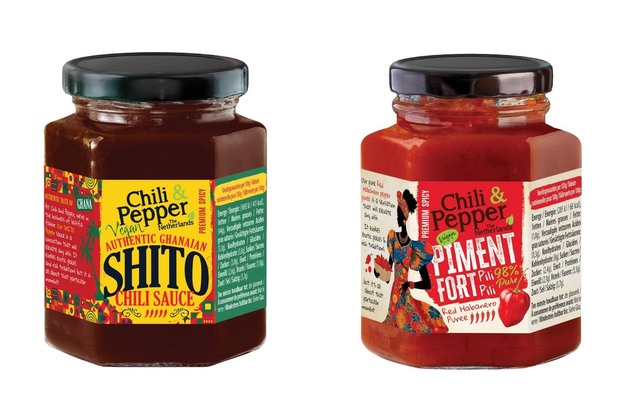
At Chili & Pepper, there is satisfaction that the Dutch season has resumed, and with fresh chillies as the foundation, an even broader range of pepper products will be marketed this year.
 © Chili & Pepper
For more information:
Hamid Haddouch
Chili & Pepper The Netherlands
[email protected]
www.chili-pepper.nl