In Almeria, where medium- and low-technology greenhouse structures dominate the agronomic landscape, new initiatives are emerging to close the long-standing gap between technological development and real field operations. Grodi, a company founded in 2022, is one of them, combining robotics, computer vision, and applied intelligence with a clear focus on operational utility.
 © Grodi
"Grodi has positioned itself as a solution integrator covering the complete process, from development through to field implementation, keeping all key capabilities in-house to ensure coherence between design and real-world application," explains Natalia Galvez. "That coherence is critical when you are working with systems that have to interact directly with the biological and operational complexity of a greenhouse."
A satellite eye, adapted to the realities of the crop
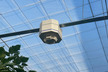
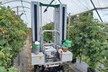
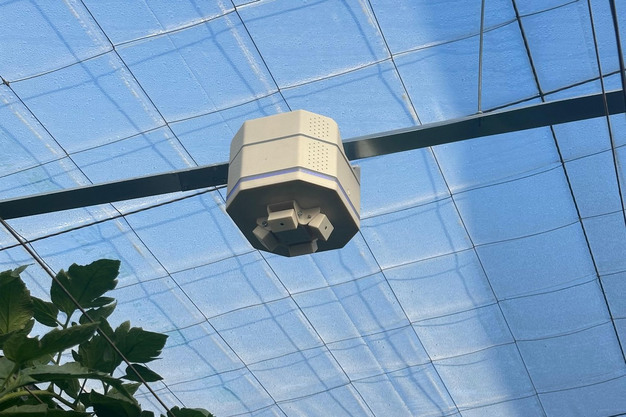
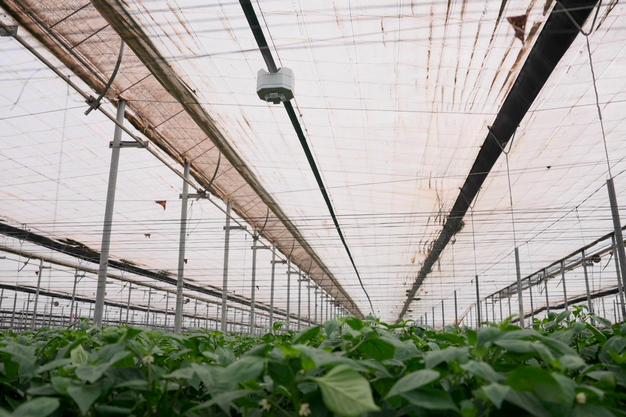
Named after both a star and the old term for the fertile lowland zones of Almeria, Vega 11 is the core of Grodi's offer. "This device, which functions as a kind of personal assistant for the farm, moves physically along the greenhouse structure via a rail system, allowing it to travel continuously through the crop while integrating cameras and sensors that capture variables such as temperature, humidity, and CO2 concentration, alongside visual data from each plant for subsequent analysis."
 © Grodi
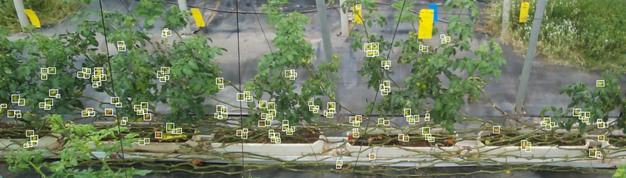
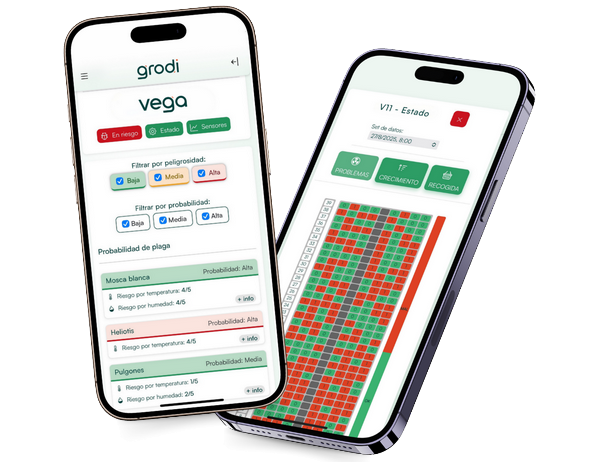
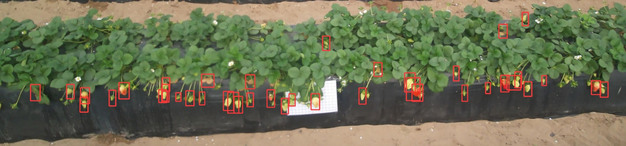
"From that data, the system builds an operational map of the greenhouse that translates the complexity of the crop into an accessible interface, where the grower can pinpoint infection hotspots, zones with water stress, or microclimatic variation, as well as determine fruit maturity status and plan harvesting more efficiently."
"This introduces a data-driven management layer that allows growers to move away from blanket approaches to crop protection treatments and toward targeted interventions, reducing both the environmental footprint and the operational costs associated with less precise decision-making."
 © Grodi
"The differentiating element of our technology lies in its adaptation to the dominant production model. More than 90% of greenhouses worldwide are low- or medium-technology structures, which has historically limited the adoption of advanced solutions designed for highly controlled environments like those in the Netherlands or the United States. That has created a disconnect between innovation and real-world applicability that Grodi is trying to resolve through a universal approach, capable of integrating into any technology level without requiring deep structural changes."
 © Grodi
"Every plant generates data, but the value is in turning it into operational decisions"
Vega draws on drone-based monitoring concepts, but adapts them to the physical constraints of the greenhouse environment, where battery life, navigation between crop rows, and operational safety make conventional drones unworkable. The result is a hybrid solution that, as Galvez describes it, "emulates satellite vision inside the greenhouse," but from a ground-level, continuous logic.
 © Grodi
Developing the technology required significant work to adapt it to different crops, particularly those that present the greatest visual complexity. "We train our own AI models, with support from agronomists, labeling images to improve accuracy, and we started with pepper because it is one of the most difficult crops, due to its leaf density and height," Galvez says.
"Perhaps because of that, pepper has been one of the crops where Grodi has seen the greatest uptake, alongside tomato, though the system can be used for any horticultural crop, as there are no limits to how it can be trained."
Grodi is already installed in greenhouses across Granada and Almeria, with commercial traction exceeding the startup's own expectations. "Our system has found greater acceptance than anticipated," Galvez says, "and this early commercial momentum validates both the value proposition and the strategy of building progressively within the domestic market, where there is still significant growth potential."
 © Grodi
 © GrodiFor more information:
Grodi
M. (+34) 614 48 10 12 / (+34) 614 46 59 61
[email protected]
https://groditech.com