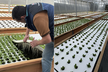
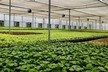
urope's vegetable garden is in Andalusia, southern Spain. It is so vast that it can even be seen from space: if you open Google Maps and look west of Almería, you will see a white patch that looks like a glacier, but as you zoom in, you realise it is the highest concentration of greenhouses in the world. More than 30,000 hectares (74,131 acres) of land are covered in plastic, a geometric labyrinth five times the size of Manhattan, where 3.5m tons of vegetables are produced every year – from tomatoes to cucumbers, peppers to courgettes, aubergines to melons – enough to feed half a billion people and generate a turnover of more than 3bn euros.
"We call it the 'sea of plastic'; it is the largest monument on the planet dedicated to food production," says Guadalupe López Díaz, project director of the Fundación Tecnova experimental centre. "But it is also a place devoted to innovation and development, elements that guarantee companies control and, above all, vegetables 12 months a year."
"Today, a sustainable technological revolution is under way," López Díaz continues, "a transformation focused on producing healthy, high-quality food using less water and energy, while remaining resilient to the impacts of climate change. Ultimately, the innovative and entrepreneurial spirit of our farmers has already transformed this land several times."
"Today, as the planet faces the dual challenge of feeding a growing population and protecting natural resources, Almería stands as a living laboratory of solutions."
Read more at The Guardian