Converting sugarcane waste to biofuel could become more environmentally friendly and cost effective, thanks to a joint project at The University of Queensland and the Indian Institute of Technology Delhi.
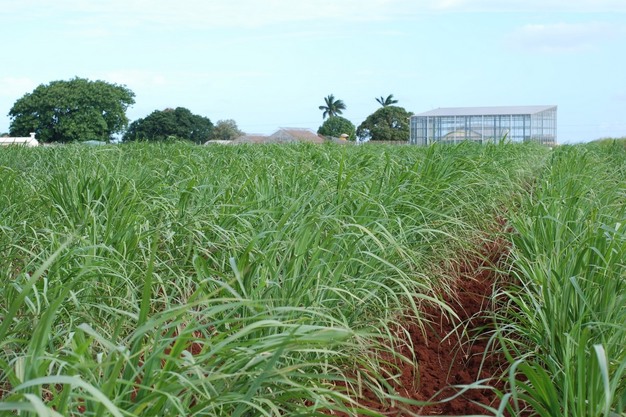 © Sugar Research AustraliaSugarcane at Meringa research station
PhD candidate Ms Neethu Joshikumar has successfully tested a process to simplify the preparation of sugarcane waste, known as bagasse.
"As most countries begin the transition to sustainable fuel, the focus has turned to creating biofuels from agricultural waste but there are still challenges we need to overcome," Ms Joshikumar said.
"A key problem in making biofuels from bagasse is the presence of lignin, a stubborn component that makes it harder to access the fermentable sugars in bagasse.
"Conventional ethanol production involves soaking the bagasse to remove the lignin and isolate the cellulose, which requires toxic and expensive acids plus a lot of water.
"My research focuses on an alternative pre-treatment to see if we can cut costs and reduce the environmental impact of the conversion process.
"I used deep eutectic solvent (DES), an eco-friendly biodegradable liquid.
"Unlike the acids it doesn't kill the enzymes and the yeast needed for fermentation allowing me to complete the entire step in one pot without separation or water washing.
"This reduced the required electricity and time."
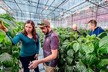
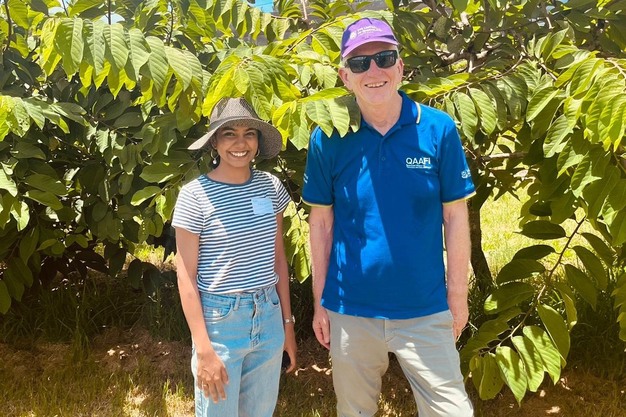 © University of QueenslandNeethu Joshikumar and supervisor Emeritus Prof Robert Henry
Ms Joshikumar also analysed different sugarcane varieties and found that higher cellulose and lower lignin content gave the best ethanol yield.
Modelling shows when integrated with a sugar mill, the DES-based one-pot bioethanol production is both economically competitive and environmentally sustainable.
Ms Joshikumar said taking a significant step forward to solve a major problem was extremely gratifying.
"Where I'm from in India, farmers burn the agricultural waste every year to get the land ready for the next crop and that causes extensive air pollution," she said.
"It's very rewarding to know that my research could result in a better use for that waste and help solve climate issues, as well as speed up the conversion of biofuel."
Ms Joshikumar started the work and it will be continued by UQ's ARC Research Hub for Engineering Plants to Replace Fossil Carbon, which is focusing on improving plant biomass to simplify the process of producing sustainable aviation fuel.
The research was published in Biofuels, Bioproducts and Biorefining.
For more information:
The University of Queensland
uq.edu.au/