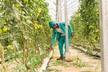
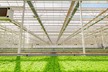
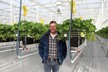
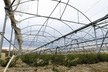
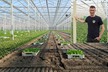
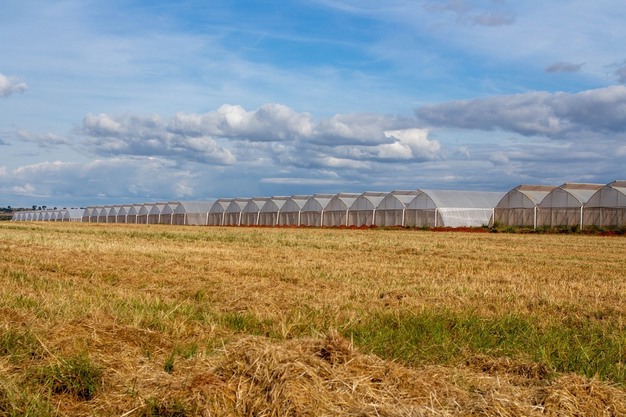
GBI Greenhouse Limited (GGL), a 30-hectare operation near Kamuzu International Airport, has established itself as a benchmark for CEA in Malawi, supported by its private-sector partner, Inosselia Commercial.
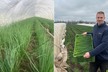
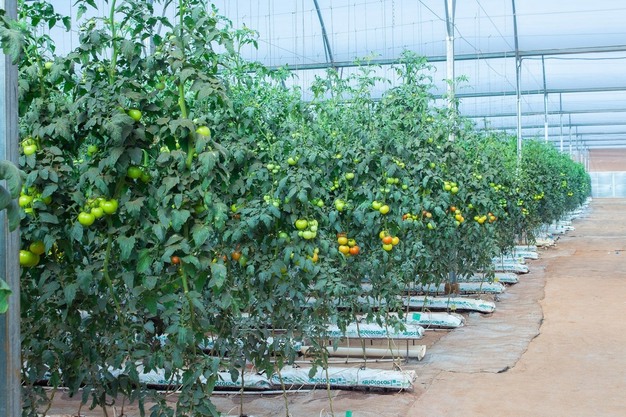
Since its inception in 2019, the company has deployed 16 hectares of high-tech greenhouse infrastructure, incorporating soilless growing media, fertigation systems, and advanced irrigation technologies. This model enables year-round production of high-value crops such as bell peppers, tomatoes, watermelons, and butternuts, while also supporting seasonal vegetables including lettuce, broccoli, and cauliflower.
The company's team notes that "the farm is operating sustainably and maintaining financial stability," attributing performance to precision irrigation and resource-efficient systems. With reported water savings of 30% and energy reductions of 40% through solar integration, the operation reflects a growing shift toward climate-smart agriculture in Southern Africa.
 © GGL Farm
Import substitution and export growth
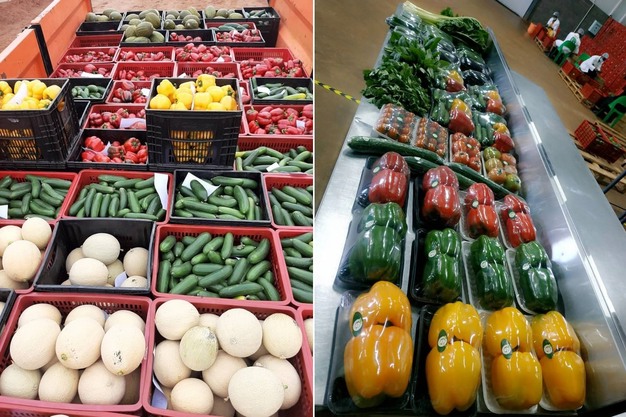
One of the most notable impacts of the greenhouse model has been import substitution. Historically reliant on South African produce, Malawi is now increasingly self-sufficient in premium vegetables. GGL supplies a wide network of domestic off-takers, including supermarkets, hospitality operators, and food service outlets, ensuring consistent quality and supply.
At the same time, export volumes are expanding. The company has shipped over 1,100 tons of bell peppers to regional markets over the past two years, demonstrating the competitiveness of Malawian greenhouse produce. The company's team emphasizes that local demand has also strengthened, noting, "We are thankful for the massive support Malawians have shown to our business," highlighting the role of domestic market confidence in scaling operations.
 © GGL Farm
Integrated value chain and quality standards
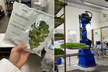
Beyond production, the operation integrates grading, packing, cold storage, and logistics systems to maintain quality standards across the supply chain. This end-to-end approach aligns with broader national goals of improving agricultural value addition and competitiveness.
The company's model illustrates how controlled-environment agriculture can deliver uniformity, traceability, and compliance with high-end retail specifications. The team notes that consistent grading and timely delivery have enabled the company to replace previously imported produce, while also setting benchmarks that smaller producers can emulate.
 © GGL Farm
Alignment with national development strategy
The project closely aligns with Malawi's agricultural development priorities, particularly in irrigation expansion, mechanization, and value chain development. Inosselia Commercial intentionally structured it in partnership with the Government of Malawi to support national policy objectives.
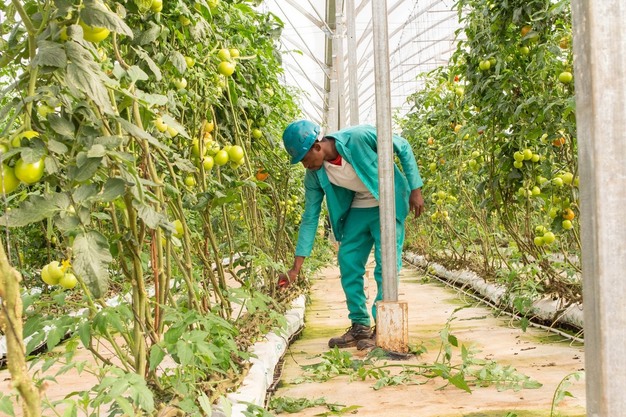
The company's team highlights that the initiative was designed to "generate value added to Malawi's economy, create productive employment opportunities, enhance on-farm knowledge transfer, and operate efficient CSR programs." With over 100 families supported through employment and training, the operation also contributes to rural livelihoods and workforce development.
A dedicated training center plays a key role in knowledge dissemination, offering technical skills development for farmers, students, and institutional stakeholders. This reinforces the importance of capacity building alongside infrastructure investment in modern horticulture systems.
 © GGL Farm
Public–private collaboration as a catalyst
The success of the greenhouse enterprise is underpinned by a joint venture model between Inosselia Commercial and the Government of Malawi. This collaboration has enabled capital-intensive infrastructure development while ensuring alignment with national policy objectives.
The company's team underscores that "both sides recognize that working together is the key to success," pointing to the importance of coordinated investment frameworks in scaling advanced agricultural systems. This model is increasingly viewed as replicable for other agribusiness ventures in emerging markets.
Operational challenges and future outlook
Despite strong performance, the operation faces constraints linked to foreign exchange availability. "Dependence on imported inputs, including greenhouse materials, irrigation components, and specialized nutrients, creates vulnerability to forex shortages."
The company's team stresses the time-sensitive nature of horticulture, noting that "farming is about timing. If we miss a season, we risk losing market share and revenue." Addressing input supply chain risks will be critical to sustaining growth and maintaining export competitiveness.
Looking ahead, the company is preparing for a transition in management structure as the current contract with Inosselia Commercial approaches conclusion in 2027. A long-term operational framework is under development to ensure continuity, resilience, and local capacity strengthening.
For more information:
GGL Farm
tel:+265982113733
https://wa.me/265982113733
[email protected]
https://gglfarm.com/