Following the global spread of Tomato Brown Rugose Fruit Virus (ToBRFV), tomato growers required effective solutions to maintain production. Plant breeding company Enza Zaden reports that it developed 18 tomato varieties with high resistance to ToBRFV within a seven-year period. The methodology behind this breeding programme has been published in the peer-reviewed journal Breeding Science.
ToBRFV: ongoing challenge for protected cultivation
ToBRFV, first identified around 2015, has spread across major tomato-producing regions worldwide. The virus is mechanically transmitted and characterised by high persistence, increasing the risk of rapid dissemination within greenhouse environments.
Infected crops may produce unmarketable fruit, creating both agronomic and economic challenges for growers. The rapid spread and impact of the virus have required adjustments in crop management and varietal selection strategies.
 © Enza Zaden
Breeding response and varietal development
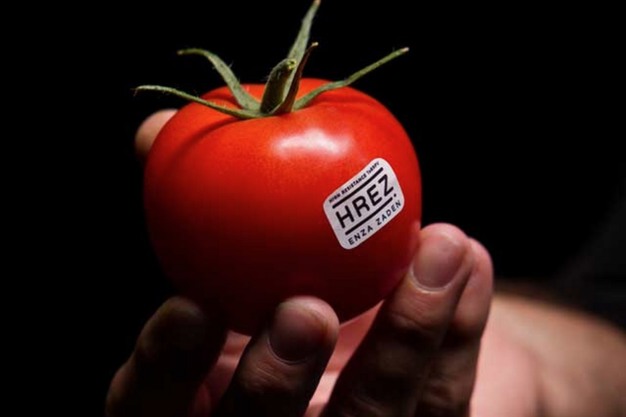
According to Enza Zaden, the company was the first to commercialise tomato varieties with high resistance to ToBRFV. The breeding programme combined conventional breeding approaches with molecular tools and was conducted over a seven-year timeframe.
"Our objective was to provide growers with reliable varietal solutions as quickly as possible under significant time pressure," the Enza Zaden team stated.
Methodology and enabling technologies
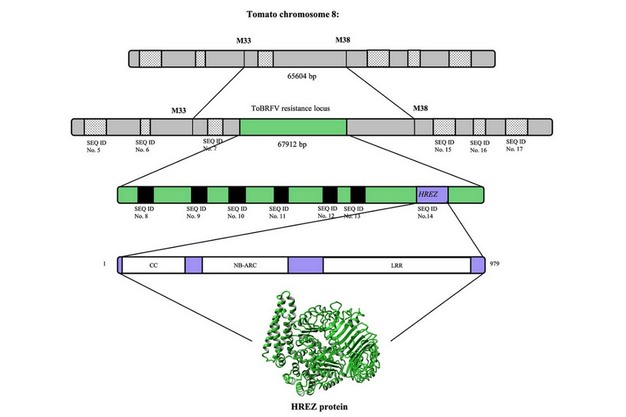
The published study by Walter and colleagues outlines the breeding strategy used to accelerate resistance development. Marker-assisted selection played a key role, enabling more precise identification and selection of resistance traits.
The authors also highlight the importance of understanding the biological mechanism of resistance, particularly in relation to virus evolution. "Insight into the resistance mechanism allows us to better anticipate how the virus may develop and how resistance can remain effective," the team noted.
 © Enza Zaden
Implications for greenhouse tomato production
High-resistance varieties provide an additional tool for managing ToBRFV risk in greenhouse systems. These varieties can support continued production in affected regions and help reduce potential crop losses.
The resistance mechanism operates through a plant-level recognition system that triggers a localised cell death response upon detection of the virus. This process limits virus replication and spread within the plant.
According to the Enza Zaden team, "this type of resistance contributes to lowering virus pressure within the crop and supports more stable production under ToBRFV conditions."
Collaboration and knowledge sharing
The company attributes the development to coordinated efforts across breeding, research, seed production, and commercial teams.
Publication of the methodology in Breeding Science contributes to broader industry knowledge. "Sharing these insights supports ongoing innovation and helps the sector respond more effectively to emerging plant health challenges," the team stated.
The full paper by Walter and colleagues is available in Breeding Science and provides detailed insight into the breeding approach and technologies applied.
For more information:
Enza Zaden
[email protected]
www.enzazaden.com