Consumer behavior, retail dynamics, and production efficiency increasingly shape varietal development. At Mastronardi Produce, recent innovations in greenhouse-grown tomatoes and specialty crops illustrate how these factors are converging to influence both breeding priorities and product design.
New tomato concepts target visibility and consumption habits
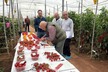
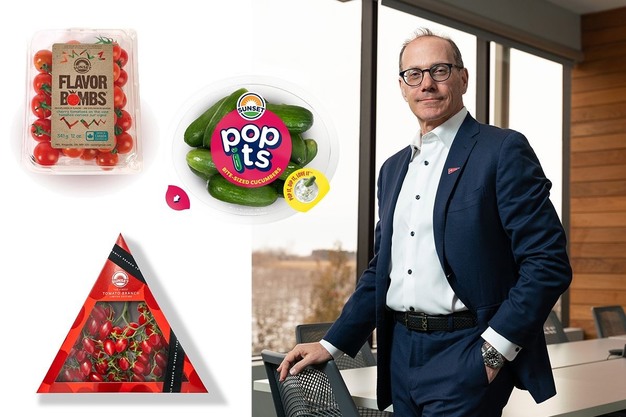
At the company's research facilities, ongoing varietal trials have led to the introduction of new concepts aimed at differentiating greenhouse produce at the point of consumption. As David Einstandig, Senior Vice President and General Counsel, explains, "We trial numerous tomato varieties all the time. Recently, we developed and launched the SUNSET® Tomato Branch. These vibrant red micro-grape tomatoes are packaged and sold on-the-vine, creating a stunning presentation different from other on-the-vine tomatoes currently on the market."
Beyond visual differentiation, the product was designed in response to post-purchase behavior. David notes that this new product addresses a variety of consumer needs. "Tomatoes often get hidden in kitchens, forgotten, and wasted."
By encouraging countertop display, the product aims to reduce food waste while aligning with a broader shift toward showcasing fresh produce in the home. The concept also reflects two key growth segments: micro-varieties and on-the-vine snacking.
Balancing flavor, shelf life, and snacking trends
Balancing traits such as flavor, shelf life, and size remains central to the company's development pipeline. "Our product development is rooted in consumer behaviors and trends. We're constantly adjusting our pipeline to meet consumer needs."
He highlights that "right now, the growth is in bite-size snacking tomatoes," driven by consumers seeking healthier, less processed foods. These formats support multiple eating occasions while maintaining strong flavor profiles. As a result, greenhouse breeding programs are increasingly prioritizing compact varieties that deliver both taste and convenience.
 © Mastronardi
Growth in on-the-vine and convenience segments
Within the snacking category, on-the-vine tomatoes have shown significant momentum. "We've seen huge growth in the on-the-vine snacking tomato segment as consumers are seeking out flavorful produce," David says. He adds that the SUNSET® BOMBS® portfolio continues to perform strongly due to high flavor and consistent quality.
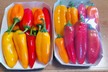
Additional growth is evident in seedless mini-peppers, which address convenience-focused consumption. Their small size and lack of seeds reduce preparation time, making them suitable for snacking, lunch applications, and cooking. This is also a broader consumer preference for products that combine health benefits with ease of use.
Collaborative product development across the value chain
Product innovation is closely tied to collaboration between growers, retailers, and marketers. "We're constantly collaborating with our growers and retailers to bring unique products to market based on consumer insights."
This approach was central to the development of Pop Its™ cucumbers, a snack-sized product designed for portability. "Consumers are increasingly looking for easy, healthy, on-the-go snacking options," he notes. At the same time, input from growers influenced agronomic traits. "They were looking for something with a high-yield and quick turnaround," he explains explains, resulting in a product that aligns with both production and market requirements.
Packaging innovation supports freshness and sustainability
Packaging plays an increasingly important role in product performance and differentiation. Recent developments focus on extending shelf life, improving portability, and enhancing shelf visibility.
David highlights the oval cup used for Pop Its™ cucumbers, noting that the new shape stands out on the shelf, and the new packaging keeps the cucumbers fresher longer, helping to prevent food waste. The format is designed to support grab-and-go consumption while maintaining product quality.
Sustainability is also a key consideration. A recently introduced paper-based lettuce bag under the Backyard Farms® brand reduces material usage while maintaining freshness. According to David, the packaging contains 65% less plastic than a traditional PET tray with top seal, and includes a resealable closure, representing a shift in CEA lettuce packaging formats.
CEA expansion and the ongoing focus on flavor
Looking ahead, broader industry trends are expected to influence future varietal development. "We continue to see a shift from field-grown to CEA-grown produce," David mentions, noting increased consumer awareness and trust in greenhouse systems.
This transition is creating opportunities to expand greenhouse production beyond traditional crops. At the same time, flavor remains a defining factor. "We believe flavor remains a key consumer differentiator between field and greenhouse," he explains, emphasizing continued collaboration with seed partners to meet evolving expectations.
 For more information:
Amanda Orr
Mastronardi Produce
[email protected]
https://www.sunsetgrown.com/