Europe is entering a new stage in plant breeding. A political agreement reached between the Council of the European Union and the European Parliament on new genomic techniques (NGT) marks a turning point after years of regulatory debate, opening the door to the future commercialization of genetically edited crops. This shift comes amid intense activity in the biotech sector, where companies and research centers are already preparing for the new legal framework.
The regulation aims to strengthen the competitiveness of the European agri-food system, promote sustainability, and reduce external dependence, while maintaining high levels of health and environmental protection.
A new framework for technologies long in limbo
New genomic techniques include genetic improvement tools developed since the 2001 EU GMO regulation. These technologies allow precise, rapid, and targeted DNA modifications, introducing changes that in many cases could occur naturally or via conventional breeding.
The European agreement introduces a key differentiation:
- NGT Category 1: plants equivalent to those obtained through traditional breeding, with a simplified procedure and no labeling of the final product.
- NGT Category 2: more complex modifications subject to risk assessment, authorization, and labeling as GMOs.
The goal is to enable crops that are more resilient, require fewer fertilizers and pesticides, and contribute to food security and the European Green Deal.
 © Madeinplant
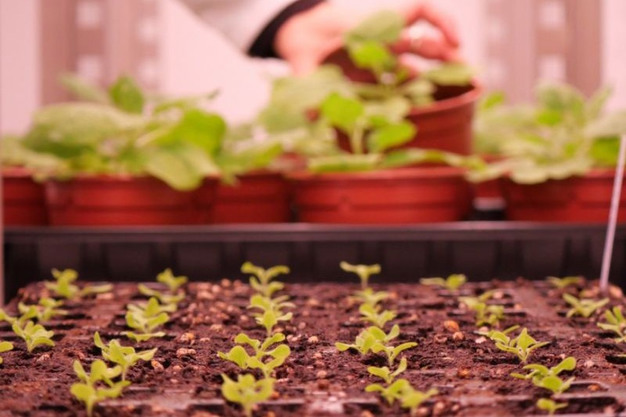
For Federico Grau, manager of Madeinplant, the regulatory change comes after years of uncertainty. "NGTs include all genomic technologies developed since 2001, and the turning point came with the emergence of CRISPR-Cas around 2015," he explains, recalling that the system was discovered by Spanish scientist Francisco Mojica and later developed as a genetic editing tool. "The 2018 ruling by the European Court of Justice, which included these techniques under the GMO framework, slowed European competitiveness compared to other regions."
"The new regulation corrects the inconsistency of treating plants indistinguishable from conventionally bred varieties differently, opening the door for commercial use in Europe," Grau adds.
Adapting crops to an already changed environment
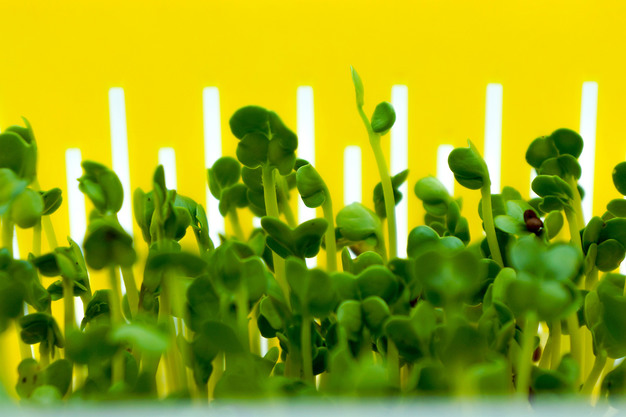
European agriculture faces a pressing challenge: plants are sessile and cannot escape changing conditions. "Either we adapt crops to change, or we change the crop," he notes. Gene editing allows the introduction of targeted allelic variations to confer drought, salinity, or disease resistance, and improve productivity with fewer pesticides, within an increasingly restrictive regulatory environment. NGTs are therefore considered essential to maintaining agricultural profitability.
 © Jirawan Sawangsuk | Dreamstime
Traditional breeding programs can take 10–15 years, whereas gene editing allows the direct reproduction of desired genetic variations without lengthy backcrossing. Madeinplant is currently working on biofortification and color modification of traditional tomato varieties, such as Mutxamiel, to introduce nutritional compounds and distinctive fruit coloration.
"While domesticating the original tomato in Europe took centuries, with gene editing we can achieve the desired traits in just two years," Grau emphasizes.
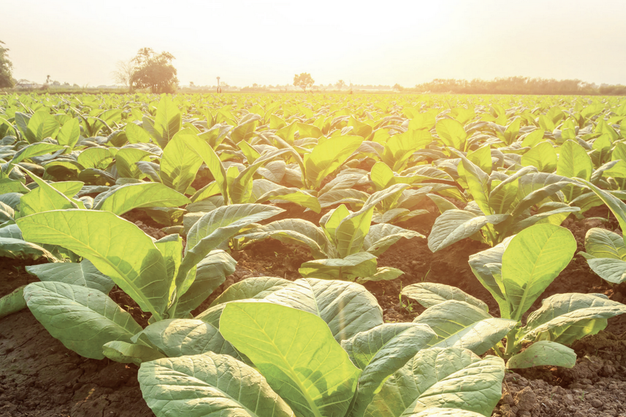
Madeinplant also uses plants as "biofactories" to produce compounds for pharmaceutical and cosmetic industries, working with Nicotiana species to generate specific molecules via gene editing. In 2025, in collaboration with AVA-ASAJA, the company conducted its first field trial in the Valencian Community with a genetically edited plant, marking a milestone for industrial applications.
 © Madeinplant
Patents, licensing, and technological sovereignty
The development of NGTs in Europe is closely tied to intellectual property. Much of the key gene editing technology, especially CRISPR-Cas, has been developed and patented primarily in the United States over the last decade, with commercial licenses often costly or restrictive. Academic licenses frequently do not allow registration of commercial varieties, prompting European companies like Madeinplant to develop proprietary technologies to offer complete solutions, from molecular design to variety registration.
The new EU regulation includes transparency measures on patents and a group of experts to assess their impact on seed access and innovation. It is seen as a step toward closing the gap with regions where these technologies are already widely used, accelerating the development of varieties resistant to drought, heat stress, and emerging pests, and strengthening the stability of Europe's food supply.
"For the biotech sector, the message is clear: the transition from research to application has begun. Our goal is equally clear: to position ourselves as a reference for gene editing in Europe," concludes Federico Grau.
 © MadeinplantFor more information:
Madeinplant
Building 5, University of Valencia Science Park
Carrer del Catedràtic Agustín Escardino Benlloch, 9
46980 Paterna, Valencia
[email protected]
https://madeinplant.com/