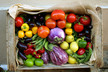
In 2026, Bejo marks its 30th anniversary as a pioneer in the organic seed sector. Bejo began investing in organic seed production in the 1990s, when the market was still small and uncertain. At the time, demand was limited, seed quality was often questioned, and organic production requirements were complex. Despite these challenges, the company saw the long-term societal and environmental value of organic farming and chose to move forward. It introduced its first organic varieties and established a dedicated business unit, becoming one of the first breeders to integrate organic activities into its organization fully.
 © Bejo Zaden
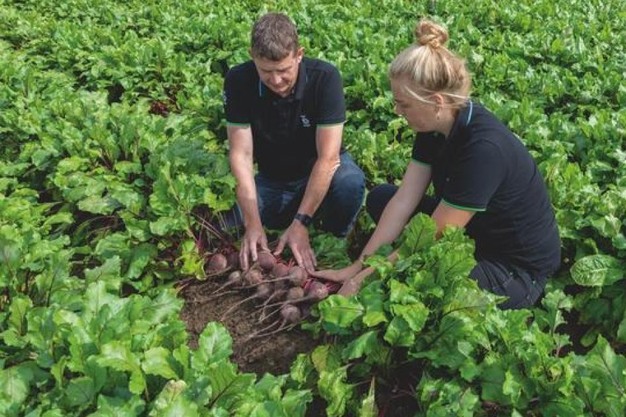
As a family business that both produces vegetable seeds and grows crops, Bejo understands the importance of healthy soil and responsible resource use. The company views organic farming as a key contributor to sustainable food production, while also recognizing that organic and conventional systems can learn from each other. Over the years, Bejo has invested heavily in innovations such as non-chemical seed treatments and sustainable cultivation methods. Techniques like hot water and steam treatments have replaced chemical seed treatments in many cases. Natural approaches to disease and pest control have also been developed. Many of these innovations now benefit conventional farming as well, strengthening sustainability across the entire organization.
 © Bejo Zaden
Producing both organic and conventional seeds has created valuable exchange between the two systems. Organic practices inspire improvements in conventional production, while the infrastructure and expertise from conventional breeding support the organic segment. By combining breeding programs and using a broad genetic base alongside modern technologies, Bejo accelerates progress in both areas. The company was among the first to introduce mildew-resistant onion varieties such as Hylander and Redlander, which are now widely grown by both organic and conventional producers.
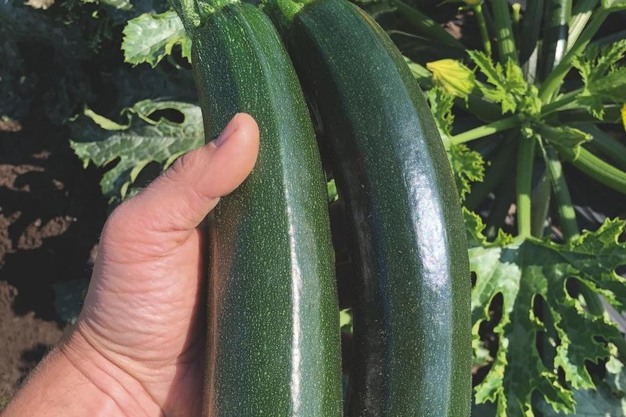
Today, Bejo's organic portfolio includes more than 30 crops and over 150 varieties, each selected for performance under organic conditions. New varieties undergo extensive field trials to ensure strength, uniformity, disease resistance, and reliable yields. Examples include the zucchini Onega, known for tolerance to downy mildew and viruses, and the CMS-free cauliflower Alcantara. At the same time, Bejo emphasizes that successful organic production depends on a balanced farming system with healthy soil, plants, and beneficial insects.
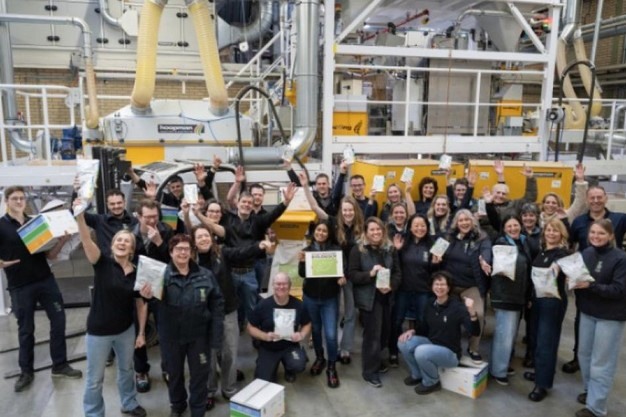
"Our mission is to make high quality vegetable seeds available worldwide for healthy cultivation, now and in the future. For us, the organic sector holds a special place in this regard," says John-Pieter Schipper, Managing Director of Bejo. "We continue to invest in a strong organization, knowledge and expertise to meet the challenges of organic seed production and to optimally support growers."
 © Bejo Zaden
Although the organic market has matured, it faces challenges such as market volatility, stricter regulations, and consumer perceptions of organic food as a luxury product. Regulations, particularly in Europe, require cultivation from organic seed. As an organic seed grower itself, Bejo understands these complexities and remains active in international platforms to support the sector.
For more information: Bejo
Bejo
E [email protected]
www.bejo.com