Today, farmers are faced with a vast number of registered formulations on the market, many of them conveying very similar messages. This abundance of solutions means that farmers, technicians and distributors are increasingly struggling to identify which product or strategy is truly the most suitable for their crop, soil and management system.
"From Neval, we observe the message that is being conveyed to us. In this context, the real value is not only in being present on the market, but in backing solutions with strategic comparative trials. Trials that not only demonstrate that a product works, but that allow its performance to be compared against standard strategies already in use and clearly show what improvement it brings," the company explains.
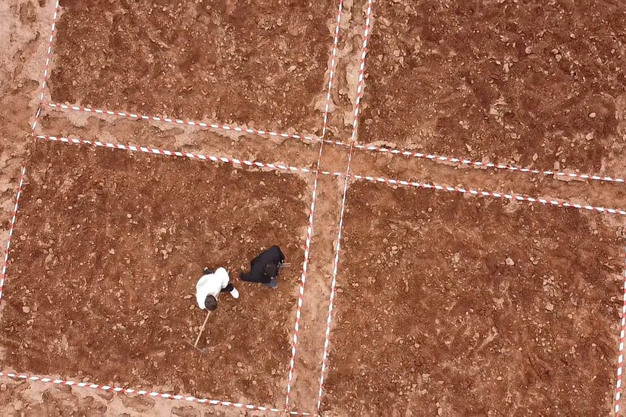
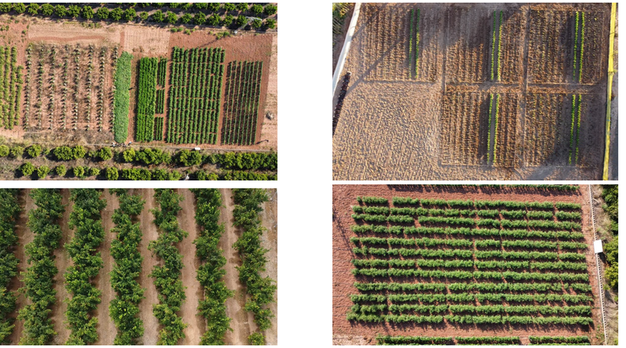
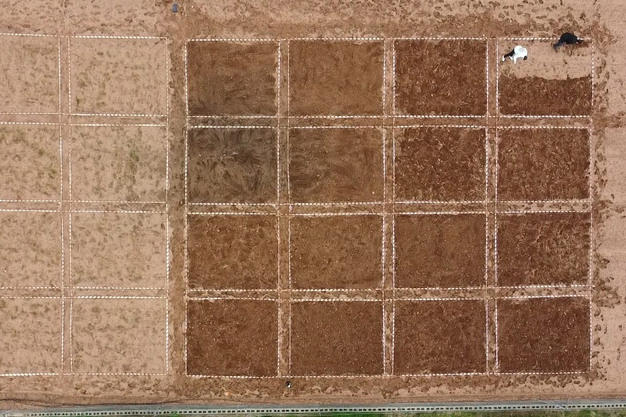 © NEVALManually applied basal fertilisation trials carried out on plots for the European registration of biostimulants
This type of trial makes it easier to demonstrate real improvements in parameters such as biomass, photosynthetic efficiency, root development, earliness or the plant's ability to make use of nutrients already present in the soil. When these results are properly quantified, farmers can understand the real gain compared to known alternatives, and technicians can support their recommendations with solid and credible data.
"But the truth is that this is not always the case, and there is a tendency to prioritise quick solutions and better prices. This causes the market to become saturated and collapse, products go unnoticed, and that is a shame. There is also a need to support the side of providing information for sales," they add.
When it comes to crop protection, a very similar evolution can be observed, "with a notable growth in biological and low risk solutions," they point out. "However, as with nutrition, the key is no longer just having new solutions available, but knowing how to integrate them correctly into an effective crop strategy."
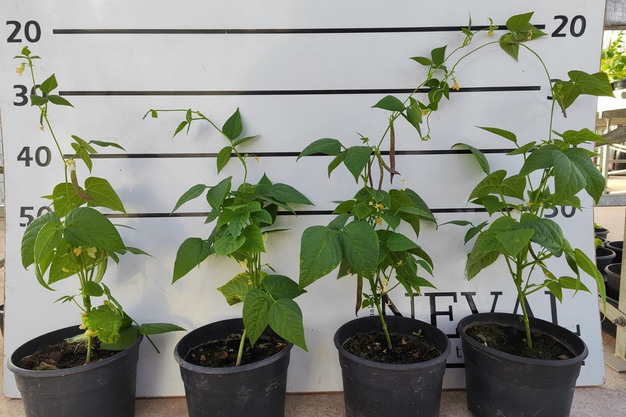
"From our experience, it is essential to differentiate between defence and attack against the pathogen, because biocontrol is very different from conventional control. Therefore, the solutions that manage to consolidate themselves in the market are those that have been validated in comparison with reference strategies, demonstrating their effectiveness under real conditions and not only in ideal scenarios. This validation is what generates trust among technicians and farmers and allows a solution to remain over time."
 © NEVAL
Preventive solutions versus curative ones
"In the development of new products, the trend points towards an increase in preventive solutions, similar to prebiotics and probiotics in humans," Neval continues. "There is a clear tendency to prioritise strengthening plant physiology as the basis of management strategies, understanding that a well nourished plant, with a functional root system and a balanced soil, responds better to stress situations."
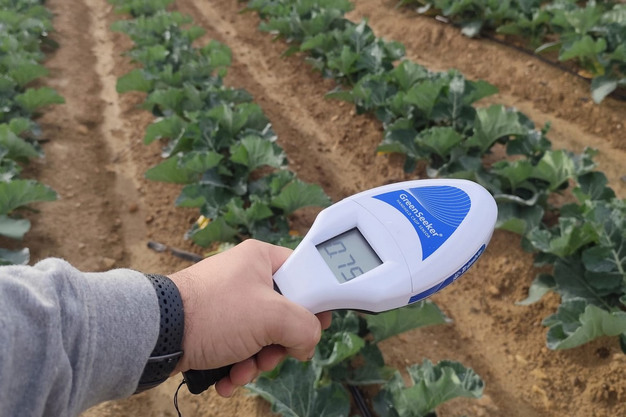
"This approach does not eliminate the use of curative solutions, but it can place them within a broader, preventive strategy, where the objective is to improve overall crop performance. For this type of strategy to be credible in the field, it is essential to have well designed trials that demonstrate these effects objectively, and of course to understand the soil health pyramid."
 © NEVAL
Nematodes as key organisms in the soil health pyramid
One of the elements that form part of that soil health pyramid is nematodes, which are positioned as key organisms within the mesofauna. Neval is a reference in nematology and in research into the role of nematodes as indicators of biological balance in soil.
In a healthy soil, the presence and diversity of nematodes is not a problem, but rather a symptom of biological activity. Risk appears when the system loses balance and phytoparasitic nematodes dominate, generally associated with monocropping, low microbial biodiversity or soil stress.
"In intensive greenhouse production, especially in sandy areas or with low crop rotation, nematodes remain a key limiting factor. Beyond the direct damage caused by phytoparasitic nematodes, we observe a progressive loss of the soil's biological balance."
"At Neval, we use nematology not only as a control tool, but as an indicator of the functional state of the soil, which allows us to anticipate problems and design more effective strategies adapted to each production system. Having a higher number of fungivorous or bacterivorous nematodes tells us different things about the soil and allows us to understand what is happening, whether there is excessive fertilisation or overuse of chemicals."
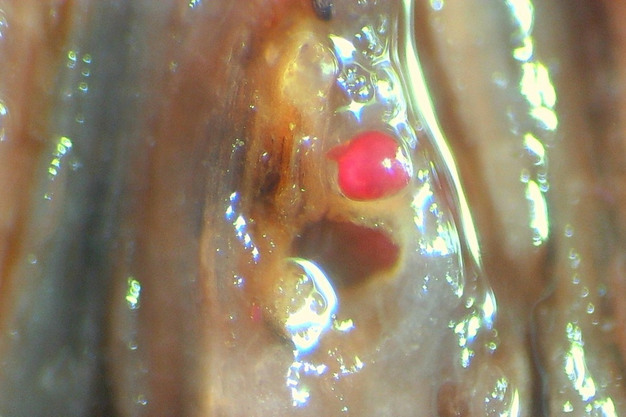 © NEVALTylenchulus semipenetrans, a phytopathogenic nematode species
Regulatory and technical challenges in product development
Today, one of the main challenges in the development of new plant protection products or biostimulants is the coexistence of two different regulatory frameworks. "On the one hand, plant protection products regulated by Regulation (EC) No 1107/2009, and on the other, fertilisers and biostimulants regulated by Regulation (EU) 2019/1009. Both frameworks respond to different objectives, but in practice they converge on the same point: plant physiology."
 © NEVAL
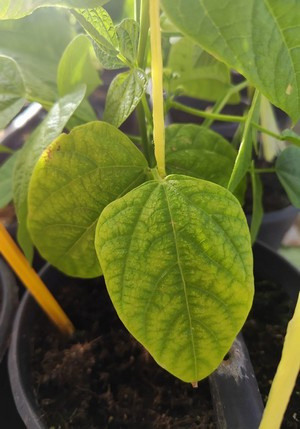
"From an agronomic point of view, abiotic and biotic stresses are closely interrelated. Many current solutions do not act directly on the pathogen, but improve key physiological processes such as nutrient use efficiency, root architecture, plant tissue integrity or the plant's metabolic capacity. These improvements can translate into greater crop resilience to different stress situations."
"However, the regulatory fit of these solutions depends largely on the intended use and the type of claim associated with the product, placing many innovations in a 'borderline' area between both regulations. This situation generates legitimate doubts for developing companies, especially when working with microorganisms, PGPR or physiological induction strategies."
"From Neval, we understand this debate as a necessity for the sector and, above all, for our clients. Therefore, our approach is not to interpret regulation, but to help design trials and validation strategies consistent with the chosen regulatory framework, measuring objective, comparable and defensible physiological variables."
 © NEVAL
"We do not understand trials as an isolated service, but as a shared process"
Neval is a company specialised in efficacy trials, nematology and the strategic validation of agricultural solutions, with a clear international vocation. "We operate actively both in Spain and in the Netherlands, and collaborate with universities, companies, distributors and technical groups in different markets worldwide."
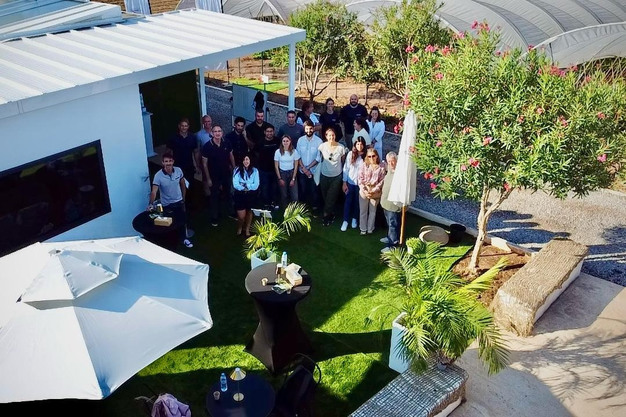
"Our working model is based on impeccable communication with the client. We do not understand trials as an isolated service, but as a shared process. We are present so that the client feels we are part of their team, continuously communicating both the difficulties detected and the improvements needed to optimise the strategy and the final results."
 © NEVAL
"One of our major differentiating values is our deep knowledge of the market and real demand, thanks to our experience working closely with distributors and field technicians. This forces us to be extremely objective: it is not about demonstrating textbook science, but about generating the evidence needed for a solution to work, be defended and be sold under real conditions."
"In terms of internationalisation, for us it means continuing to consolidate collaborations outside Spain and participating in European projects, with the aim of strengthening our positioning as an independent technical partner of reference. Our goal is clear: to help ensure that solutions reaching the market are backed by solid, comparative and credible data, aligning innovation, regulation and agronomic reality."
 © NEVAL
For more information:
Neval
Camí Horts, s/n, 12592, Xilxes, Castellón, Spain
T. 610 345 356
[email protected]
www.ne-val.com