In a context marked by climate change, health pressures and rapidly changing consumer expectations, lettuce needs to adapt more than ever. For Bejo, these challenges make variety selection a major strategic lever to secure production and support the sector in the long term.
 © Bejo
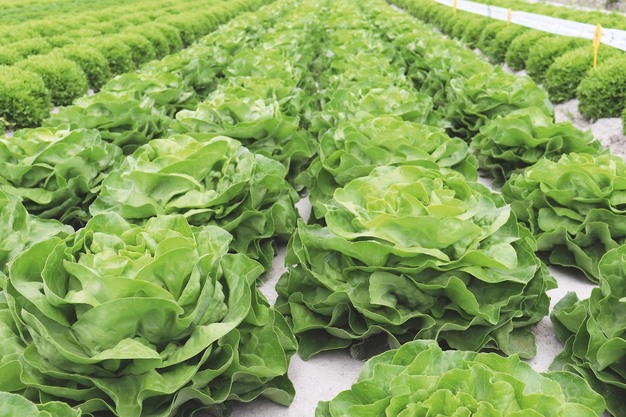
Francis lettuce
Bejo, which has traditionally had a strong presence in leafy varieties, has now added lettuce to its range in order to broaden its offer and improve its understanding of markets. "The synergy between lettuce and the other species in our range - onions, carrots, cabbage and beetroots - gives us an overall view of the vegetable market on a global scale," explains Christelle Guyonvarch, head of salads and baby greens at Bejo. Although lettuce has a fast cycle, its varietal creation process remains lengthy. "It takes around eight years to develop a new variety in a conventional program." This gives us time to integrate new characteristics, observe behavior under real conditions and anticipate medium and long-term market needs.
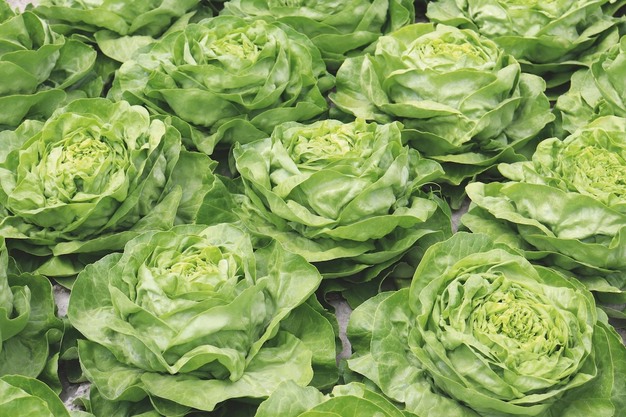 © Bejo Francis lettuce
Bremia, which is constantly changing, soil-borne diseases, viruses and the vagaries of the weather have a major impact on selection priorities. "Flexibility is becoming a key issue for a species as sensitive as lettuce," according to the company, which is also working on criteria related to harvesting and mechanization. "The development of strong natural resistances, particularly against Bremia, Fusarium races and Nasanovia, is an essential pillar of our strategy," explains Andrej Jurković, regional crop manager Europe at Bejo. "These genetic resistances enable us to reduce chemical inputs while maintaining stable yields and optimum quality." This approach is fully in line with the growing restrictions on plant protection products and the healthy food trend, in which lettuce has a key role to play.
For more information:
Léna Communier
Bejo
[email protected]