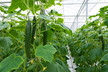
Few people realize it, but intensive agriculture in the 21st century isn't sustained solely by fertilizers, precision irrigation, and climate-controlled greenhouses. Behind the scenes of fruits and vegetables produced under plastic, wood, and steel, there's a group of invisible workers who decide the shape, size, and even the flavor of the produce. We're talking about the... stingless bees like MeliponaInsects native to Brazil that, in recent years, have begun migrating from the forests to agricultural greenhouses with a single objective: pollinate better than the human hand..
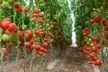
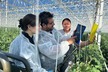
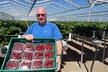
In the south and southeast of the country, especially in producing regions of strawberry (Fragaria × ananassa) e tomato (Solanum lycopersicum)Researchers have been testing the controlled introduction of these bees into protected systems, with solid results. In experiments conducted by institutions such as Embrapa Temperate Climate, UFV and USP/ESALQ, average gains of were observed 12% a 20% It improves productivity and fruit set, as well as sensory and commercial qualities of the fruit. Something simple, but it changes everything: A bee entering the flower at the right moment makes a difference in the producer's pocket..
Although not exotic crops for the consumer, strawberries and tomatoes share a particularity: the degree of fruit formation depends on the quality of pollination. In strawberries, for example, each small "grain" present in the floral receptacle is an achene, and Perfect fruit set depends on the fertilization of as many of them as possible.
Read more at CPG