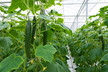
J. Huete Greenhouses constantly analyze how the greenhouses perform when they reach full production. That's why, when a client shares real results, they listen carefully. In this case, a tomato grower in Spain—with many years of experience and impeccable technical management—shared a particularly relevant observation: in two greenhouses that were virtually identical in structure, orientation, management, and growing conditions, the only differentiating factor was the presence of a double layer of inflated plastic in one of them. The result leaves no room for doubt: that module produced approximately 20% more than the greenhouse with a single layer of plastic.
The increased yield has a clear technical explanation. The double pressurized layer creates an air chamber that acts as an excellent thermal insulator. This barrier reduces nighttime heat loss and moderates temperature fluctuations throughout the day. As a result, the crop avoids stress from excessively low or high temperatures, maintaining a more stable and suitable environment for critical processes such as flowering, fruit set, and fruit development. Furthermore, by maintaining a more stable temperature, the producer can reduce the use of heating systems or corrective climate interventions, resulting in better energy efficiency.
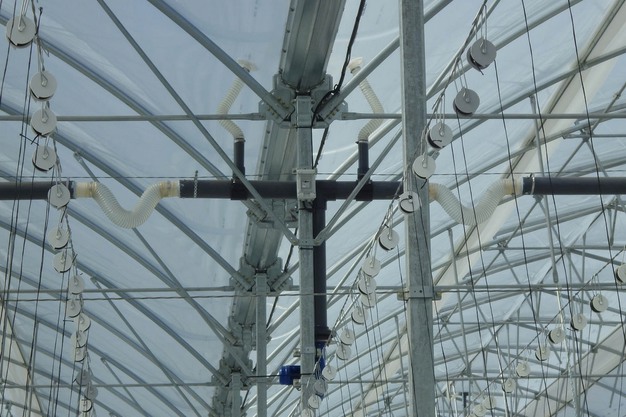 © J. Huete Greenhouses, SL
The impact of the double layer is also evident in humidity management, one of the most critical factors for tomatoes. By minimizing outward radiation, condensation on the inner surface of the plastic is naturally reduced, thus decreasing the amount of water dripping onto the plants. This reduces the risk of fungal diseases and allows the crop to remain healthier and more uniform. Furthermore, an environment with less free humidity promotes a more homogeneous microclimate throughout the plant canopy, resulting in more balanced growth and superior fruit quality.
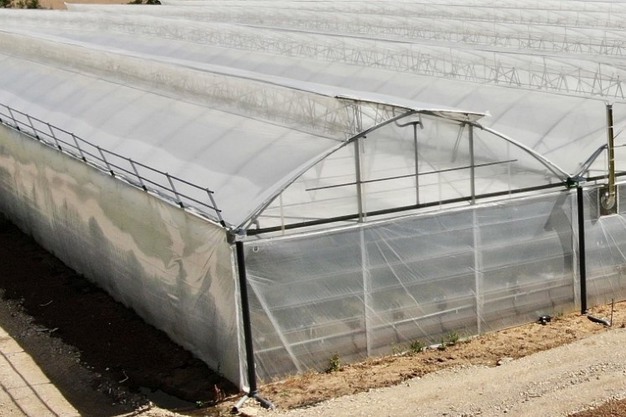 © J. Huete Greenhouses, SL
Another positive effect highly valued by customers is the thermal consistency during peak radiation hours. The double layer acts as a buffer, preventing sudden spikes in internal temperature. This facilitates the operation of ventilation and recirculation systems, allowing them to function more efficiently and maintain a constant airflow without significant adjustments. A more balanced internal climate contributes to more stable photosynthesis, regulated transpiration, and a reduction in hot spots that negatively impact final productivity. The data obtained by this farmer confirms something that is beeing seen with increasing frequency: double-layer greenhouses are not just an add-on, but a real tool for increasing productivity and improving climate stability in protected crops. For growers seeking reliability, energy efficiency, and better yields per square meter, this solution becomes a strategic option with a tangible return.
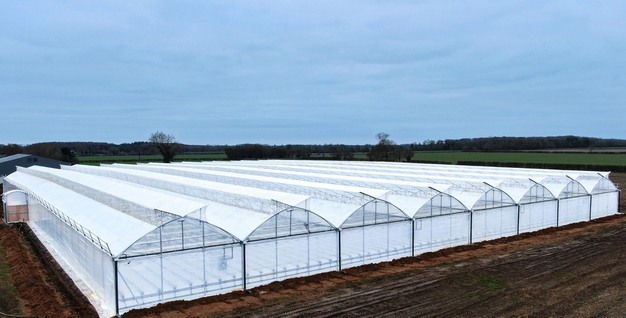 © J. Huete Greenhouses, SL
J. Huete Greenhouses guide each client through the technical decisions that impact their project's performance. They conduct comparative analyses, assess the local climate, and analyze the specific needs of each crop to determine if double-layer greenhouses are the most suitable option. The commitment is to design greenhouses that maximize productive potential and help our clients achieve consistent results. If you would like to explore this technology for your farm, they would be happy to advise you.
For more information:
J. Huete Greenhouses
[email protected]
www.jhuete.com