In Honi Saidan village, Pul-e-Alam district of Logar Province, a group of women, many of them widows, have found a new way to support their families.
Each woman received a package of seeds along with training on planting, watering and managing crop cycles. They grow cucumber and sweet capsicum using the seeds received, and most have since expanded by sourcing additional vegetable seeds from local markets, which they cultivate in their greenhouses. These crops feed their families, and they sell the surplus, creating a new stream of income.
This initiative supports women-headed households with improving their livelihoods. "We were already tailoring to survive," said Amina, one of the participants. "Now with the greenhouse, we can also grow food, eat better and sell the rest."
Built from climate-smart, low-cost materials, the greenhouses are designed for small plots and can withstand even harsh weather conditions. The drip irrigation system reduces water use and boosts efficiency, crucial in water-scarce areas, where every drop counts.
Another important aspect of the initiative is the formation of Common Interest Groups (CIGs), a single-purpose group formed at the village level. Several women from the same village meet occasionally in one of the members' homes to discuss their progress, share challenges and exchange knowledge on greenhouse management. These meetings provide mutual support and strengthen community bonds.
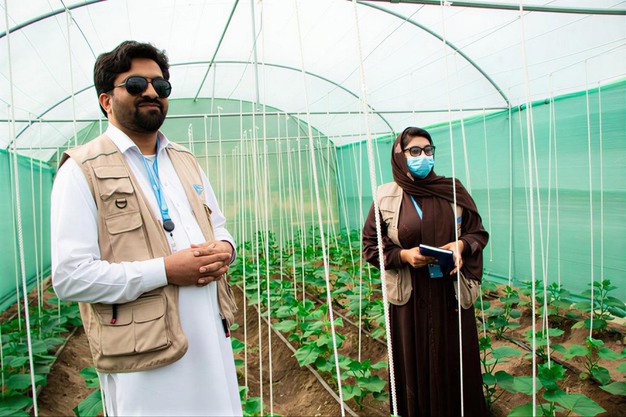 © Special Trust Fund for Afghanistan/Mohammad Omar Kamal
Zahra (not real name), one of the women, now manages a demonstration greenhouse that serves as a model for others in the village. Her work is encouraging more women in the community to explore home-based food production as a pathway to greater independence.
Despite growing restrictions on women's participation in many areas of public life, agriculture remains one of the few viable livelihood pathways still available to women in Afghanistan. This initiative offers more than just food and income; it opens doors to economic participation, climate resilience and renewed confidence. Sustaining and expanding targeted support like this is essential to continue delivering direct, tangible benefits to women across the country.
"We have hope," Zahra said simply. "This is something we can do with our hands, right here at home."