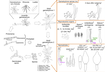
Male sterility (MS), the inability of a plant to produce functional pollen, is a valuable trait in agriculture, particularly for creating hybrid seeds with improved characteristics like higher yield and disease resistance. Hybridization relies on controlled pollination, and male-sterile plants simplify this process by preventing self-pollination. However, understanding the genetic mechanisms controlling pollen development and release – specifically anther dehiscence, the opening of the anther to release pollen – remains a challenge, especially in crops like peppers. A recent study by researchers at Sichuan Agricultural University and Tsinghua University investigated the role of a C2H2 family transcription factor, named CaZAT5, in regulating these processes in peppers.
Transcription factors are proteins that control the expression of genes, essentially acting as on/off switches for specific traits. The research team found that CaZAT5 generally represses gene activity and is most active during pepper flower development. To understand its function, they manipulated CaZAT5 levels in plants. When they reduced CaZAT5 levels (silencing the gene), pepper plants flowered earlier than normal. Conversely, increasing CaZAT5 levels (overexpression, or OE, in tomato plants) delayed flowering. This suggests CaZAT5 plays a role in timing the flowering process.
Beyond flowering time, CaZAT5 significantly impacted vegetative growth and, crucially, pollen development. Overexpression of CaZAT5 negatively regulated vegetative growth by reducing the expression of CaSOC1, a gene known to influence flowering. More importantly, it affected pollen morphology – the shape and structure of pollen grains – and their viability, or ability to function. Histological examination of anthers from tomato plants with increased CaZAT5 levels revealed abnormalities in cell division (mitosis), leading to pollen grains that were either abnormally large or shrunken. This disruption ultimately inhibited anther dehiscence, preventing the proper release of pollen.
The consequences of these disruptions were clear: reduced pollen viability and inhibited anther dehiscence led to decreased fruit set (the number of fruits that develop after pollination) and a lower overall yield. To pinpoint the specific genes CaZAT5 controls, the researchers performed RNA-seq analysis on the anthers of plants with high CaZAT5 levels. This revealed that CaZAT5 suppressed genes involved in cell wall loosening, degradation, and secondary wall thickening – processes essential for anther opening and pollen release.
Further investigation using techniques like DAP-seq (DNA affinity purification sequencing), yeast one-hybrid assays (Y1H), dual-luciferase assays, and electrophoretic mobility shift assays (EMSA) identified specific genes directly regulated by CaZAT5. These included genes involved in cell wall degradation (CaPG and CaBG4) and an expansin gene (CaExpA13). Expansins are enzymes that break down cell wall components, facilitating growth and loosening, which is vital for anther dehiscence.
These findings build upon previous research into the genetic control of pollen development in tomatoes. For example, studies on the ms32 mutant identified a gene, Solyc01g081100, as a potential regulator of pollen and tapetum development. The ms32 mutant exhibits dysfunctional pollen and tapetum, and downregulation of genes involved in these processes. While ms32 focuses on the early stages of pollen and tapetum formation, the current study sheds light on the later stages of anther dehiscence and pollen release, suggesting a complex network of genes regulates male fertility.
Additionally, research on SlHB8 demonstrated the role of a HD-Zip III transcription factor in tapetum degradation and pollen wall development. SlHB8 negatively regulates pollen activity, and impacts programmed cell death within the tapetum. The CaZAT5 study complements this research by revealing another transcription factor involved in regulating pollen development, albeit with a different mechanism – repression of cell wall modification genes rather than promoting tapetum degradation.
The study also touches on the work identifying SlPIF3 as a regulator of pollen development, specifically affecting auxin and sugar homeostasis. This highlights the interconnectedness of hormone signaling and pollen development, a theme that CaZAT5's regulation of flowering time and vegetative growth further supports.
In essence, the researchers demonstrated that CaZAT5 modulates flowering time, pollen development, and anther dehiscence by controlling the expression of genes related to flowering and cell wall loosening and degradation. This provides a more comprehensive understanding of the potential role of CaZAT5 in regulating male fertility in peppers and contributes to the growing body of knowledge about the complex genetic mechanisms underlying plant reproduction.
Source: Natural Science News