The light-limiting winter months in high latitude countries pose problems for producers trying to produce fresh fruit and vegetables year-round. Supplemental electric lighting is usually required. However, utilizing electric lighting, even high-efficacy LED fixtures, results in high electricity costs.
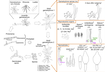
Long photoperiod of low intensity lighting (up to 24 h (hours) is a promising strategy to meet plants' light requirement (daily light integral (DLI)), which can be implemented in many countries as utility companies incentivize the use of low-cost, off-peak electricity use. In this study, researchers compared a conventional 16 h white light treatment (Control) to a 24 h treatment which involved a change from white light during the day to blue light at night at a reduced photosynthetic photon flux density (PPFD; dynamic) and a static light treatment which kept both spectrum and PPFD constant for 24 h on 2 cherry tomato cultivars. In addition, each treatment also had a low blue (10%) and high blue (30%) variation. All treatments had the same DLI. It was found that the 24 h dynamic lighting strategies had similar maximum quantum yield of photosystem II (Fv/Fm) as the 16 h controls while that at 24 h static treatments were drastically reduced. In addition, the Fv/Fm value from the 24 h static treatment with high blue content was the lowest among all treatments indicating high blue light may be detrimental during a static 24 h photoperiod. In addition, the overall yield from the 24 h dynamic treatments were similar to the 16 h conventional treatments while the 24 h static treatments were significantly lower. Taken together, these results indicated that a 24 h dynamic light treatment is an effective strategy to mitigate photoperiodic injury and the light recipe with low blue light is more energy-efficient.
Compared to the control 16 h photoperiod, a 24 h dynamic lighting strategy can reduce electricity costs due to lower nighttime prices, electricity monthly delivery charge and capital cost, due to reduced peak light intensity and fixture installation while maintaining fruit yield and quality in greenhouse cherry production.
Lanoue, J., St. Louis, S., Little, C., Soltaninejad, S., Seguin, R., & Hao, X.. Dynamic lighting can mitigate photoperiodic injury in greenhouse tomatoes. *Frontiers in Plant Science*, Section Crop and Product Physiology. [Original Research article]. [Part of the Research Topic: Controlled Environment Agriculture Goes Dynamic].
Source: Frontiers in Plant Science