The response of chile peppers (Capsicum spp.) to different irrigation systems is an important factor affecting crop yield, quality parameters, and resistance to soil-borne diseases. The choice of irrigation method significantly impacts fruit size development, water-use efficiency, and overall crop production.
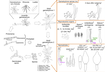
Research shows that proper irrigation management can increase yields, improve physiological response, and reduce the incidence of Phytophthora blight, a major disease caused by Phytophthora capsici. However, over-irrigation directly harms chile peppers, causing waterlogging, which, together with increasing weed spreads, creates favorable conditions for P. capsici to grow and increase disease susceptibility. Conversely, under-irrigation can induce drought stress that weakens chile peppers and increases their vulnerability to P. capsici. Although the pathogen cannot thrive or spread in dry soils, severely stressed plants become highly susceptible when even brief periods of moisture occur—such as from dew, light rainfall, or a short irrigation event—creating favorable conditions for infection. In addition, lack of proper timing and insufficient irrigation frequency adversely affect fruit quality characteristics, including capsaicin content (spiciness), color, and nutrient composition. Water stress is extremely damaging because it can reduce the biomass of plants, delay flowering, reduce fruit size, or cause significant yield loss. Considering the importance of water management in chile pepper cultivation and optimizing irrigation systems is important to ensure high-quality crops. Disease susceptibility and effects of different irrigation systems, including inadequate irrigation and excessive irrigation, have been reviewed, with an emphasis on the impact of these irrigation methods on plant growth and yield quality, and on Phytophthora blight.
This review aims to provide insights into the importance of irrigation management for sustainable and effective chile pepper production and disease control.
Anifowoshe, Y.O.; Lozada, D.; Sanogo, S.; Djaman, K. Water Management in Chile Peppers and Plant Susceptibility to Phytophthora capsici and Development of Phytophthora Blight: A Review. Agronomy 2025, 15, 2819. https://doi.org/10.3390/agronomy15122819
Source: MDPI