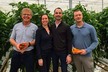
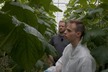
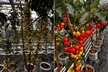
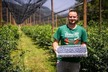
In Marupe, one of Latvia's largest and most modern greenhouses, temperatures reach +25°C with high humidity, while outside it is just above freezing. The facility, led by Maruta Kravale of Mārupes siltumnīcas, grows cucumbers, tomatoes, and lettuce year-round. From flower to ripe fruit, tomatoes take exactly 60 days to mature, requiring daily management of light, heat, and nutrition.
The cooperative Baltijas dārzeņi, uniting 16 farms, produces around 20,000 tons of vegetables annually, supplying over 90% of Latvia's greenhouse-grown produce. Despite this, domestic vegetables make up less than 10% of the national market. Rising energy costs, among the highest in Europe, limit profitability, and some greenhouses have gone bankrupt in recent years.
The Marupe greenhouse spans 6.5 hectares. Crops receive precise nutrition in stone wool cubes, and cucumber vines are guided along cables to maximize space. Additional artificial lighting is used in winter, costing around €200,000 per month. The facility's largest investment, €3.5 million for lettuce production, received €1.5 million in support, highlighting the capital-intensive nature of modern greenhouses.
EU regulations restrict direct area-based subsidies for greenhouses, except where crops grow in soil. In 2025, 23 hectares of tomatoes and cucumbers qualified for direct payments because they were grown in soil connected to the subsoil. Investment support is available for energy efficiency upgrades, covering 30–50% of costs, with a maximum of €3 million over five years. Building a modern greenhouse on one hectare costs €6–10 million, making public support essential.
The sector faces challenges beyond investment. Stable local demand is critical, especially in schools and public institutions, but the exact proportion of locally grown vegetables used remains unclear.
With turnover per hectare reaching €1 million and returns of up to seven euros for every invested euro, greenhouse cultivation remains one of the most profitable sectors in Latvian agriculture. Producers emphasize that clear, long-term state policies are key to ensuring national food security and revitalizing the greenhouse industry.
Source: rus.jauns.lv