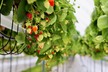
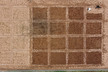
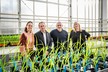
Yeongcheon City announced that it will hold a completion ceremony for the Subtropical Smart Farm Complex on December 12, and will open the entire research greenhouse to the public for this occasion. The Subtropical Smart Farm Complex was established in Bukan-myeon, Banjeong-ri, covering an area of 39,531 square meters, to proactively respond to rapidly changing climate conditions and to secure competitiveness in future agriculture.
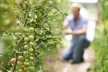
Equipped with a smart farm environmental control system, the complex is conducting pilot cultivation and research on more than 20 types of subtropical crops, including apple mango, banana, and papaya, and also provides training programs for workforce development.
Normally operated as a research facility with restricted public access, the complex will be fully opened to the public on the day of the completion ceremony. This will offer students an opportunity for hands-on natural science experiences outside of school, and provide farmers with a chance to diversify their income and acquire future-oriented farming technologies. In particular, the completion ceremony will take place inside the warm greenhouse where subtropical crops grow, allowing attendees to experience the bright future of Yeongcheon agriculture in a unique atmosphere, away from the winter cold.
Mayor Choi Kimoon emphasized, "The establishment of the Subtropical Smart Farm Complex goes beyond simply expanding facilities. It will serve as a seed of innovation that broadens the future educational environment for our children and helps farmers find new opportunities amid the climate crisis."
Read more at The Asia Business Daily