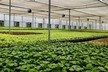
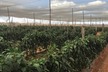
As daylight shortens and temperatures drop, winter marks one of the most technically demanding periods for greenhouse operators. At Great Lakes Greenhouses, Head Grower Juan Manuel Lopez describes this time as a shift not only in environmental conditions but in mindset. "The days are short and darker, the temperature drops, and the plants start telling exactly what they need if you know how to listen," he says.
Managing a fully lit winter crop
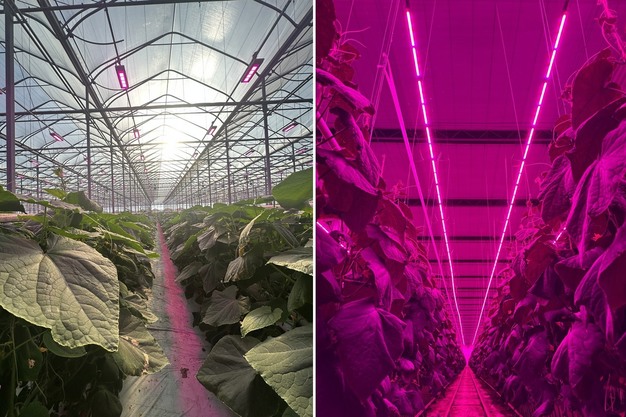
With the facility running fully under supplemental lighting in winter, precision becomes essential. He explains that every lighting decision is treated as a strategic input rather than a background setting. "We watch electricity prices almost as closely as we watch the plants. When the market gives us a good window, we push light. When prices spike, we shift the strategy and focus more on moisture levels, pipe temperatures, and root health."
For him, the most important technique is not a specific technology, but awareness: "Every morning you walk in and ask yourself: 'What does the plant want today?'"
 © Great Lakes
Although the holiday season is associated with a slowdown for many industries, for greenhouse operators it is the opposite. "Christmas season is one of the most intense moments of the year; not because of the holidays, but because of everything that has to line up before it arrives," Juan notes. Great Lakes Greenhouses manages 16 crops simultaneously, each in a different greenhouse with its own heating, lighting, and energy capacities.
Coordinating seedings, chop-outs, plantings, and harvest starts creates what Lopez calls "a bit like playing Tetris." But even with detailed schedules, he emphasizes leaving space for the unexpected: weather fluctuations, price volatility, and shifts in crop behavior all require growers to stay alert. "December teaches you that great growing is part planning… and part intuition."
This year brought significant energy-market unpredictability, forcing the team to rethink traditional assumptions. "Running a fully lit farm when electricity prices were unpredictable made us become smarter, more flexible, more connected with our data and with each other."
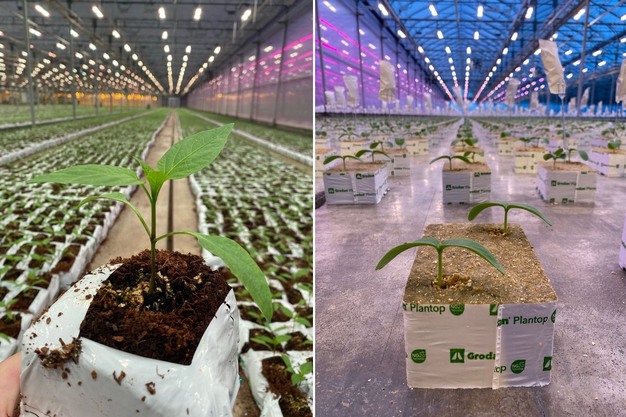 © Great Lakes
A whole new year
He sees next year as an opportunity to refine the systems the team has been building under pressure. "We've learned how to navigate energy markets, how to use light more intelligently, and how to coordinate complex crop cycles across the entire farm. Now comes the fun part: improving, refining, elevating everything."
He anticipates advancements not only in efficiency but in creativity around energy use and crop steering, supported by a team he describes as highly attentive and adaptive.
Balancing crop needs with market realities
Through the darkest months, lighting demand peaks at the same time electricity prices tend to rise. "The biggest challenge this season is balancing what the crop needs with what the electricity market allows," Juan explains. The team adjusts lighting in real time, evaluates root-zone and moisture strategies, and coordinates crop cycles to maintain consistency across the operation.
Success, he says, comes from detailed planning paired with rapid communication: "It's long-term planning combined with day-to-day awareness."
"Greenhouse growing is discipline blended with the courage to adjust when the plant asks for something different. And for me, that blend is what makes this profession more of a lifestyle than a job."
For more information:
Great Lakes Greenhouses
Juan Manuel Lopez, Head Grower
[email protected]
greatlakesg.com