The UK's controlled-environment horticulture sector is raising concerns about a planned 94 per cent increase in electricity network charges due in April 2026. Industry groups state that the increase could place many protected-crop businesses at risk and contribute to further food-price inflation.
A core issue is the sector's ongoing exclusion from the Energy Intensive Industries exemption scheme. The current Standard Industrial Classification codes prevent protected horticulture from qualifying for support, despite the sector operating with energy demands similar to several manufacturing categories that receive a 90 per cent discount. Industry representatives argue that including controlled-environment horticulture in the scheme would provide some relief, though high energy costs would remain a challenge.
Electricity costs in the UK remain higher than those in several European countries. Industrial prices currently average £56/MWh, compared with £34–£38/MWh in France, Germany, and the Netherlands. According to growers, these conditions reduce the competitiveness of UK horticulture relative to producers in mainland Europe.
 © British Tomato Growers’ Association
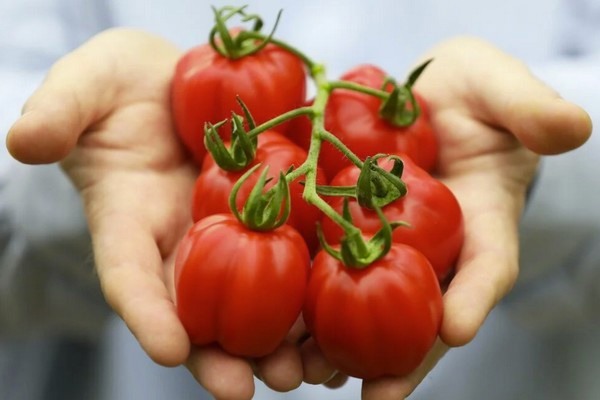
For large glasshouse businesses, the planned rise in standing charges could add close to £1 million to annual operating expenses. Producers of year-round crops such as tomatoes, cucumbers, and peppers report that they work on narrow margins and cannot easily absorb such an increase. "This is not just a business challenge; it's an existential crisis," said Simon Conway, Chair of the British Tomato Growers Association. He added that the increase "threatens the viability of glasshouse growers, unless they can pass the costs downstream, which in turn could drive further food inflation in 2026".
Industry groups note that the sector's energy profile has been recognised elsewhere, including its inclusion in the Industrial Energy Transformation Fund in 2023. They argue that a similar acknowledgement should apply to eligibility for the EII exemption.
Protected horticulture contributes more than £250 million in tomatoes, cucumbers, and peppers, and supports over 3,000 jobs. Many sites operate combined heat and power systems that can export electricity to the grid, reducing transmission losses and supporting local supply.
Stakeholders warn that without intervention, the wider effects could include higher food prices, reduced competitiveness for UK growers, fewer future investments, and lower domestic production capacity. They call on the government to revise eligibility rules for the EII exemption scheme to reflect the sector's energy use and to help maintain stability in UK food production.
 © British Tomato Growers’ Association For more information:
Nathalie Key
British Tomato Growers' Association
Tel: +44 (0) 7462 892287
Email: [email protected]
www.britishtomatoes.co.uk