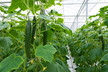
In Tambov, Russia, domestic bumblebee breeding is emerging as a component of the agricultural sector. The initiative is primarily aimed at supplying pollinators for greenhouse vegetable production, particularly for crops like tomatoes that require insect pollination.
Previously, Russian growers relied on imported bumblebees. Transporting live insects from abroad poses logistical challenges and often results in high mortality rates. Domestic production has been gradually expanding, with companies establishing year-round breeding programs.
One operational farm in the region is run by Biosfera. The facility raises the buff-tailed bumblebee (Bombus terrestris), which is suited for greenhouse pollination. Breeding follows a cyclical process: fertilized queens are placed in controlled hives, larvae emerge after about 20 days, and colonies mature over approximately three months before being sent to commercial greenhouses. Temperature, humidity, and lighting are regulated, and red light is used to reduce stress in the insects.
The farm employs around 30 people. Pollen is sourced from local beekeepers, and colonies are supplied to greenhouse operations and some fruit orchards. Although bumblebee breeding is not officially recognized as a separate sector in Russia's agricultural classification, demand from greenhouses continues to grow, and domestic producers are increasingly able to meet regional needs.
The practice remains technically complex, requiring controlled conditions and careful monitoring of insect health, but it offers a local alternative to imported pollinators.
Source: pritambovie.ru