For decades, Almeria has been known for having the largest concentration of greenhouses on the planet. Aerial images of the Poniente area, with white greenhouse covers visible even from space, helped cement the reputation of the so called sea of plastic as a symbol of intensive agriculture and technological innovation.
However, recent satellite data points to a shift in the global map. Although the province remains the largest protected horticultural area in Europe, it no longer holds the number one position worldwide. The leading area is now Weifang, in the Chinese province of Shandong, where crops under cover far exceed the surface area of Almeria.
Across the Poniente, Nijar and the Bajo Andarax, Almeria has more than 33,500 hectares of greenhouses. This production network has transformed the provincial economy and positioned the region as a European benchmark in vegetable exports, biological control and agricultural technology.
In comparison, Weifang, known in China as the vegetable capital, has more than 80,000 hectares under cover, more than double the greenhouse area of Almeria. The rapid expansion of protected agriculture in this region during the past two decades has supported a massive domestic market while accelerating the modernization of Chinese agriculture.
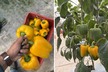
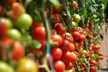
The difference between both regions goes beyond surface area and includes crop diversification. In Almeria, greenhouse production focuses mainly on export oriented vegetables such as tomatoes, peppers, cucumbers, zucchini, eggplant, melon and watermelon. In Weifang, these crops coexist with others for local consumption. Growers also produce strawberries, table grapes, kiwi, blueberries and tropical fruit such as pitaya, along with new production models including hydroponic systems, hybrid solar structures and semi vertical designs that optimize space and resources.
Expansion of protected cultivation is not limited to China. Countries like Turkey, South Korea and Morocco have significantly increased their greenhouse areas to gain competitiveness in strategic markets. Even so, no region in Europe matches the production density that Almeria continues to maintain. The province's strength lies in a mature cooperative model, advanced technical development and the ability to export year round.
The leadership of Almeria's agricultural sector is no longer measured only in hectares. Productivity, innovation, sustainability and quality are now key indicators. The province has been a pioneer in efficient water use, biological pest control and continuous adaptation to the demands of the European market.
Source: diariodealmeria.es