A new study from the University of Granada suggests that chemically treated coffee grounds could be used to biofortify cucumbers with key minerals and reduce toxic heavy metals. The research, published in Chemosphere, indicates that the practice does not pose health risks and could support circular economy approaches in intensive agriculture.
Researchers developed a process that transforms spent coffee grounds, a global waste stream of an estimated six to eight million tonnes every year, into effective fertilizers. By using techniques such as sodium hydroxide activation and hydrothermal carbonization, the coffee waste is turned into bio chelates. These compounds incorporate iron and zinc, two essential elements in the human diet.
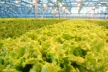
The fertilizers were tested on Dutch cucumbers grown under greenhouse conditions and compared against plants treated with commercial fertilizers and untreated plants. The study showed a reduction in toxic metals such as cadmium, mercury and arsenic, while lead levels remained within regulated limits. Cucumbers grown with the coffee based bio chelates displayed higher levels of iron and zinc, still within food safety standards.
Researchers monitored multiple harvests. Although arsenic and cadmium levels rose slightly in the later harvests, they never approached dangerous thresholds. Daily intake analysis also confirmed the safety of consuming the enriched cucumbers.
Beyond improving nutritional value and reducing heavy metal contamination, repurposing coffee grounds can help lower dependence on industrial fertilizers and reduce environmental impact. The team now aims to optimize application by converting the bio chelates into pellets that dissolve during irrigation to make the approach easier to adopt in commercial greenhouses.
The work is considered pioneering, taking coffee grounds beyond their previous applications in laboratory research or water treatment. According to the researchers, the same approach may be applicable to other vegetables, creating opportunities for greenhouse production in coffee consuming regions such as the Mediterranean.
Turning a waste product into an agricultural input points to a more sustainable production model and a more efficient value chain, from coffee to fresh food.
Source: canal.ugr.es