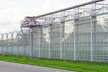
Greenhouse films are slowly but surely catching on in India, says Shaildip Wagh from Essen Multipack Limited, a specialty film manufacturer. "The greenhouse film market in India is estimated at around 6,000 metric tons, and expected to expand as more farmers adopt protected cultivation. The market is growing at about 10% every year, with imported greenhouse films holding a negligible share at present."
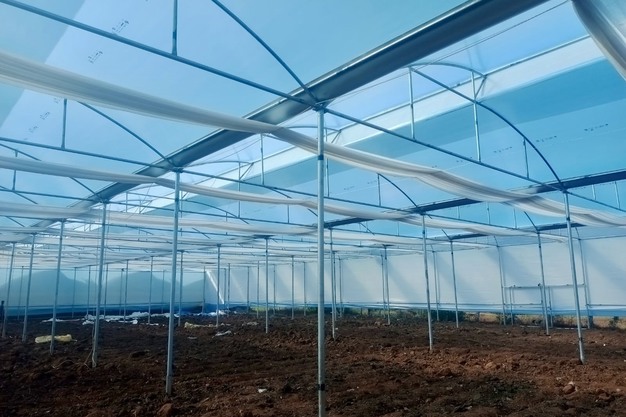
Wagh points out that greenhouses are popular in cities like Pune, Bengaluru, and Jaipur. "At first, greenhouses were adopted for flowers like roses and carnations. But now, more growers are gradually growing produce like cucumbers, bell peppers, lettuce and even berries in greenhouses," he notes. Most common use cases for greenhouse films include protecting crops from rain, wind, harsh sunlight, as well as temperature and humidity fluctuations, Wagh shares. "Thanks to that, farmers have managed better quality and bigger yields, with some even doubling their incomes by growing all year round."
 © Essen Multipack Limited
However, getting farmers to understand the technicalities of greenhouse films continues to pose a challenge. "There's an Indian standard called IS 15827:2019 for greenhouse films, but many farmers are not aware of important features like haze, diffusion, anti-dust, anti-drip, or infrared heat reflection. Choosing the right film is hard without that knowledge. We hope the government will make compliance to this standard mandatory soon," he explains while further pointing out, "Right now, greenhouses and greenhouse films come with an 18% GST. It would be great if this could be lowered to 5%, like it is for micro-irrigation systems or nets, as it could really help farmers with cash flow and boost the market."
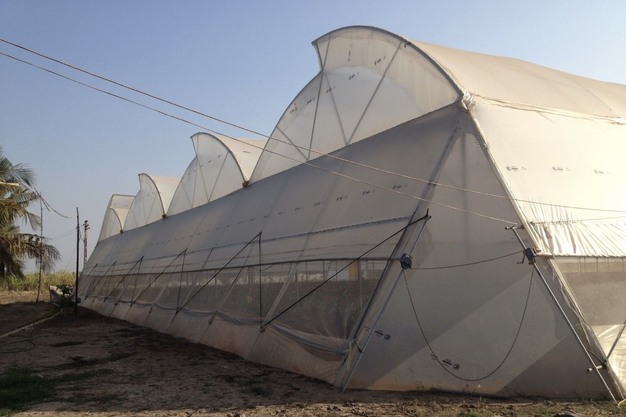
New developments are ongoing at Essen Multipack India with a focus to develop IR reflective cooling films especially for hot, sub-tropical areas, Wagh shared. "The summer heat inside greenhouses can get really intense, damaging the crops and lowering yields. Our films aim to offer an affordable solution to keep daytime temperatures lower, ensuring better crop quality."
 © Essen Multipack Limited
While most business happens in India and nearby Nepal and Bhutan, Wagh thinks this market will keep growing. "We expect the greenhouse film market to grow at about 15% annually over the next few years. The more support protected cultivation gets from the government, the better for everyone involved," Wagh concludes.
For more information:
Shaildip Wagh
Essen Multipack Limited
Tel: +91 97 12 915 474
Email: [email protected]
www.essenpoly.com