In a sector as competitive as the fruit and vegetable sector, some companies are opting for product diversification in order to differentiate themselves from the rest. This race is leading to the emergence of innovative vegetables, such as Adora tomatoes, which are only grown by three companies in Spain.
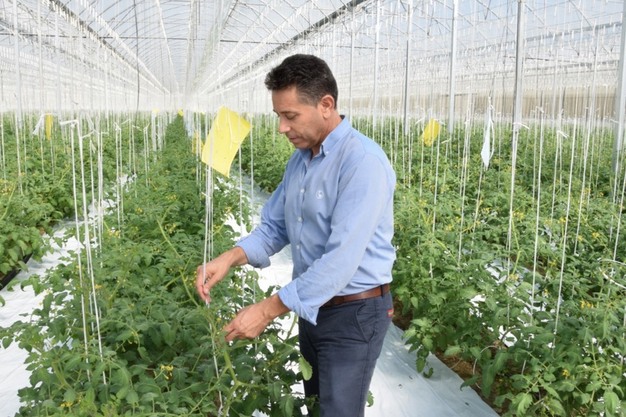
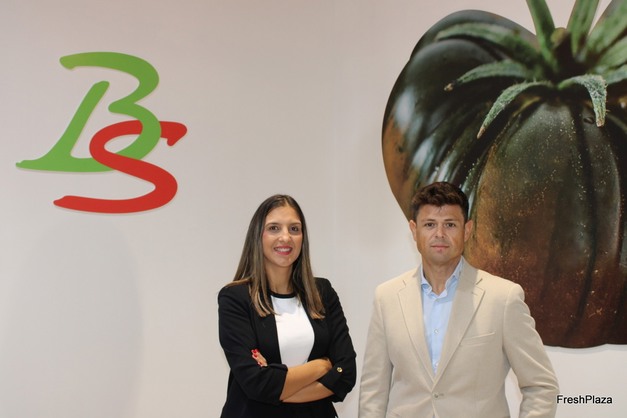
In 2008, some members of a cooperative from Nijar decided to go organic. And so Biosabor was born. "We started with tomatoes, since their cultivation is common in the Níjar area, but we didn't want just any tomato; we wanted something with a flavor that would make a difference," says Francisco Belmonte, president of Biosabor.
 © BioSabor
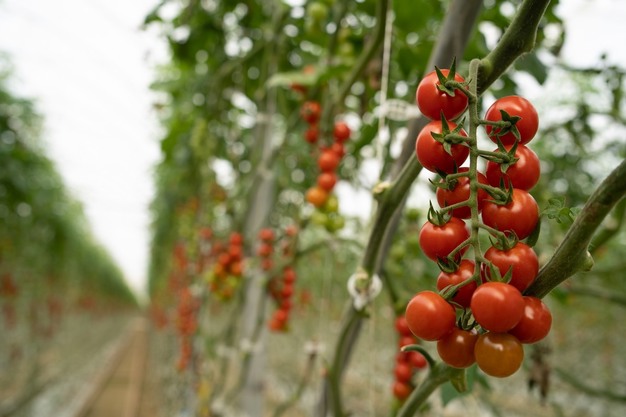
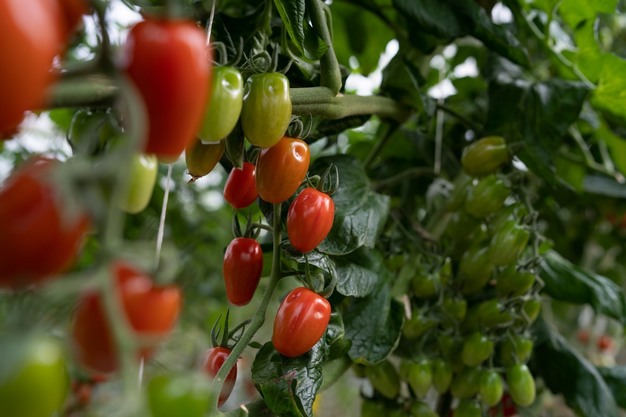
"After five years working with vine tomatoes, we started with cherry and with the famous Angelle, which made us popular throughout Europe thanks to an exclusivity deal we had for its production. Now it is grown even in Morocco, but that original Angelle flavor was what really helped us stand out," says the president.
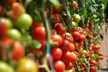
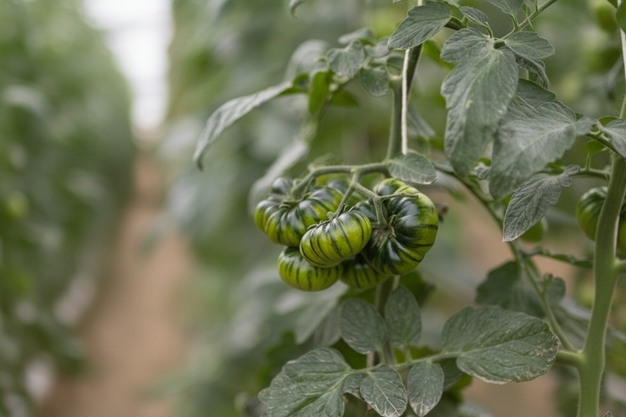
"Back in 2018, we launched the European project for the brown ribbed tomato Adora, in which only the three most important companies in the sector were involved. The Adora is undoubtedly the best; with more than 7° Brix, it is an extraordinary tomato. Its dark color makes it unmistakable, and we have invested a lot in educating consumers so that they understand that, in a salad, a greenish tomato can be much better than a red one," he says.
 © BioSabor
According to Belmonte, "the Adora also requires a lot of technique in its production. Because of its complexity and color, at the beginning it was difficult to sell it and for it to be recognized as a high-value tomato. It took us five years to manage to grow it to perfection, following very precise techniques. The Adora is not an easy product; however, it is extraordinary."
The president of Biosabor says, "We don't produce large volumes, but we do produce high-value vegetables. We handle 40 million kilos a year, which translates into 75 million euros in turnover. Our presentations also stand out for their quality. The work of cutting the tomato stalks to the exact size is done manually, so 50% of our costs actually correspond to labor. That is why there are 500 of us here. Last year we reached 120 million packs, all in small formats to facilitate consumer access."
 © BioSabor
Regarding the rugose virus, which particularly affects tomatoes, Belmonte says: "The threat is still there. Fortunately, we now have more resistant varieties, but we've had four years with significant losses."
As for the supposed similarity between organic and conventional produce today, Belmonte says that "there is a big difference between them, because with conventional crops you are allowed to use tools to control pests that you cannot use with organic crops."
"For organic growers, production costs are twice as high as they were ten years ago. This makes it very difficult to invest in organic crops, which explains the remarkable migration to conventional cultivation," says the president.
 © BioSabor
As far as competition with third countries is concerned, Belmonte says: "Their development starts from the primary sector, in other words, growing fruit and vegetables. It is impossible to compete with them in terms of price or phytosanitary treatments. Moreover, organic crops have more problems with viruses and pests than conventional crops, and this causes greater losses."
As far as his prospects for this season are concerned, the president says: "The weather has been good so far, but we remain watchful because of the threat of whitefly and red spider mites. The European Union is not providing us with many tools to combat these problems. I don't know if they are aware of how the agricultural sector is being affected by this, and how it's also giving an edge to imports from third countries."
"In the tomato sector, we are feeling a lot of pressure from Morocco and Turkey. We can't compete with them in terms of labor costs, which is why we have opted for projects such as the Adora tomato in order to stand out. Other growers are forced to compete directly with basic products against these countries; an unfair fight, because the conditions are not the same," says the president.
 © Lydia González
For more information:
Francisco Belmonte
Biosabor
Tel..: +34 950 700 100
Tel.: +34 690 13 11 49
[email protected]
www.biosabor.com