In a nation grappling with climate change, food insecurity, and a youth unemployment crisis, Ghana's school gardens hold transformative potential. These student-run plots are not just patches of dirt; they are living classrooms where children learn science by testing soil, math by measuring yields, and the value of sustainability by growing or rearing their own food.
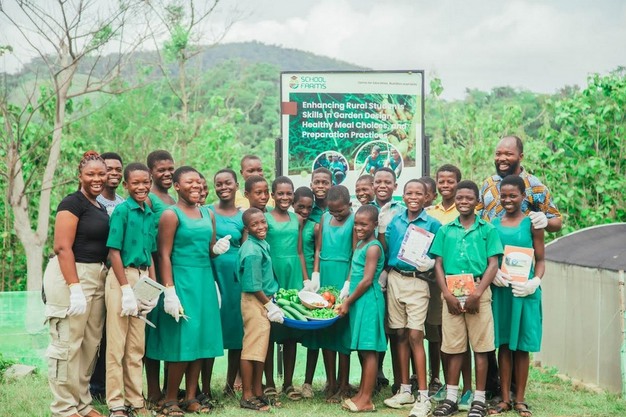 © School Farms
School gardens have long been a symbol of promise in Ghana. In the 1970s, General I.K. Acheampong's Operation Feed Yourself (OFY) programme rallied students to grow crops like sugarcane, envisioning schools as engines of economic self-reliance. The vision was bold, but execution faltered. Inadequate supplies, poor storage, and economic turmoil led to wasted harvests and persistent food shortages. Successive governments have since championed school gardens as solutions to hunger and disengaged youth, yet each effort has stumbled over the same hurdles: insufficient resources, political favoritism, and a failure to shift perceptions of farming as punishment rather than opportunity.
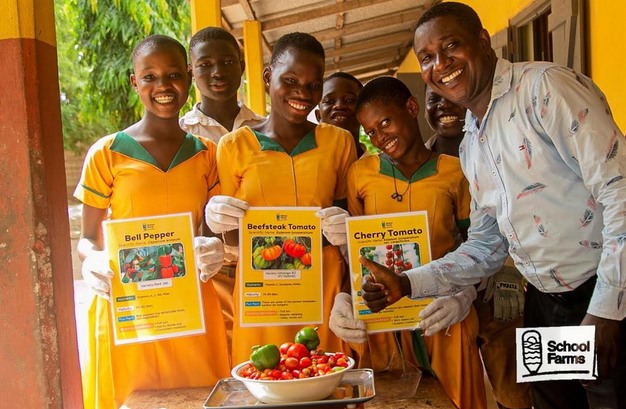 © School Farms
A beacon of hope emerged in 2010 with the founding of the Reach Out to Future Leaders Movement (ROFLM) by environmental scientist Alfred Godwin Adjabeng. In 2011, its School Farms introduced community-driven gardens in schools such as Savelugu Senior High and St. Agnes Senior High in the Upper West Region, cultivating maize and sorghum that reduced meal costs by 40%. Building on this impact, the initiative expanded to institutions like Mawuli School and Heritage Academy, and in 2022, ROFLM rebranded as School Farms. Today, it champions climate-smart practices including greenhouse farming, mushroom cultivation, animal rearing, and aquaculture, while fostering entrepreneurship and nutrition through its Nourish Lab. Its story demonstrates the transformative power of vision put into action.
Read more at Citi NewsRoom