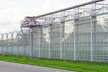
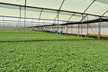
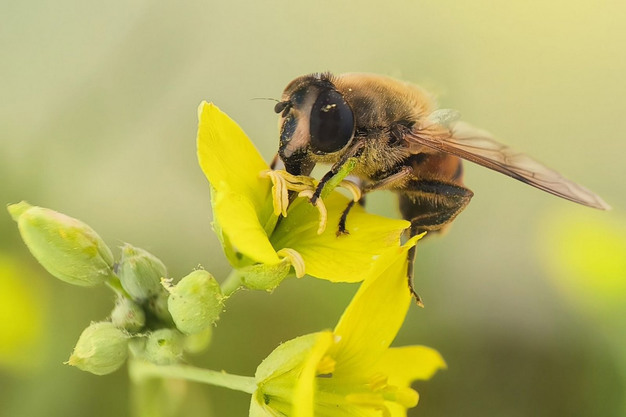
Pollinators are a key component of healthy ecosystems. Beyond their ecological importance, they also play a crucial social and economic role, as around 80% of crops and wild plants depend on them. For this reason, in a global context where the diversity of natural pollinators is declining and dependence on a limited number of managed species is becoming more critical, Polyfly has developed an innovative proposal: large-scale breeding of hoverflies as efficient and versatile pollinators for various agricultural crops.
 © Polyfly
"The effectiveness of these insects as pollinators has been known for many years. As early as the 1970s, Japan proposed using them for crop pollination, much like bees and bumblebees are used today," explains Marc Vaez-Oliveira, co-founder of Polyfly. "However, until now, no one had managed to breed them on a large scale for commercial use."
"At Polyfly, we've filled that gap through more than eight years of research and development, with support from institutions such as CDTI and ENISA. After completing our first validation phase and operating an 800-square-meter pilot plant for over five years, we closed a funding round with institutional investors, including the EIC – European Innovation Council. This financing has enabled us to launch the world's first industrial-scale hoverfly production plant. Beyond scaling up and automating production, it will also serve as a blueprint to replicate the model in other markets or production regions."
 © Polyfly
Agronomic advantages of hoverflies
"Founded in 2017 in Almería, Polyfly was born from the collaboration between Marc Vaez-Oliveira, an agri-food engineer passionate about the role of insects in sustainable food production, and Yelitza Velásquez, a PhD in entomology with a strong drive for applied entomology and scientific entrepreneurship."
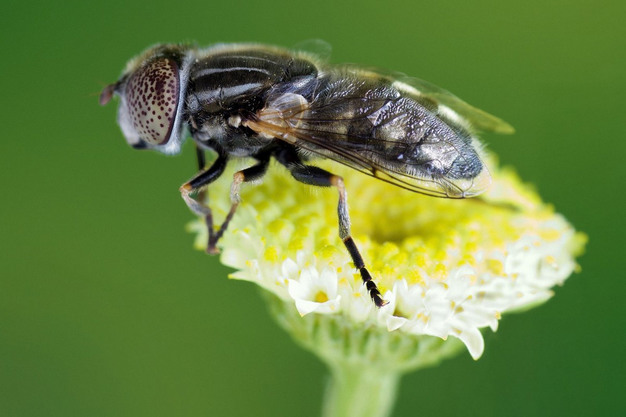
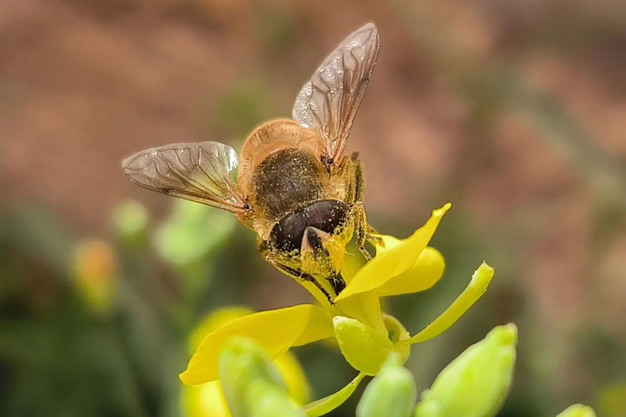
"Bees and bumblebees, which began to be used commercially in the 1980s for tomato pollination in greenhouses, are two of the best-known pollinators. However, they don't meet the needs of all crops. Hoverflies, also known as flower flies, offer some very interesting advantages over traditional pollinators. Unlike bees and bumblebees, they can work under low-light or artificial-light conditions and pose no sting risk, making them easier to manage in enclosed environments such as greenhouses."
 © Polyfly
"They are also naturally present in regions where other pollinator species are not available, making them a viable option for areas with limited pollinator supply, such as Australia, South Africa, California, or Chile."
"And most importantly," Marc adds, "in some crops they simply pollinate better, allowing for higher-quality harvests, whether in fruit production, such as avocados, or in seed crops for high-value vegetables."
"It's worth emphasizing that hoverflies are not meant to replace bees or bumblebees," he notes, "but rather to serve as a complementary and sustainable natural pollination solution in crops where they can help improve yields. At the trade shows we attend, they attract a lot of interest from growers around the world."
 © PolyflyFor more information:
Polylfy
Avd. de la Innovación, 15 Ed.Pitágoras 3ª, 75
Science and Technology Park of Almeria (PITA)
04131 Almeria (Spain)
Tel.: +34 950 106 739
[email protected]
https://www.polyfly.es/