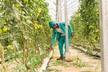
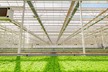
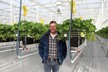
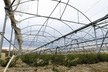
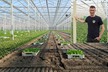
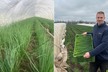
The Lien Ket Like Farm Cooperative in Lien Ket village, Phu Son commune, Lam Ha, specializes in cultivating bio vegetables such as tomatoes and bell peppers following organic standards, avoiding pesticides to ensure safety for both farmers and consumers. The cooperative, directed by Ms. Nguyen Thi Luong, was established in 2021 as a collaborative effort among local farmers to market their large-scale vegetable production. Initially, greenhouses built for drying coffee beans triggered the idea of growing vegetables, maximizing the utility of these structures.
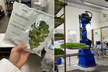
Comprising nine official members, the cooperative plants their primary crops in greenhouses with a commitment to environmental preservation. They employ Biopro technology, releasing natural enemies to control garden pests like red spiders and thrips, rather than using inorganic fertilizers or pesticides. Technical support from Funo Fertilizer Company and collaboration with Dalat Hasfarm Company ensures the application of biological pest control methods, like deploying over 20 types of natural enemies and using insect traps and sulfur lamps to maintain clean, pesticide-free environments.
This approach has facilitated the cooperative in supplying tons of clean vegetables monthly, particularly to the demanding Japanese market, which requires zero pesticide residues in imports. The cooperative's approach also integrates seasonal cycles, as they clear greenhouses during coffee harvests and recycle organic waste into fertilizers for their crops. This sustainable model underscores an agricultural production system that maximizes both profit and environmental stewardship, contributing towards a future of green and sustainable agriculture.
Read more at Vietnam.Vn