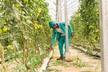
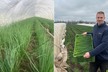
Seed to Table has achieved good results in their tomato cultivation, producing an average of 900 pounds per week, with the heaviest yield reaching 1,500 pounds. Their success stems from careful cultivation techniques, including grafting and controlled environmental conditions inside greenhouses, necessary for the harsh High Desert climate. The tomato team, managed by Jenn Gardner, focuses on selecting resilient and disease-resistant varieties like CubaLibre, Marnero, and Rebelski, which are sold at local markets and supplied to restaurants and food banks.
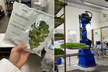
The farming process begins long before outdoor planting is safe, involving strategic variety selection based on prior successes and preferences. To enhance plant resilience, they graft tomato plants using varieties such as Dr. Ox and Estamino for their robust root systems. The intricate grafting process requires precision, teamwork, and well-coordinated steps, beginning with seeding and carefully grafting tops (scions) to root stocks. The process demands a controlled environment to ensure plant survival and involves a meticulous eight-day post-grafting care regimen to ensure the plants fuse successfully.
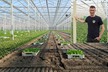
The introduction of a dedicated greenhouse space for grafting and growing represents a significant advancement from their humble beginnings, where the initial attempts took place in the founder Audrey Tehan's home. Providing ample space and facilities has enhanced production efficiency and plant care, as highlighted by Seed to Table's Associate Director, Julie Forbes. Forbes expressed appreciation for the advanced scientific techniques and skills applied in the grafting process, emphasizing its role in supplying high-quality tomatoes to the local community.
Read more at The Nugget Newspaper